
Why Ocean & Tropical Art Actually Makes You Feel Calmer | iCanvas
There’s a reason you’ve never looked at a picture of the ocean and felt stressed out. It’s an actual neurological response, and researchers have been studying it for over a decade. The colors, the subject matter, even the level of detail in a painting all play a role in how your brain and body react to what’s on your walls.
We dug into the science behind why ocean and tropical art has such a calming effect, and how one Honolulu-based artist’s work taps into it perfectly.
TL;DR: Why Ocean & Tropical Art Makes You Feel Calmer
- Research shows that even viewing images of water and nature can lower cortisol levels and activate the body’s relaxation response.
- Blue tones specifically trigger the parasympathetic nervous system, slowing heart rate and promoting calm.
- Psychologists call it “blue space” theory, and it applies to the art on your walls, not just the view from your window.
- Honolulu-based artist Faisal Warsani paints hyperrealistic tropical seascapes designed to capture exactly that feeling. And his work just landed on iCanvas.
Why Does Looking at the Ocean Feel So Good?
Most people don’t need convincing that being near water feels good. But the “why” behind it is more concrete than you’d expect – and it goes beyond just liking the color blue.
A major UK study involving over 20,000 participants found that people who live near oceans or other large bodies of water consistently report higher levels of happiness and lower levels of anxiety than those who don’t. Marine biologist Wallace J. Nichols coined a term for the mildly meditative state that water seems to trigger: “Blue Mind.” It’s the neurological shift that happens when proximity to water activates the parasympathetic nervous system – AKA, the part of your brain responsible for rest, recovery, and calm.
The thing is, you don’t have to be physically standing on a beach to get some of that benefit. The research on what happens when you simply look at water, even a picture of it, is where things get really interesting for anyone who spends most of their time indoors.
What Is Blue Space Theory (and Why Does It Matter for Your Walls)?
“Blue space” is a term from environmental psychology. It refers to any visible body of water, ocean, river, lake, even a fountain, that offers restorative psychological effects. Researchers have identified two main frameworks that explain why these environments affect us the way they do:
- Attention Restoration Theory. The basic idea is that water gives your brain what researchers call “soft fascination”. It holds your attention gently, without demanding cognitive effort, which allows your mind to recover from the overstimulation of daily life. Scrolling, notifications, decision fatigue – water is the opposite of all of it.
- Stress Recovery Theory. This focuses on the body’s physiological response. Natural environments, especially water, promote measurable stress recovery: lower blood pressure, reduced cortisol, improved emotional regulation. And research suggests that blue spaces may actually offer stronger stress reduction than green spaces alone, due to the unique sensory qualities of water.
Here’s the part that matters for your living room: that same physiological response isn’t limited to standing on a shoreline. Several studies have found that people who simply watched videos of ocean environments or aquarium feeds experienced notable drops in anxiety and heart rate; no physical proximity to water required. The calming mechanism still fires. It just needs the right visual input.
Can Looking at a Painting of the Ocean Actually Lower Your Stress?
Short answer: yes. Nature art shows up in patient rooms, dental offices, and MRI suites for a reason. Research has consistently shown that patients exposed to nature murals or ceiling-mounted nature scenes report lower anxiety and less pain compared to those staring at blank walls. One study found that just having large nature murals in a dental clinic waiting area was enough to measurably lower patients’ heart rates.
The principle extends beyond clinical settings, too. A University of Michigan study found that 20 minutes of nature experience, even just sitting and looking at a natural scene, was enough to significantly drop cortisol levels. And a 2025 study that monitored brain activity via EEG took it a step further: viewing artworks that depict natural forms produced stress relief comparable to experiencing real landscapes. Not identical, but close enough to matter, especially when you consider that you see the art in your home every single day, not just for a 20-minute session.
That’s the part worth paying attention to. A single nature walk is great. But a piece of ocean art on your wall is a quiet, repeated signal to your nervous system, one that’s working in the background whether you’re consciously looking at it or not.
Meet the Artist Who Paints What Vacation Feels Like

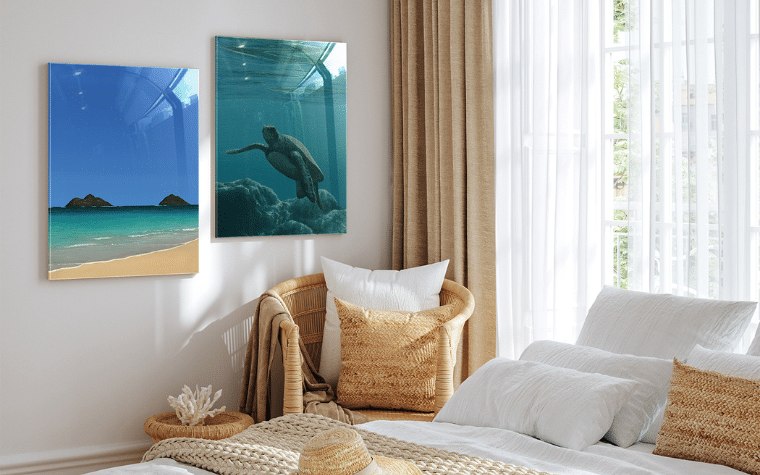
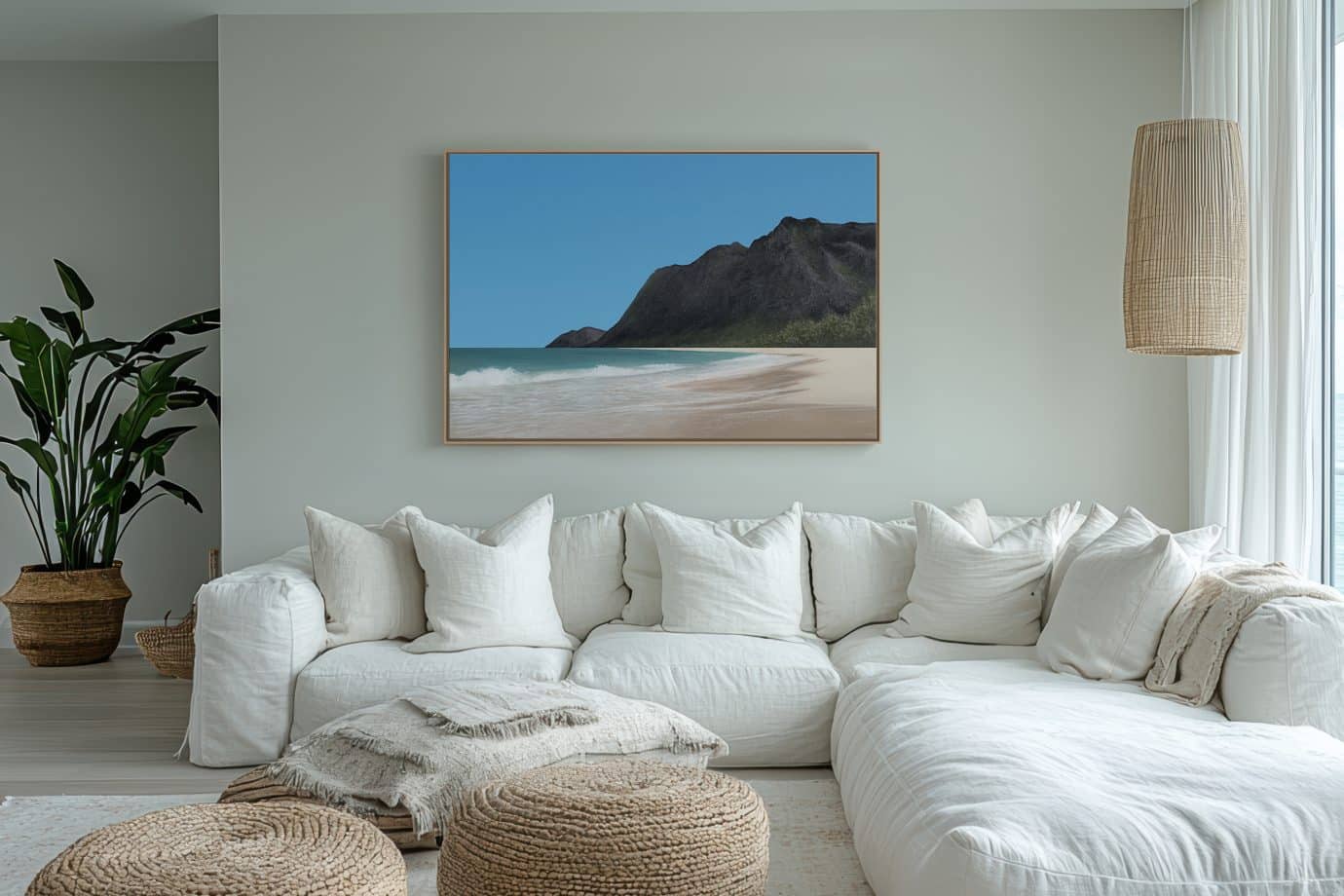
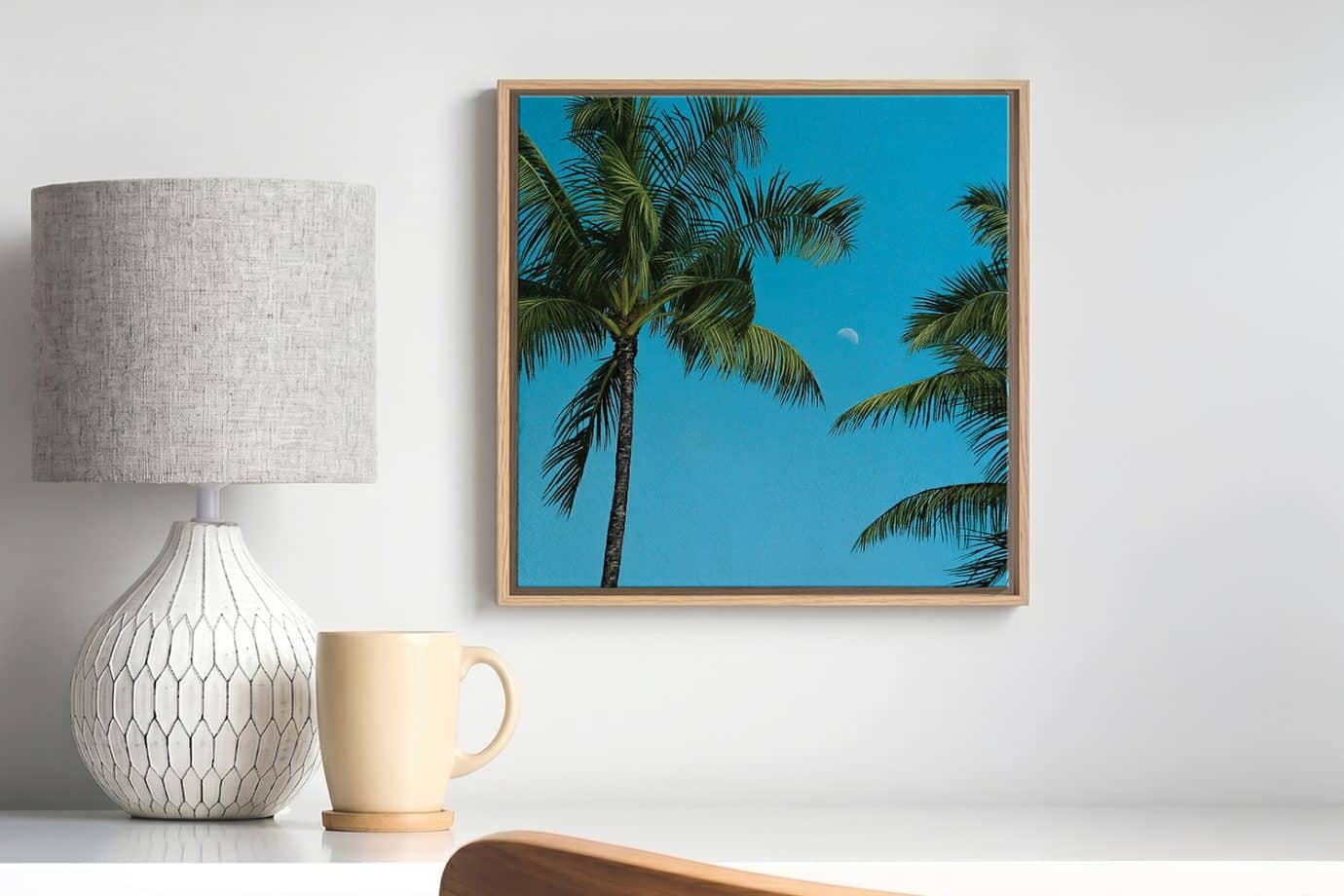
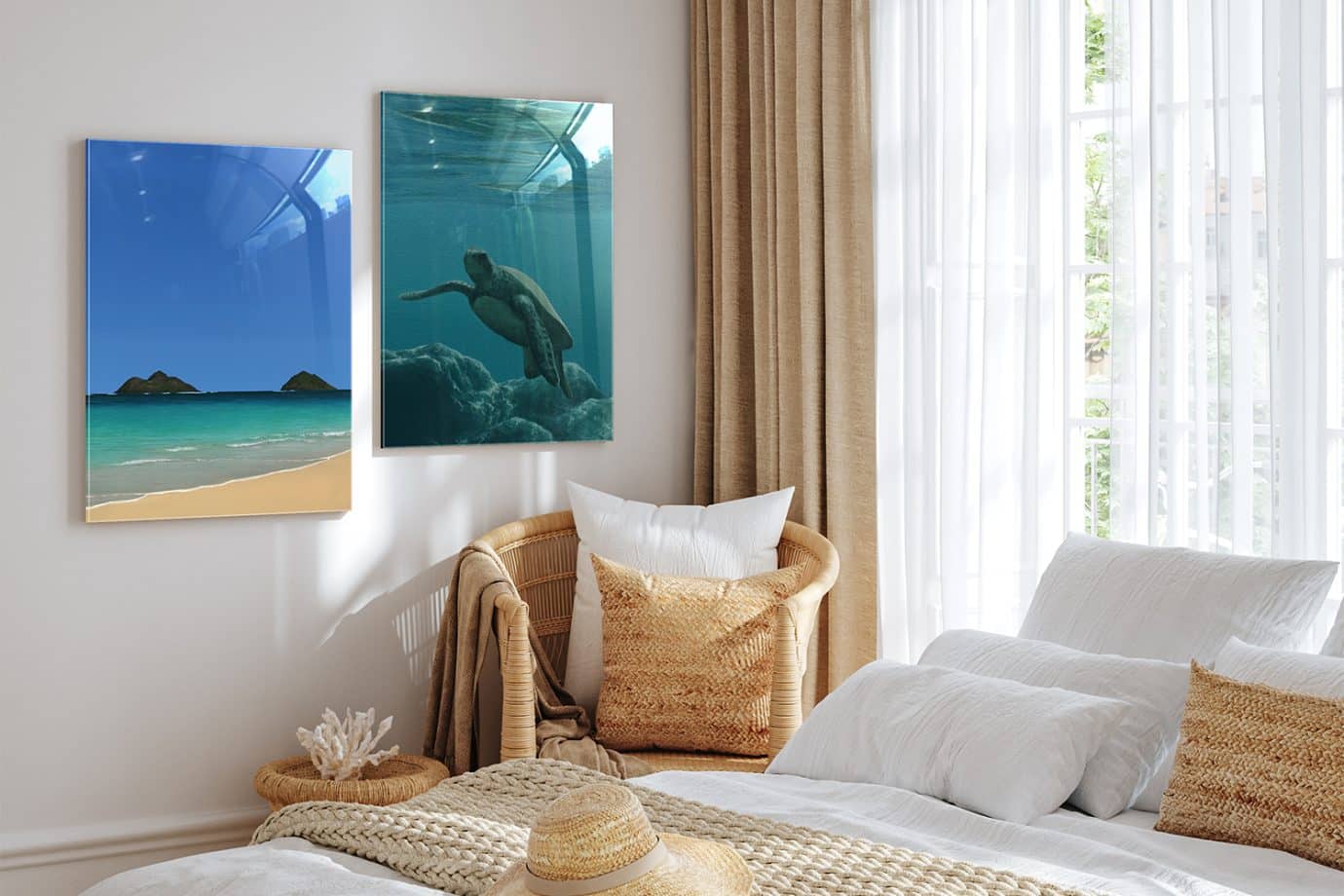
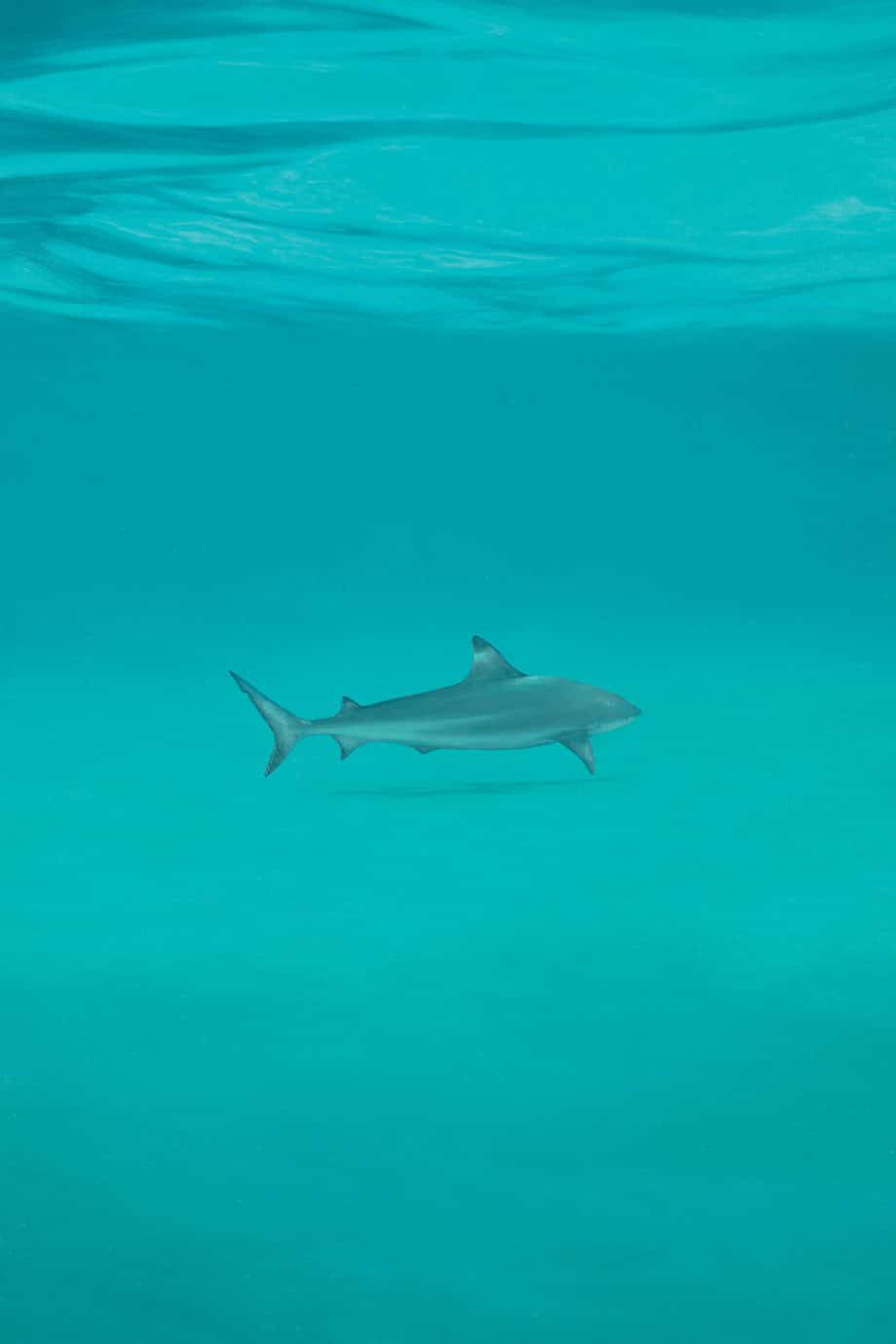
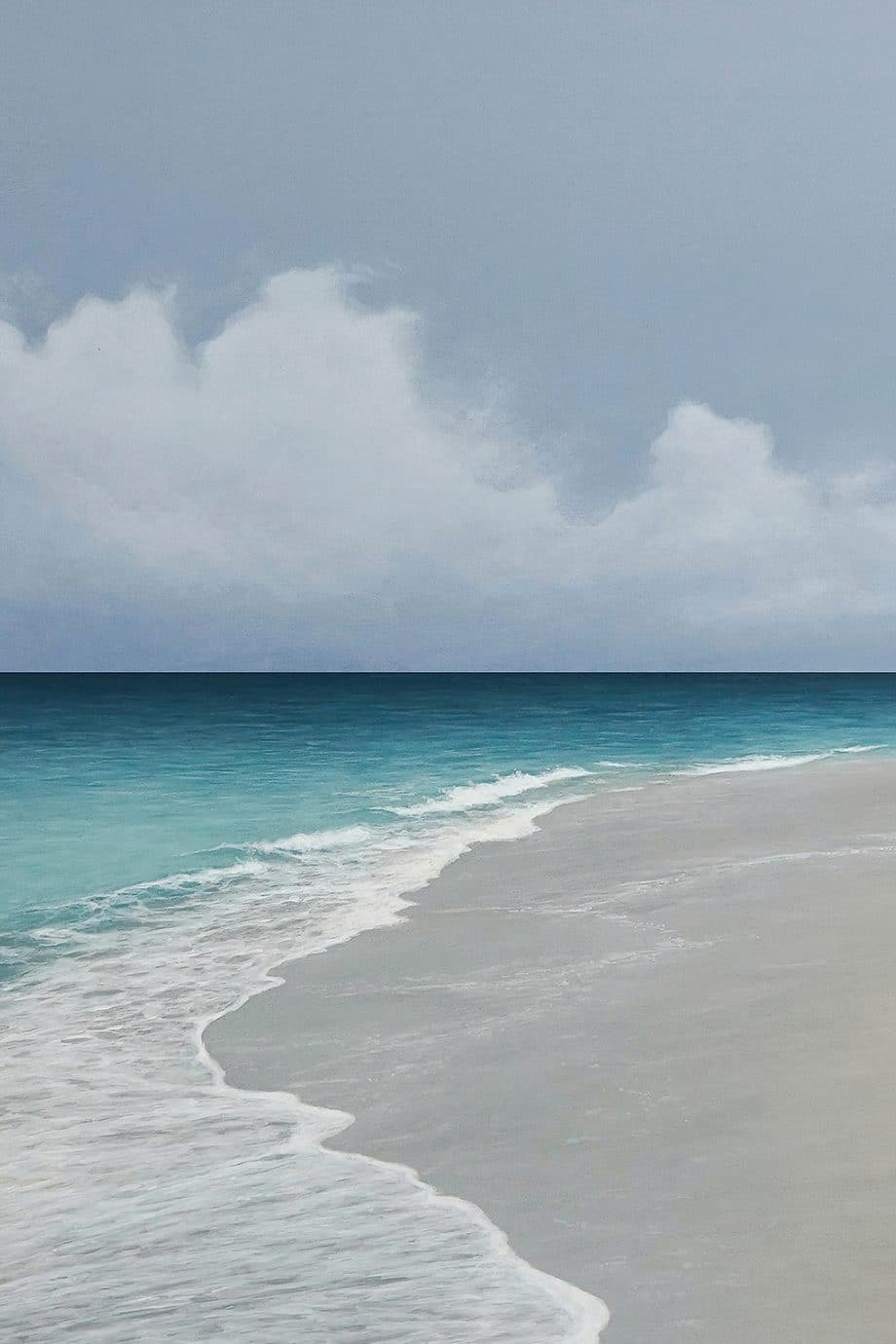
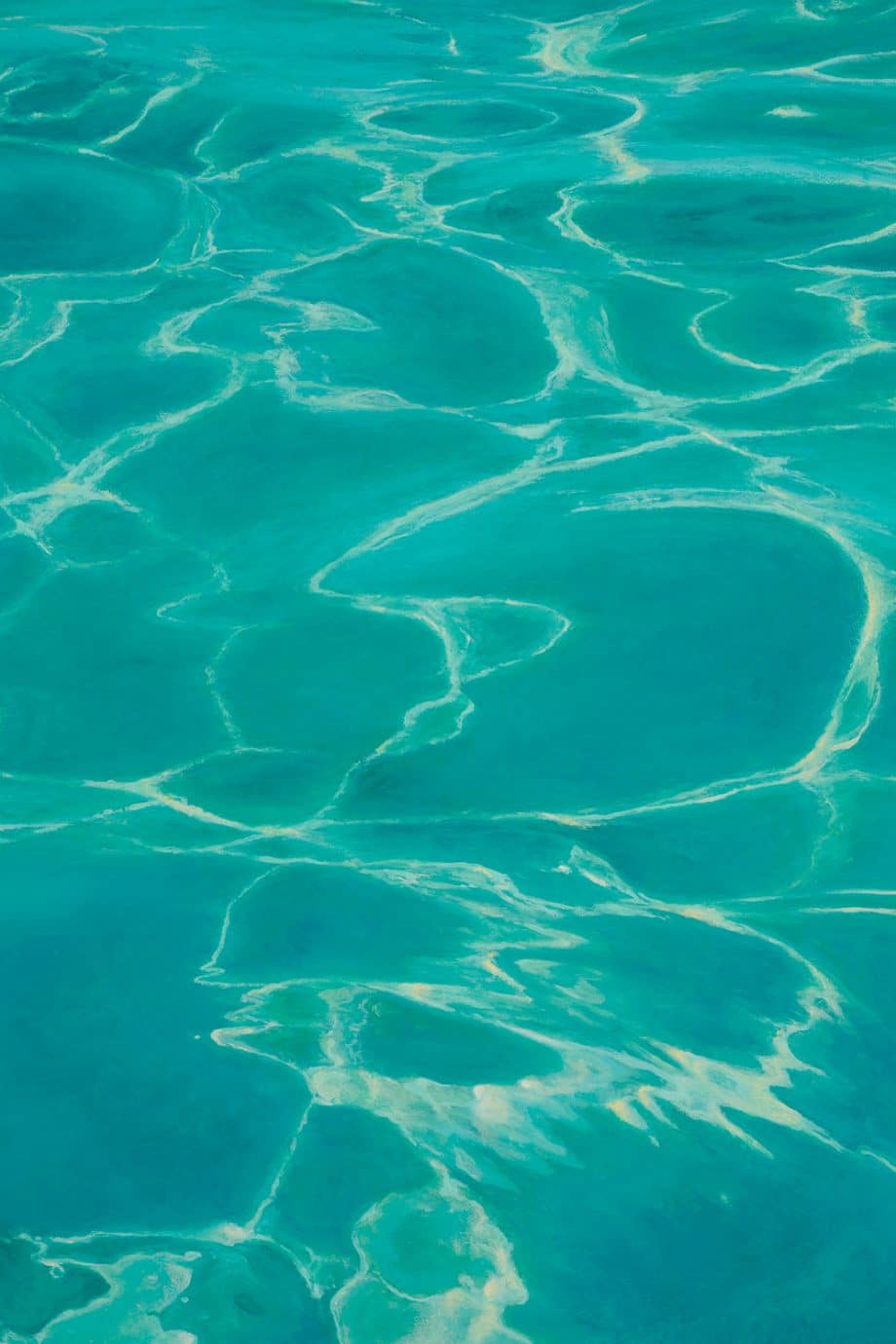
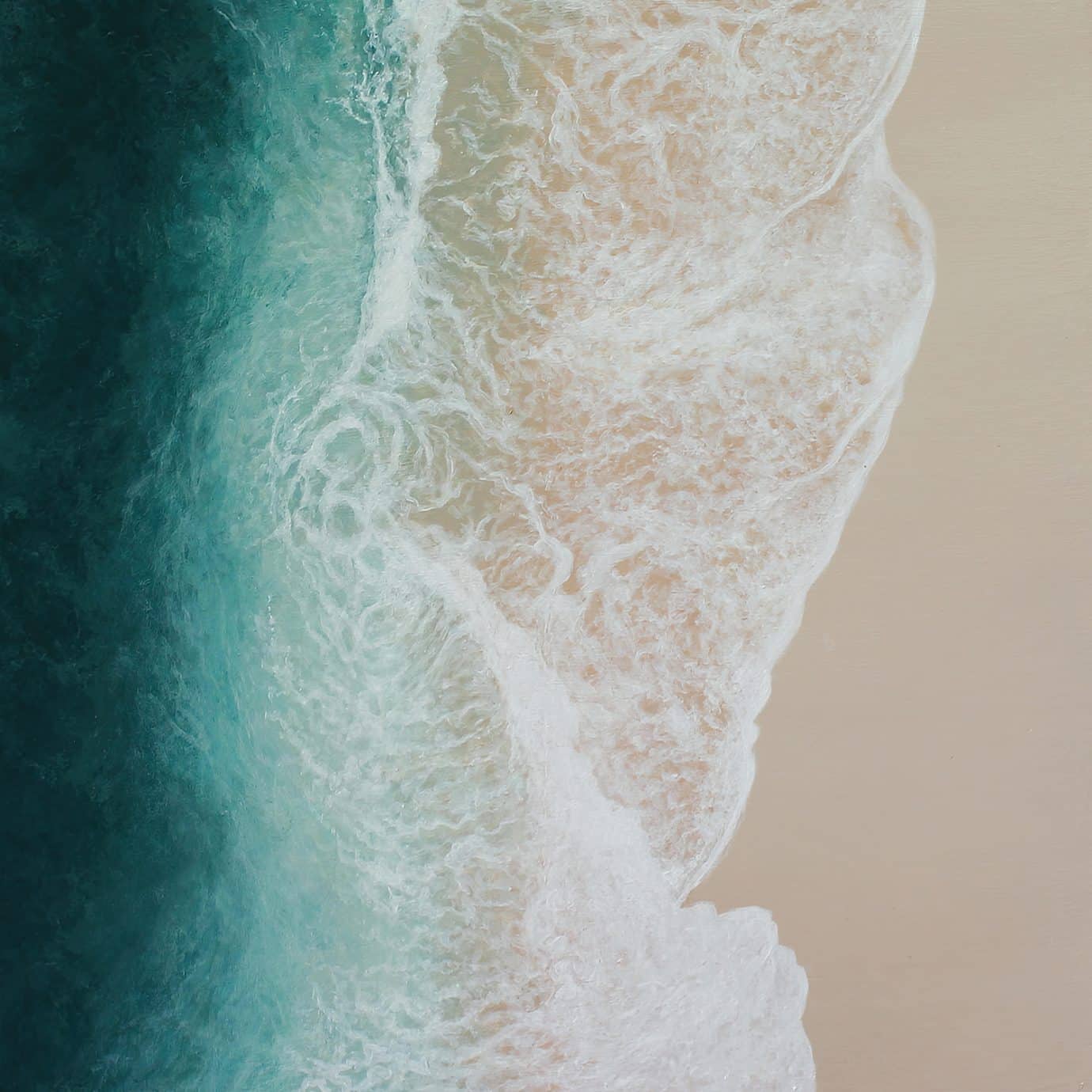
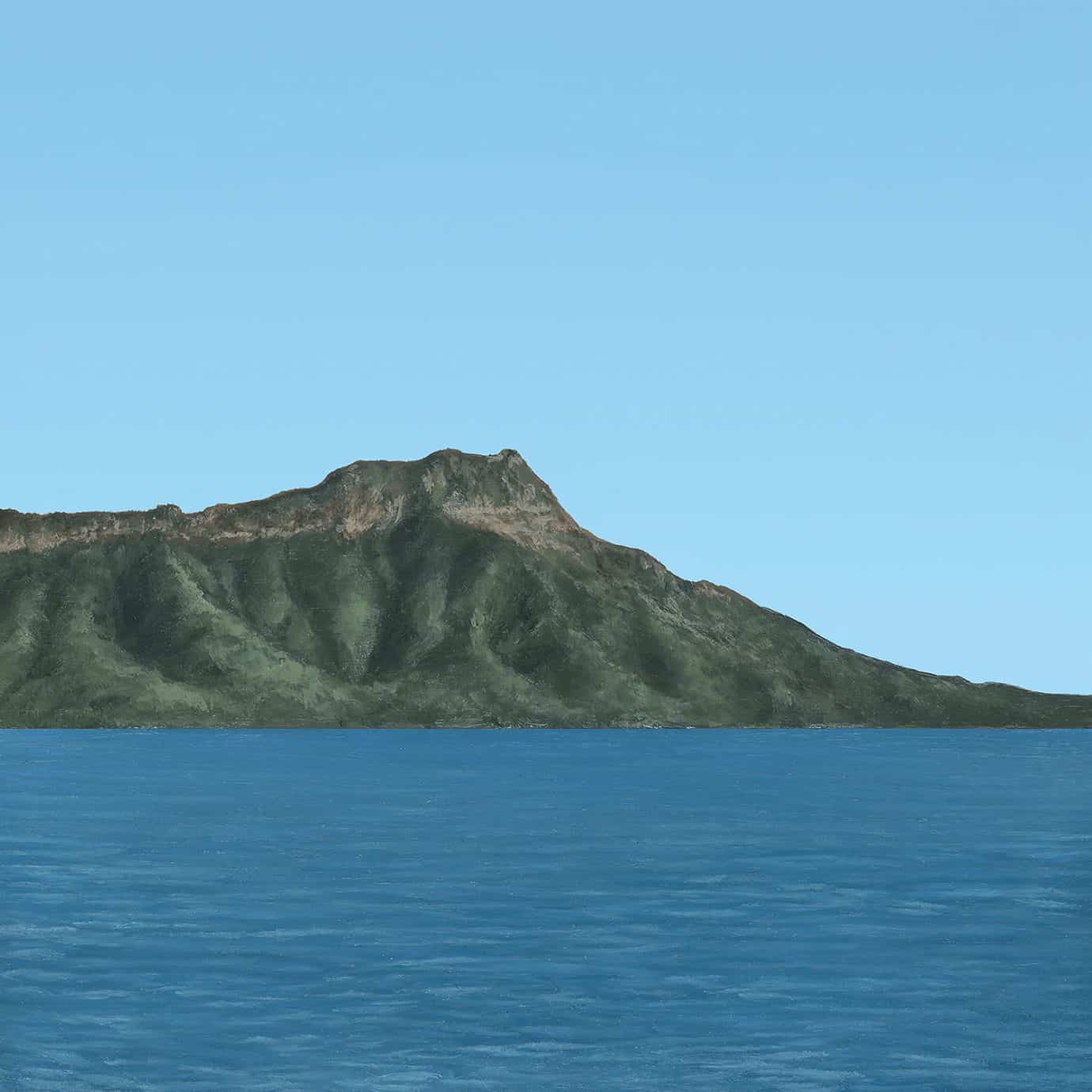
Faisal Warsani’s work is so photorealistic that people may assume they’re looking at a photograph until they notice the brushwork. Turquoise water seen from above, waves catching sunlight, palm trees bending in warm air, and sand that looks like you could feel the heat of it.
What makes Warsani’s paintings especially interesting in the context of everything above is the photorealism. The more immersive a nature representation is, the stronger the restorative response tends to be. A hyperrealistic painting of clear ocean water isn’t processed by the brain the same way an abstract blue canvas is. The detail gives your visual system something to sink into; closer to what researchers call “soft fascination” than simple color association. Your eyes move through the scene the way they’d move through a real one. And your nervous system responds accordingly.
Warsani has built a following of 79K+ on Instagram, shown at galleries across Honolulu and Portland, and held solo exhibitions centered on Hawaiian landscapes and underwater scenes. His work is now available on iCanvas and if you’ve made it this far in this article, you probably already understand why it’s worth looking at.
Bring the Feeling Home
You can browse Faisal Warsani’s full collection on iCanvas here.
Whether you’re drawn to an aerial ocean view for your living room, a tropical scene for your office, or a wave painting for a space that could use a little more calm, his work does what the best art is supposed to do. It changes how the room feels when you walk into it.
FAQ: Why Ocean & Tropical Art Actually Makes You Feel Calmer
▼View the Questions
Does ocean art actually reduce stress?
Yes. Research shows that viewing nature imagery, including ocean scenes, can lower cortisol levels, reduce heart rate, and activate the body’s parasympathetic (rest-and-recovery) nervous system. The effect is smaller than physically being in nature, but it’s measurable and consistent across multiple studies.
What colors are most calming for wall art?
Blue and green are consistently rated the most psychologically calming. Blue activates the parasympathetic nervous system and promotes relaxation, while green triggers a biophilia response – your brain’s built-in positive reaction to natural environments.
What is blue space theory?
Blue space theory is a concept from environmental psychology that describes how visible bodies of water – oceans, lakes, rivers, and their surroundings, promote mental restoration, stress recovery, and emotional well-being. It’s supported by over a decade of research across multiple countries.
Where should I hang ocean art in my home?
Bedrooms benefit from the sleep-quality association with blue tones. Home offices gain a calming focal point that supports focus. Living rooms get a sense of openness and escape. And bathrooms? Lean into the spa energy. Ocean art works in any room where you want to feel a little more at ease.
Who is Faisal Warsani?
Faisal Warsani is a Honolulu-based painter with a background in architecture. He creates hyperrealistic tropical seascapes: oceans, beaches, waterfalls, and palm trees, inspired by his life in Hawai’i. His work is now available on iCanvas.
One comment