
The Ultimate Art Guide: 12 Art Styles Explained in Plain English | iCanvas
Art style labels get thrown around like everyone already knows what they mean. “Abstract Expressionism.” “Pop Surrealism.” “Modernism.” Most people don’t, and you don’t need an art history degree to fix that.
Every major art style comes down to a handful of decisions an artist made: how much color, how much realism, how much raw emotion versus control. Once you know the decision behind the label, it tells you exactly what kind of energy a piece will bring into a room.
Here’s a simple art styles guide to understand 12 commonly seen styles.
Art Styles Table of Contents
What is Abstract Art?
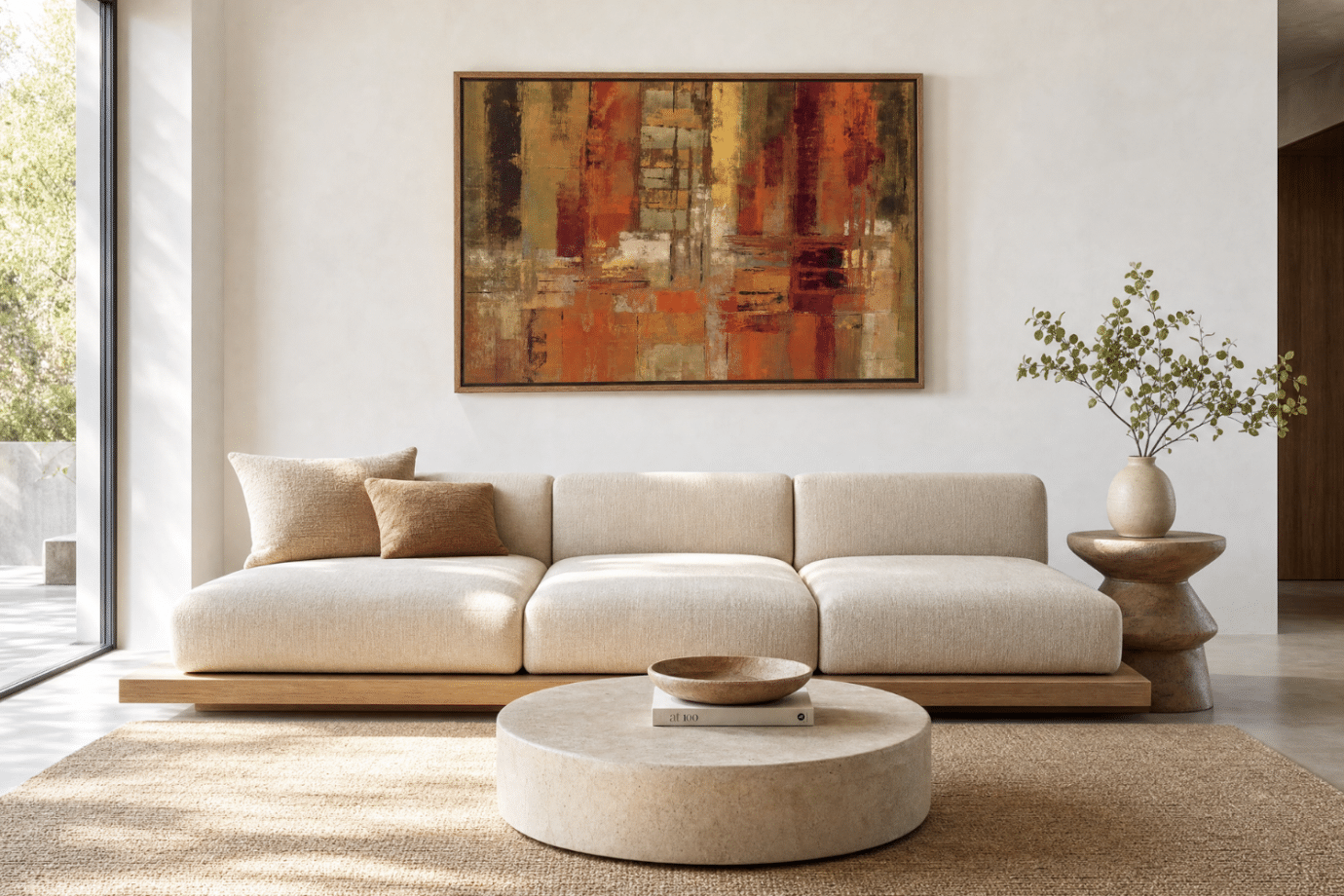
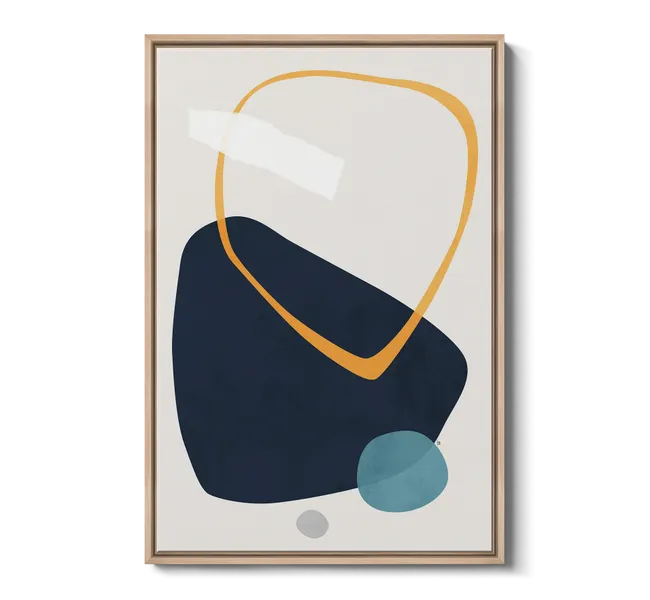
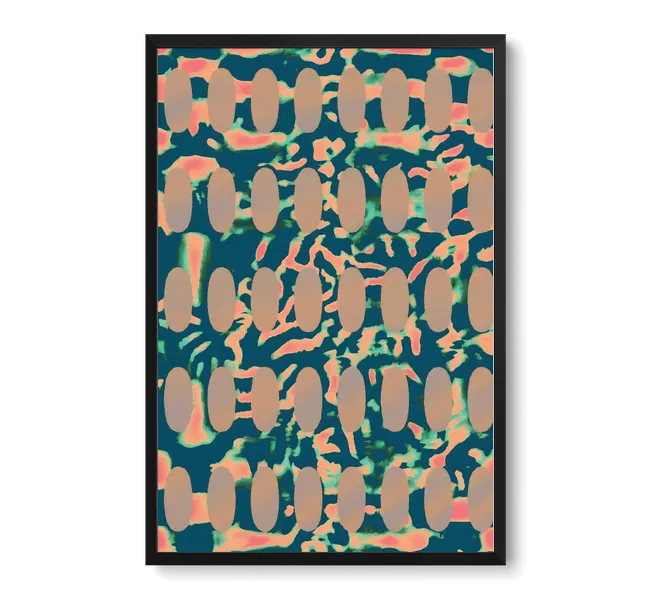
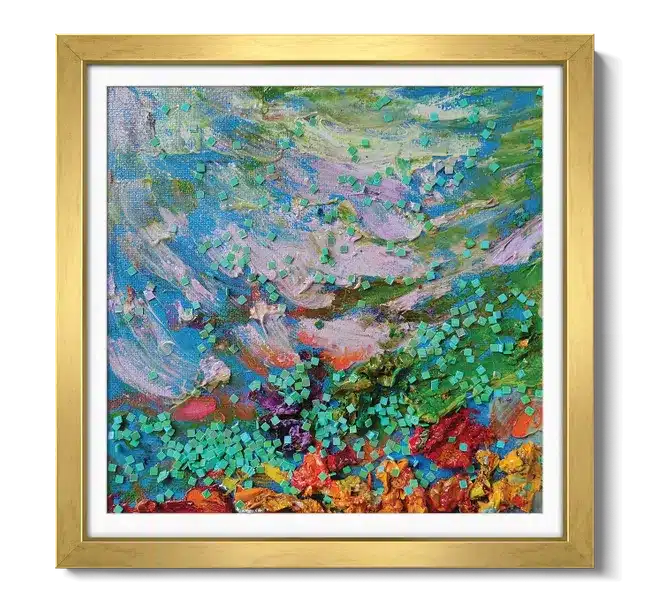
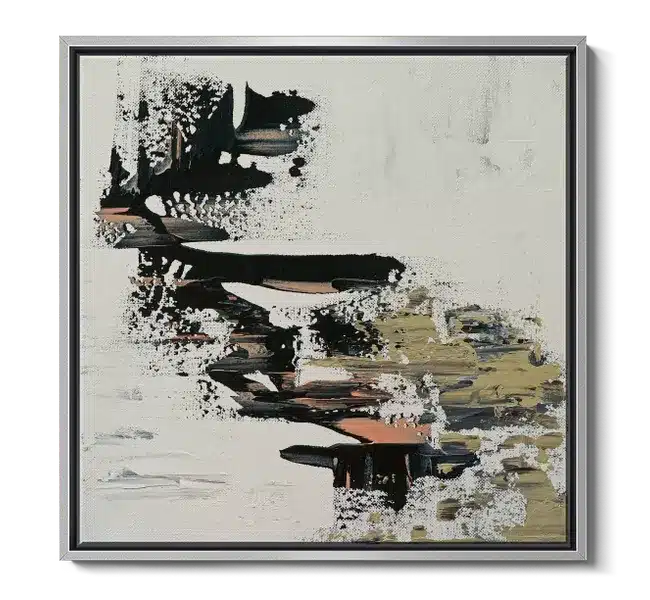
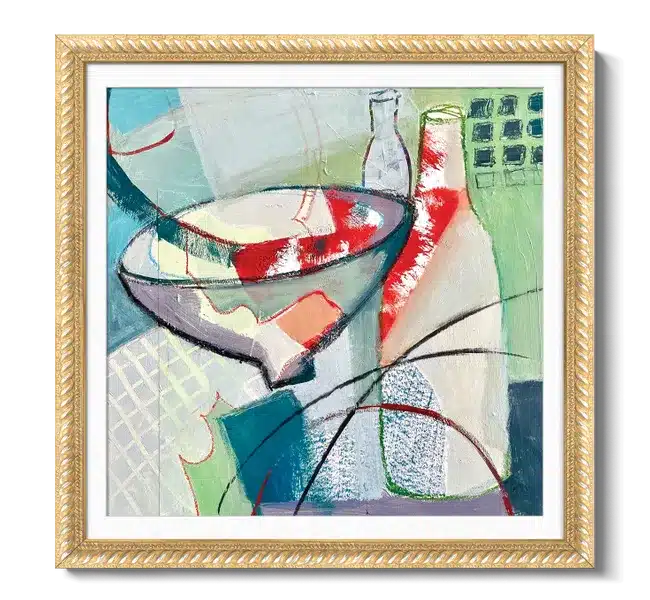
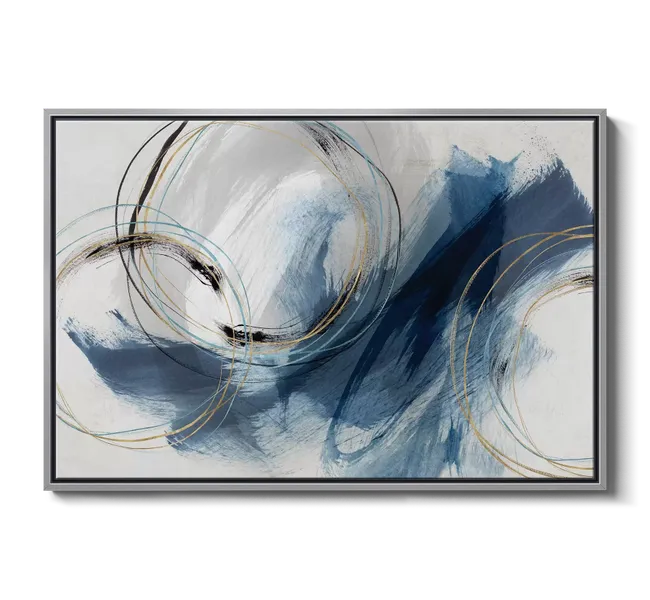
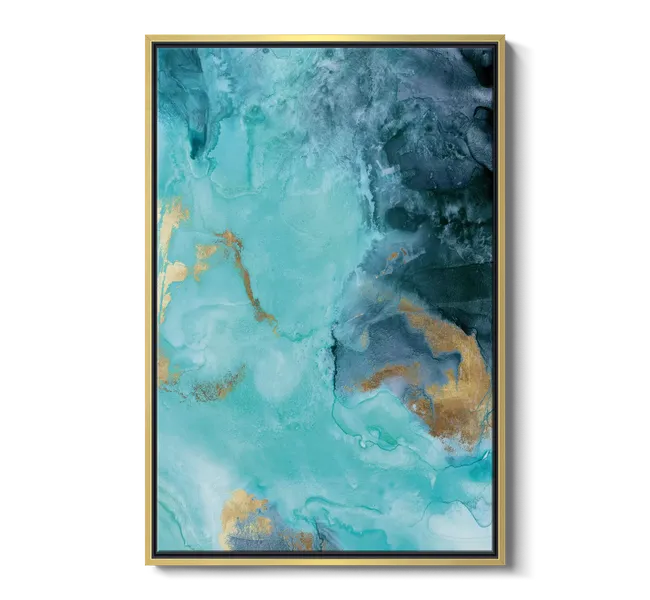
Abstract art walks away from realistic subjects entirely. No landscapes, no faces, no objects you can point to and name. Instead, color, shape, and form carry the entire piece, full stop.
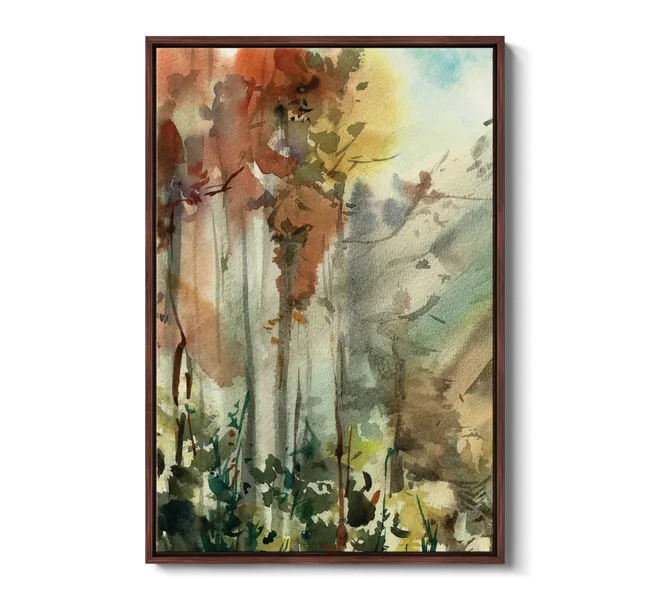
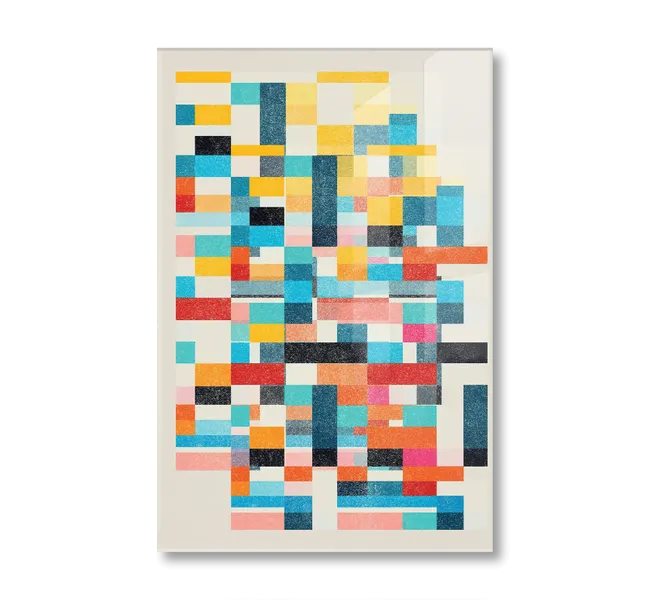
The movement took shape in the early 1900s, and Wassily Kandinsky’s 1910 watercolor is often pointed to as the moment art crossed the line from “abstracted” into fully non-representational. From there it splintered into a dozen directions, from Piet Mondrian‘s rigid color grids to the loose, organic color fields you see dominating living rooms today.
Why it works everywhere: because there’s no subject to clash with your existing decor, an abstract piece just adds color and movement. It’s the safest big, bold statement piece you can hang.
Even more curious about abstract art? Dive into the benefits of abstract art to see why it’s a great choice for igniting creativity in your space.
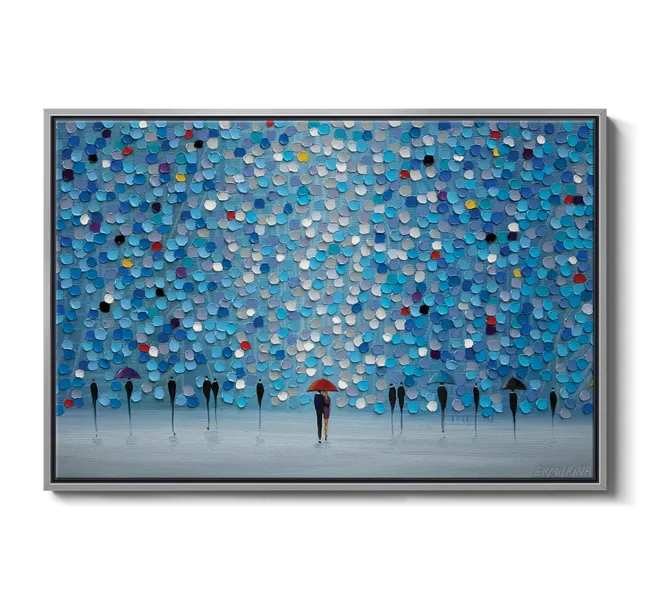
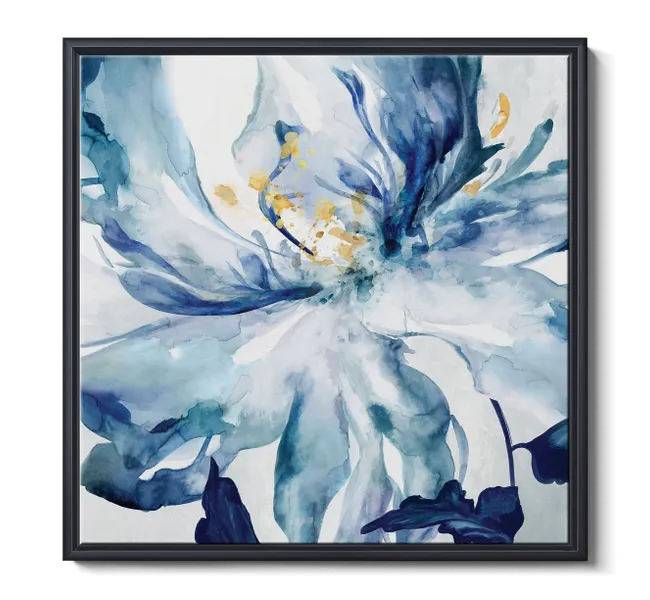
Abstract Art Prints From iCanvas

What is Minimalism Art?
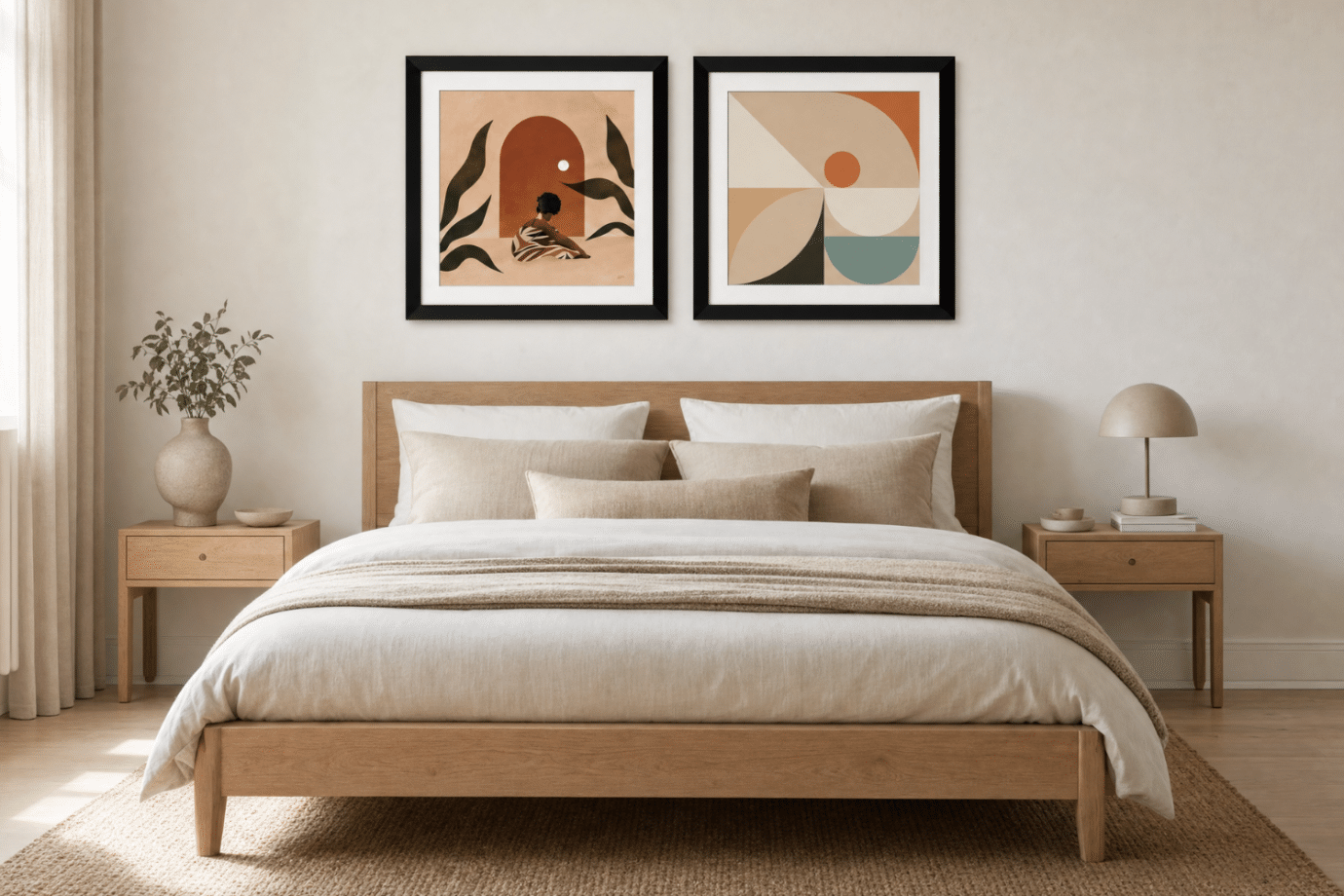
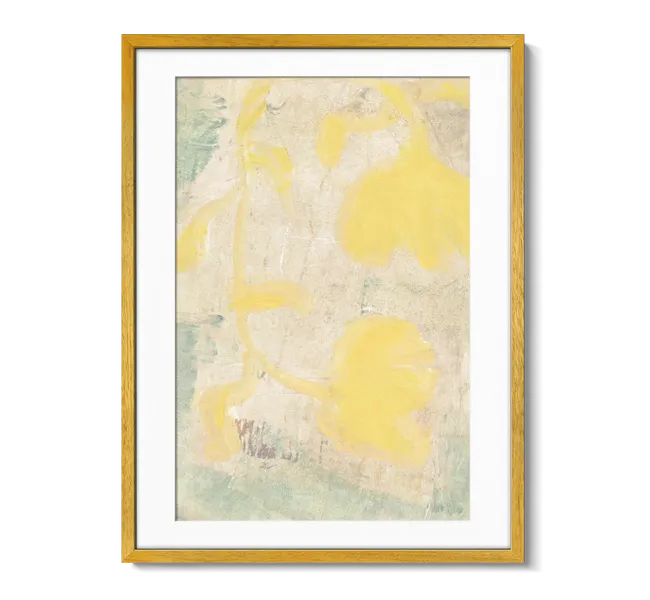
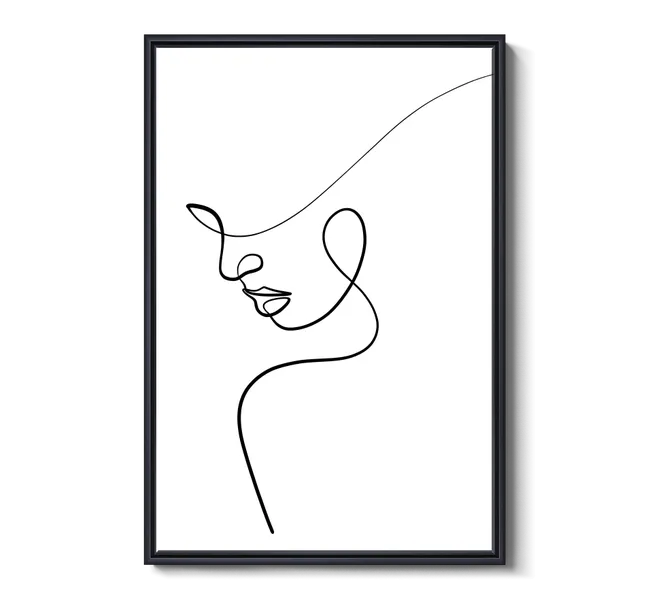
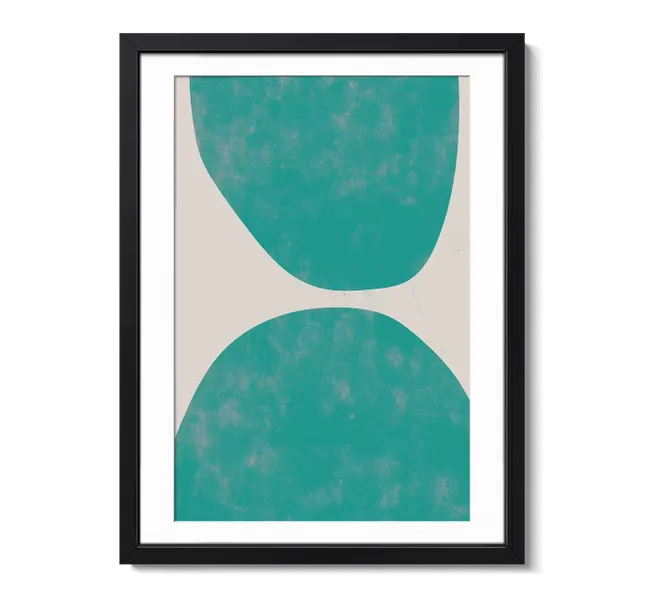
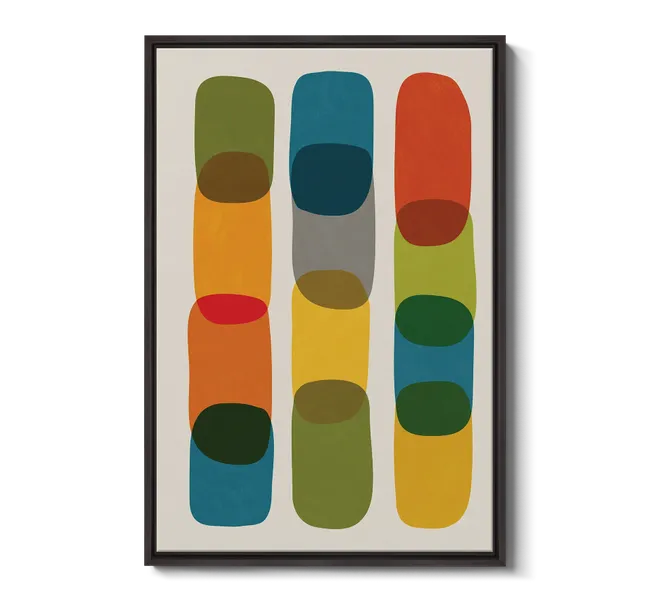
If Abstract Art is “less subject,” Minimalism is “less everything.” One line. One shape. One color, maybe two. Nothing else on the canvas competing for your attention.
Minimalism came out of 1960s New York as a direct rejection of the emotional intensity that came right before it (more on that below). Artists like Donald Judd and Agnes Martin worked with simple geometric forms and industrial materials, stripped of any representational content, rejecting traditional ideas of craftsmanship for something more objective and systematic. What you see is genuinely all there is.
This is the style for rooms that are already doing a lot. Busy wallpaper, layered textiles, a gallery wall of family photos. Minimalist art gives the eye somewhere to rest. It’s just as at home in a room that’s already minimalist, where it doesn’t compete with the space so much as complete it.
Minimalism Art Prints From iCanvas
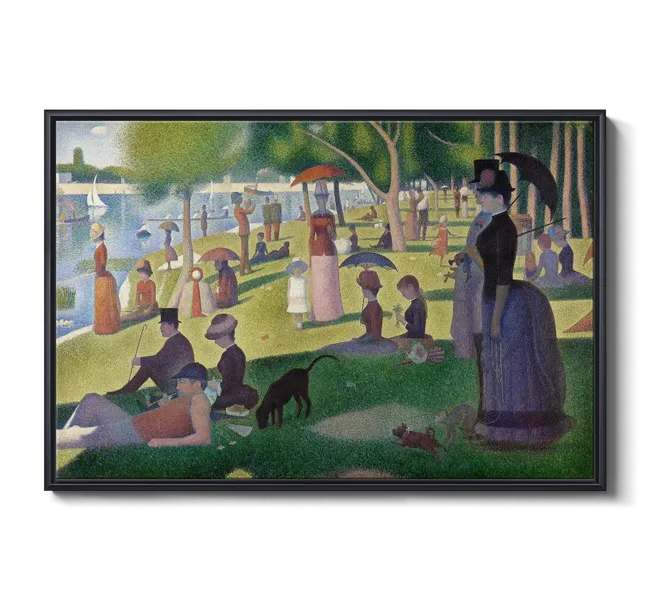
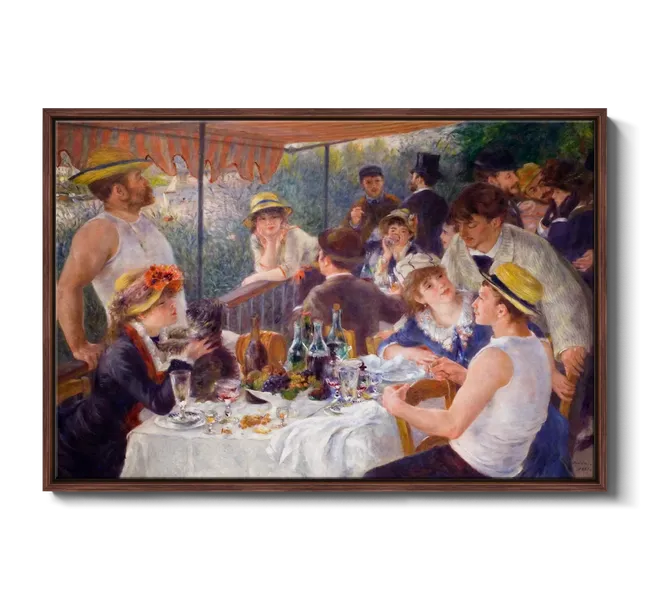
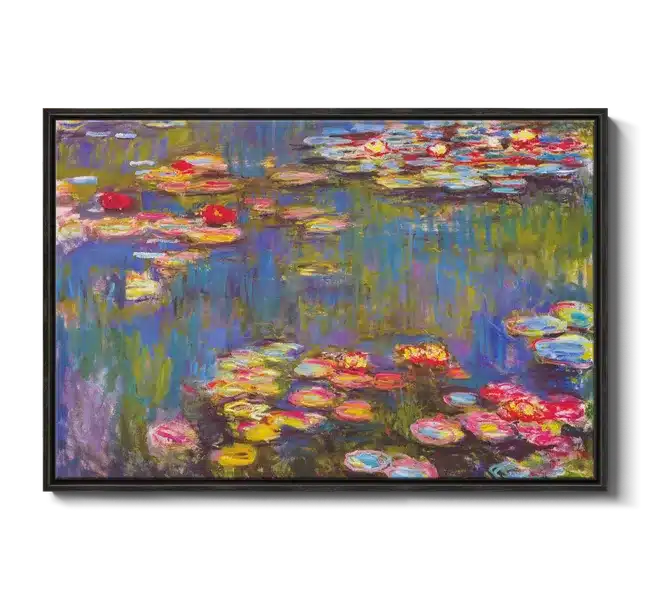
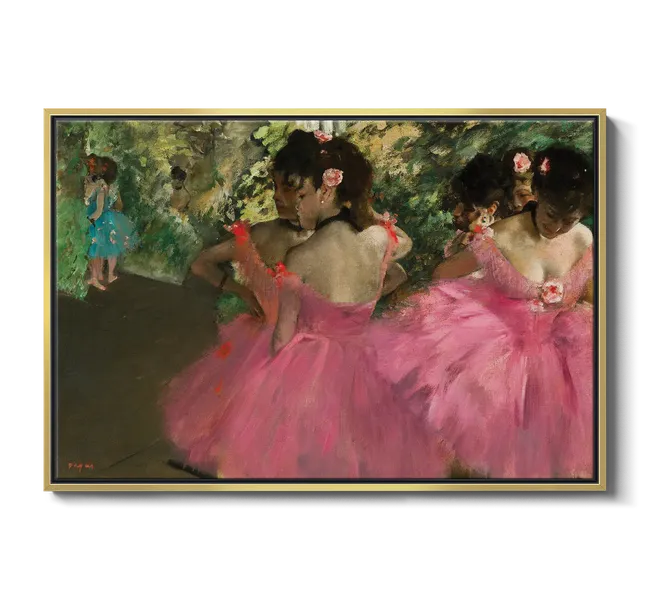
What is Impressionism Art?
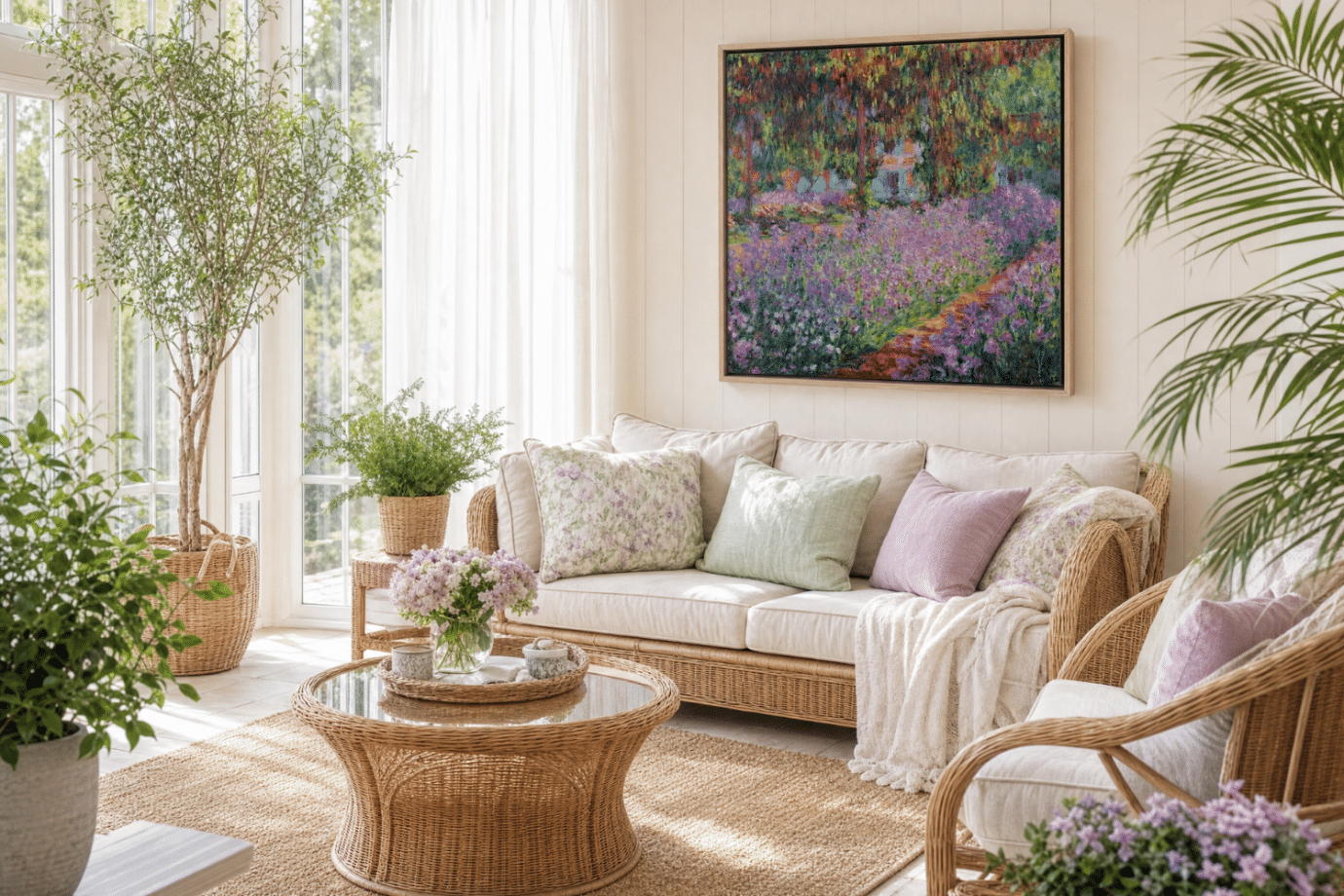
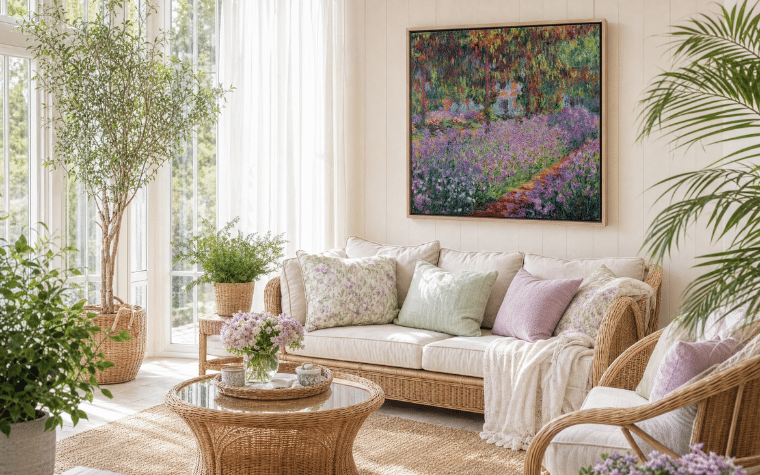
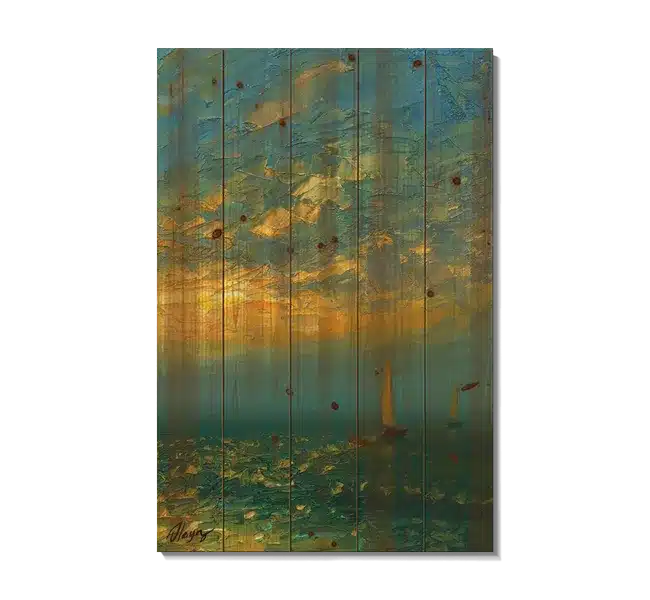
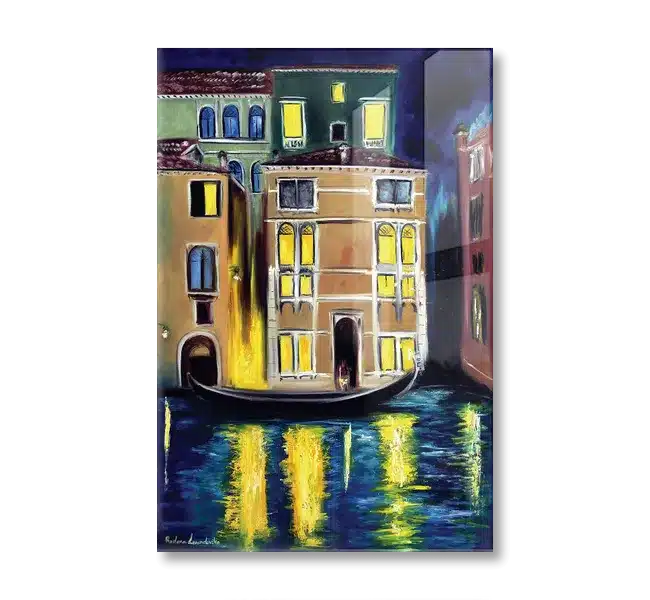
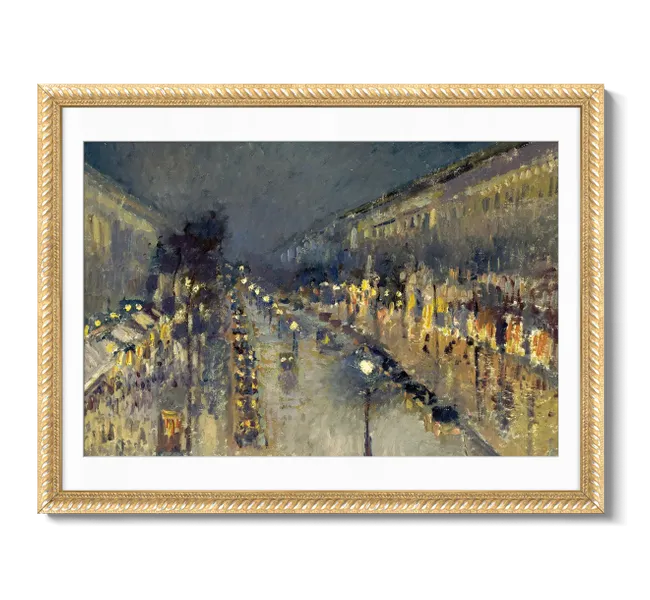
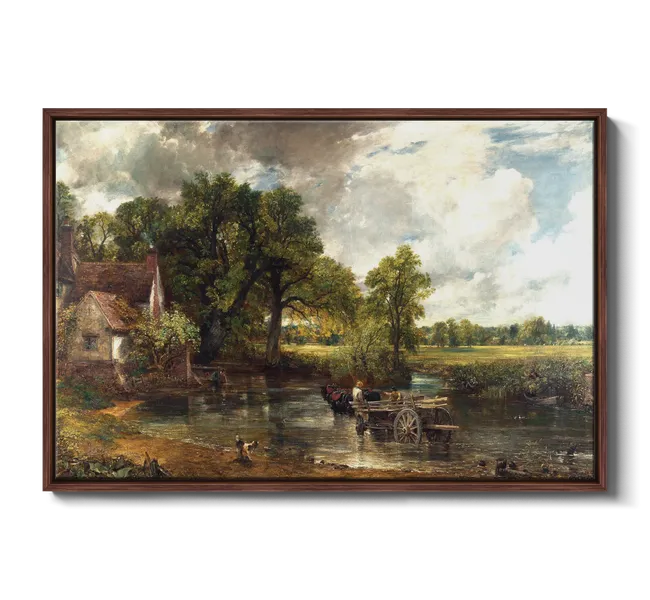
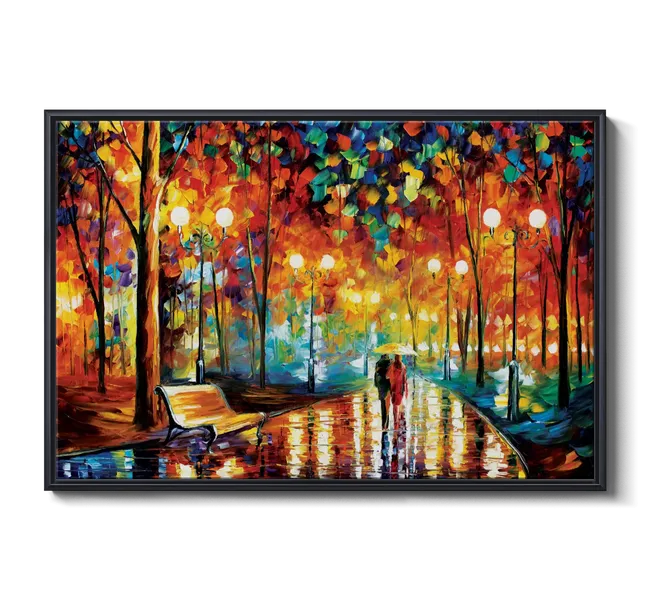
This is one that a lot of people have heard of, but typically can’t define it. Impressionism is loose, visible brushwork chasing a feeling instead of a photograph. Soft gardens, dappled light, a moment captured before it changes.
It emerged in France in the 1870s, when a group of artists who couldn’t get into the official jury-selected Paris Salon staged their own independent exhibition instead. The name itself started as an insult, a critic mockingthe loose, unfinished-looking brushwork of a Monet painting shown at that 1874 show. The label stuck, and so did the technique: painting outdoors, on location, to catch the exact quality of light at a specific moment rather than a technically perfect scene.
Impressionism reads as warm and approachable in almost any space. It’s the gateway style, the one that makes people comfortable enough to start noticing the rest of this list.
Impressionism Art Prints From iCanvas
What is Realism Art?
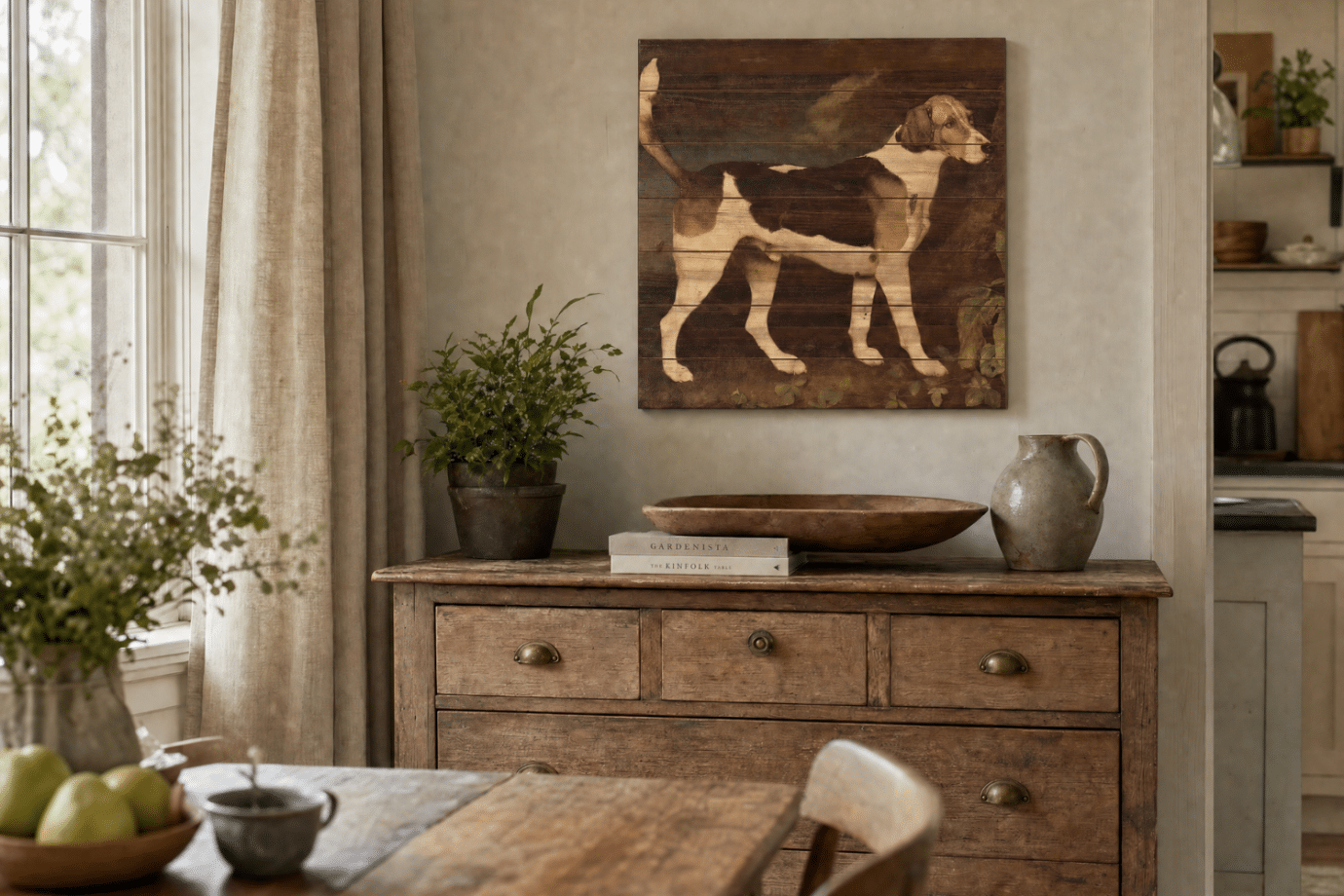
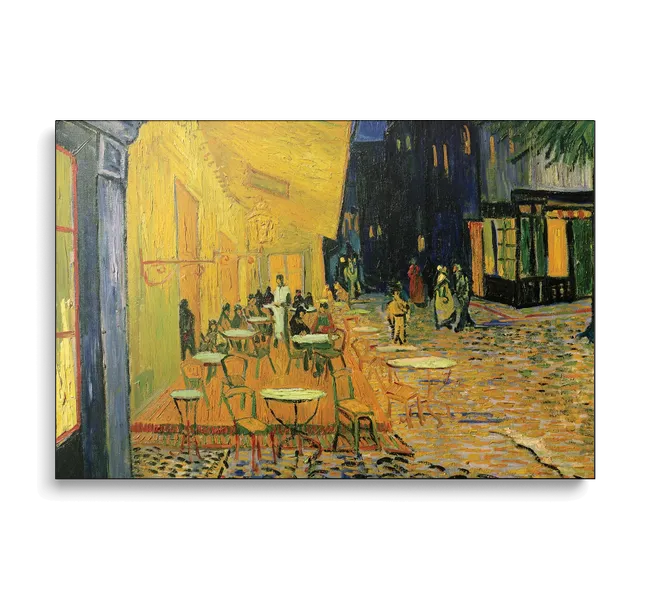
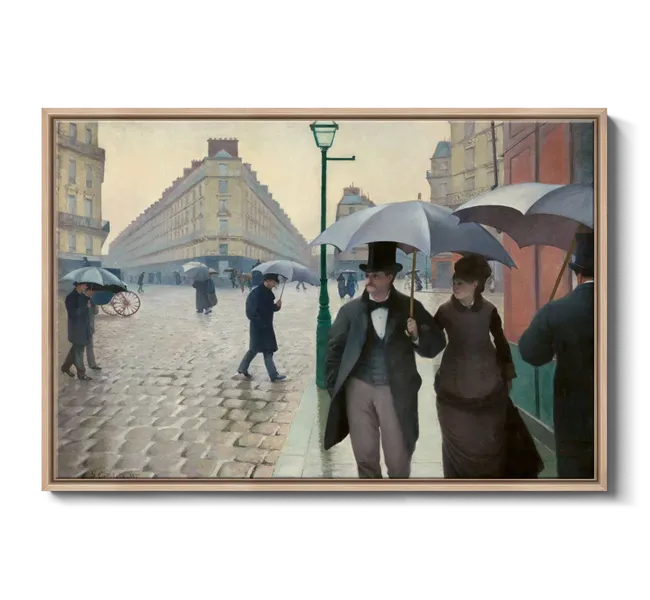
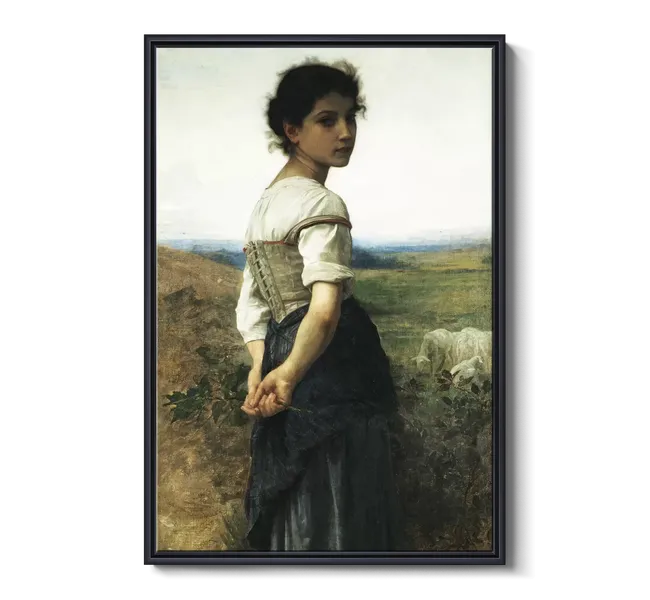
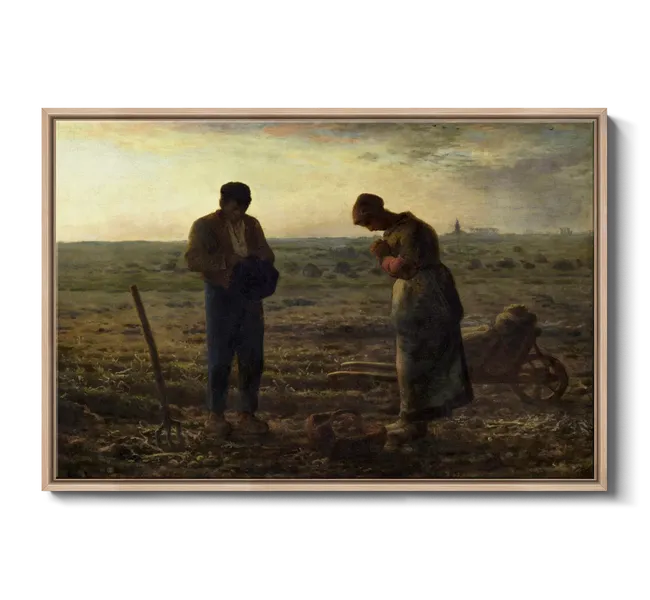
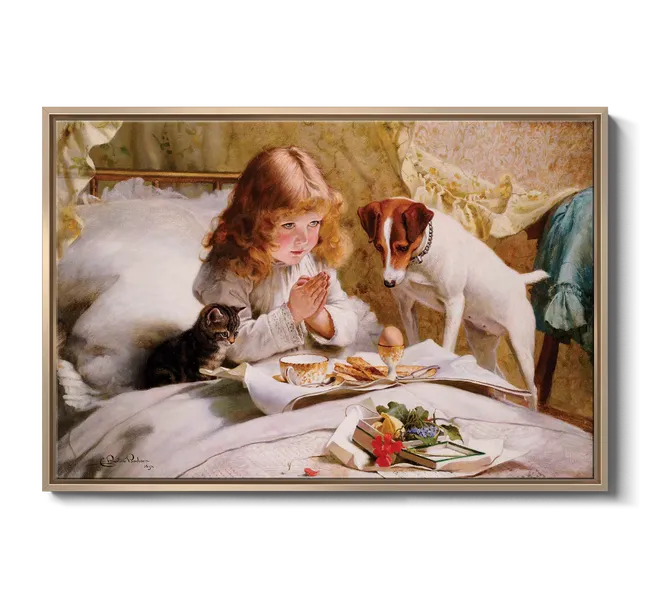
Realism is exactly what it sounds like: people and scenes painted as they actually appear, no idealizing, no drama, no myth or religion dressing things up.
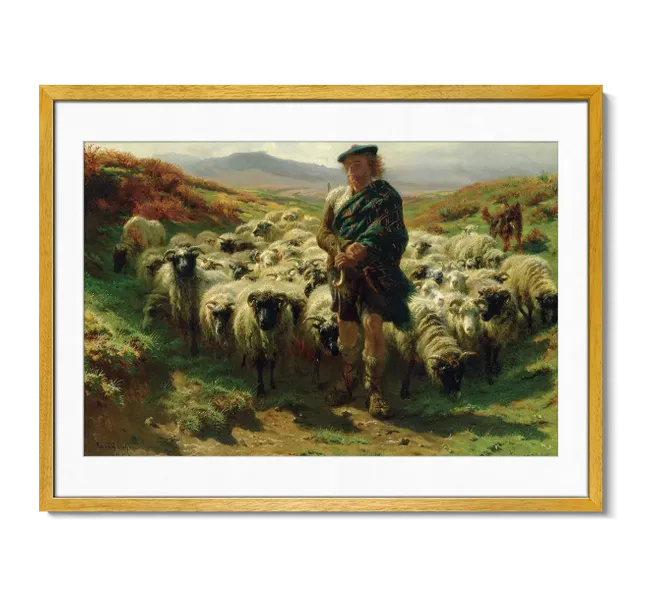
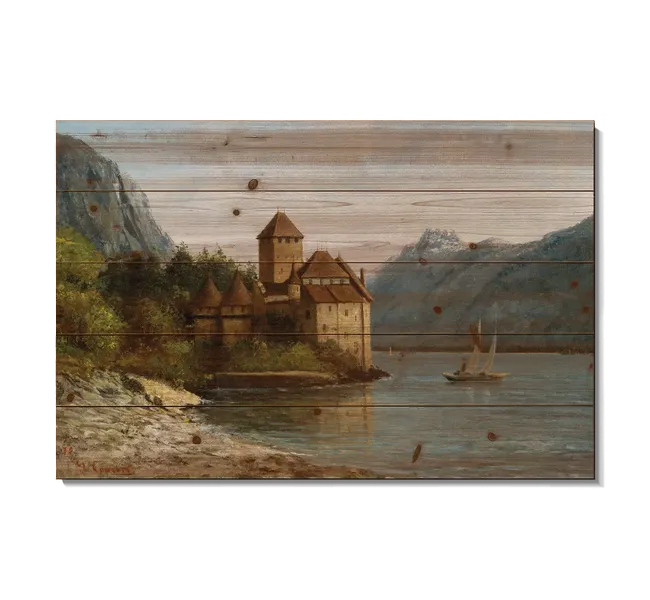
It emerged in France in the 1850s as a direct pushback against the grand, romanticized history paintings that dominated the era’s galleries. Gustave Courbet led the charge, painting ordinary laborers and villagers at the same monumental scale once reserved for kings and saints, insisting that regular people were worth painting exactly as they were.
It’s the least flashy style on this list, and that’s exactly its value. A Realist piece grounds a room. It reads as thoughtful and quiet rather than decorative, which makes it a strong choice for studies, entryways, or anywhere you want art that feels substantial without shouting.
Realism Art Prints From iCanvas


What is Modernism Art?
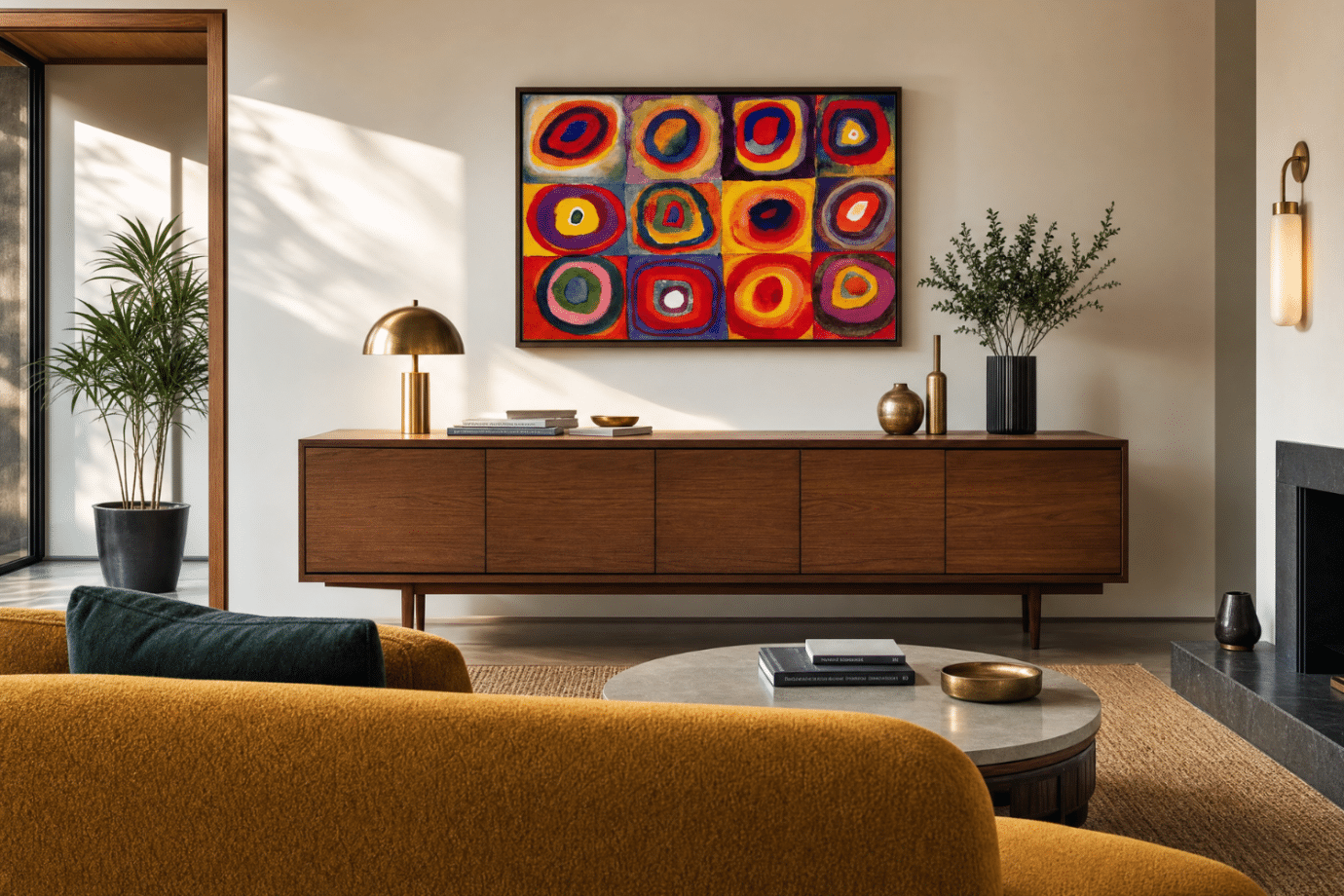
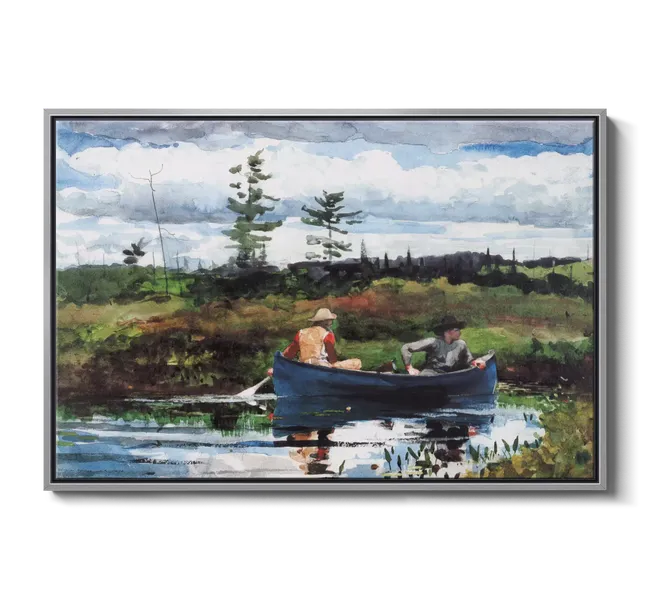
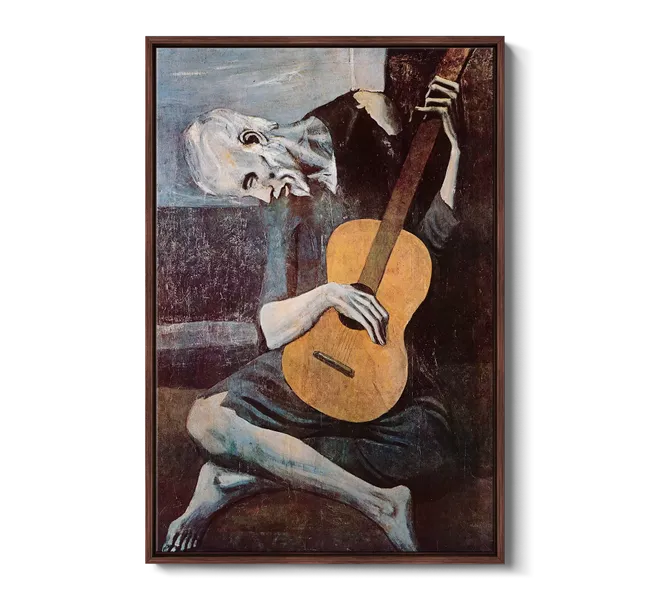
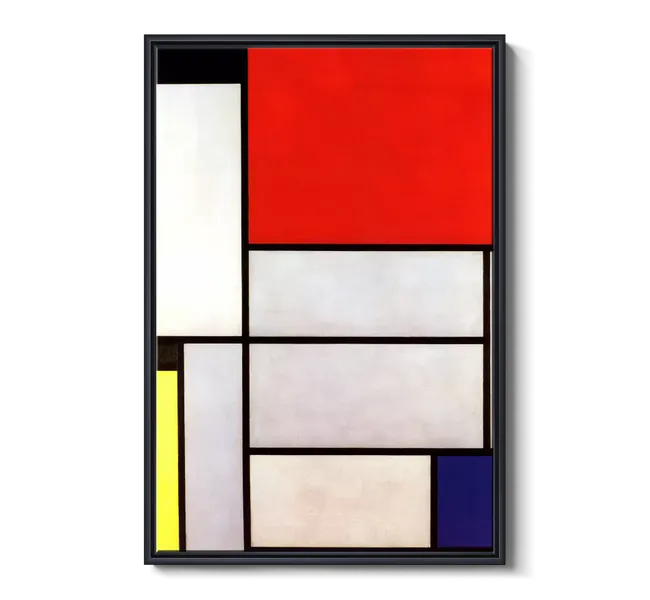
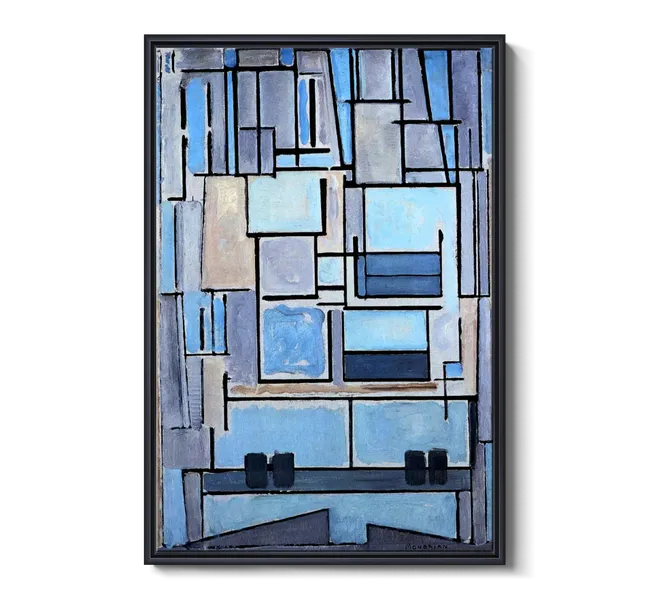
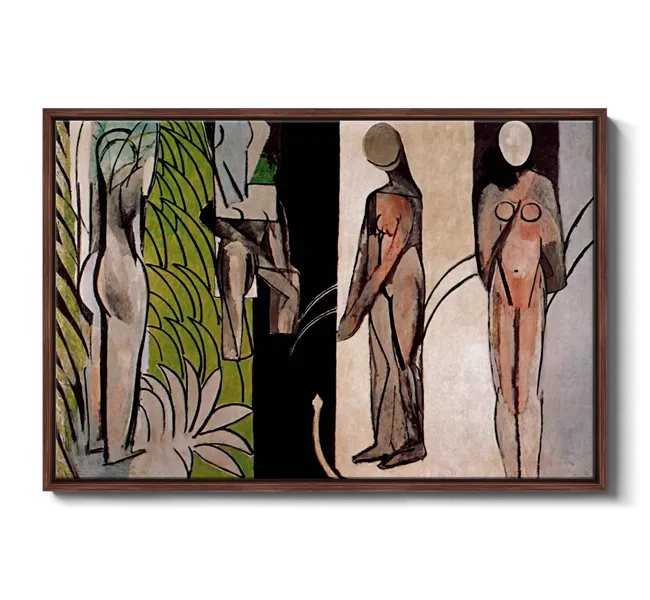
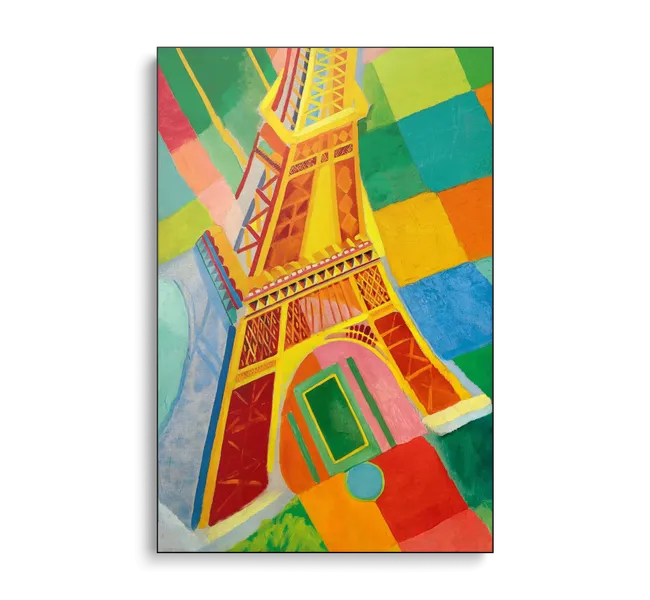
Modernism is the big umbrella term for the wave of experimentation that broke out across the early 1900s, when artists collectively decided the old rules of representation no longer applied. Picasso fracturing a guitar into geometric planes. Mondrian reducing a tree down to a grid of primary colors. Kandinsky treating a canvas like a piece of music. All of it falls under Modernism, a break from the past driven by the newly industrial, urbanizing world artists were living in, running from Courbet’s Realism all the way through to abstract art in the 1960s.
What ties it together isn’t one look, it’s an attitude: art didn’t have to resemble the world to be worth looking at. That single idea cracked open everything that came after it on this list, from Abstract Expressionism to Pop Art.
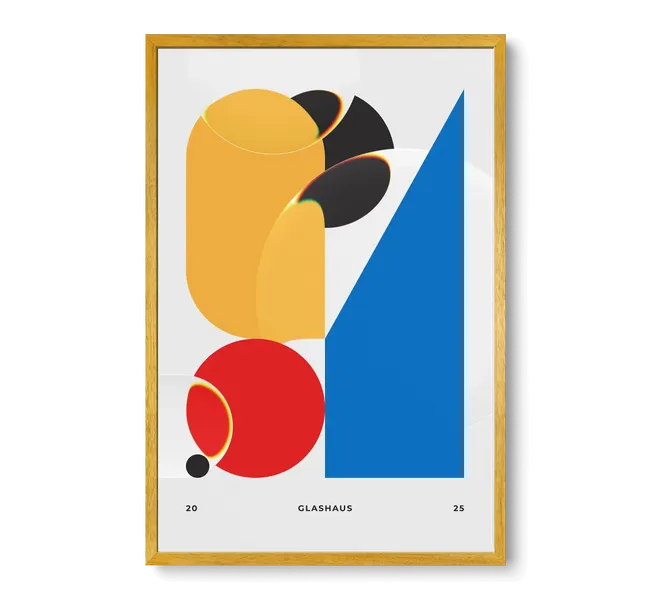
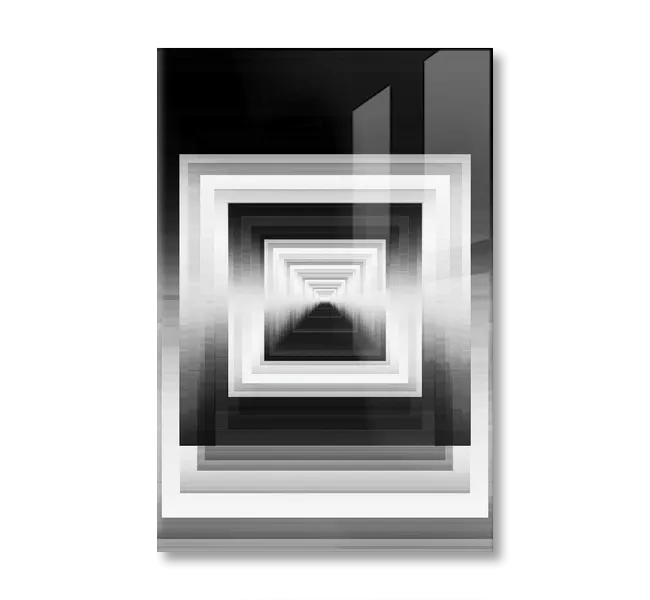
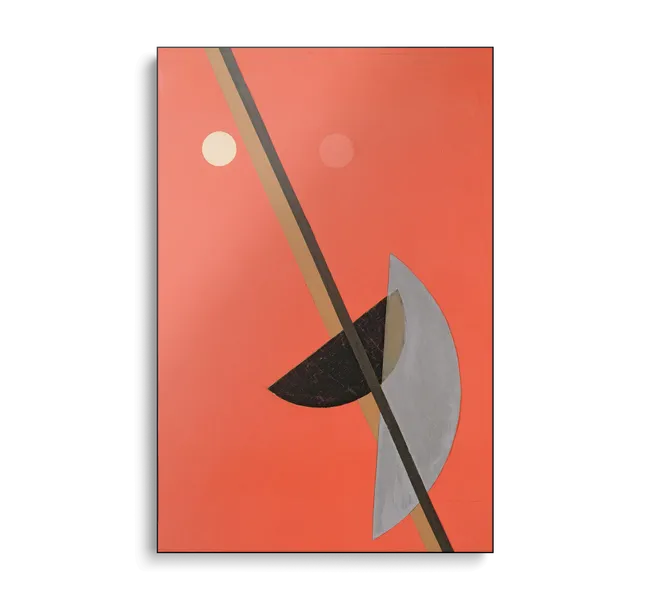
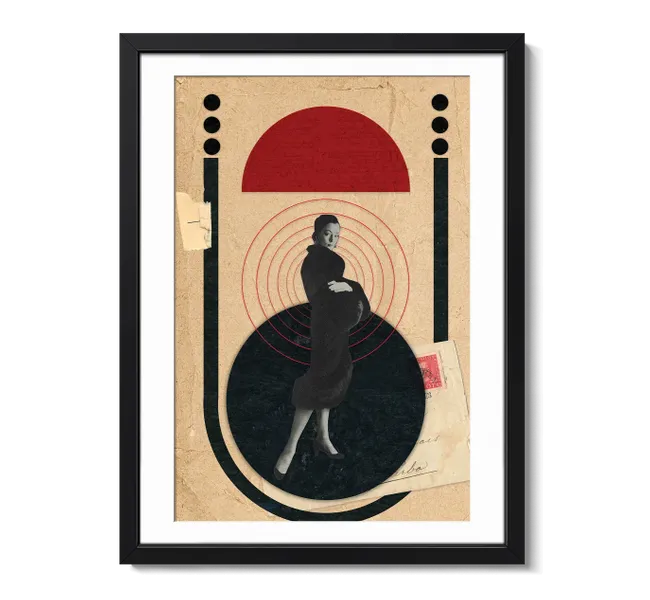
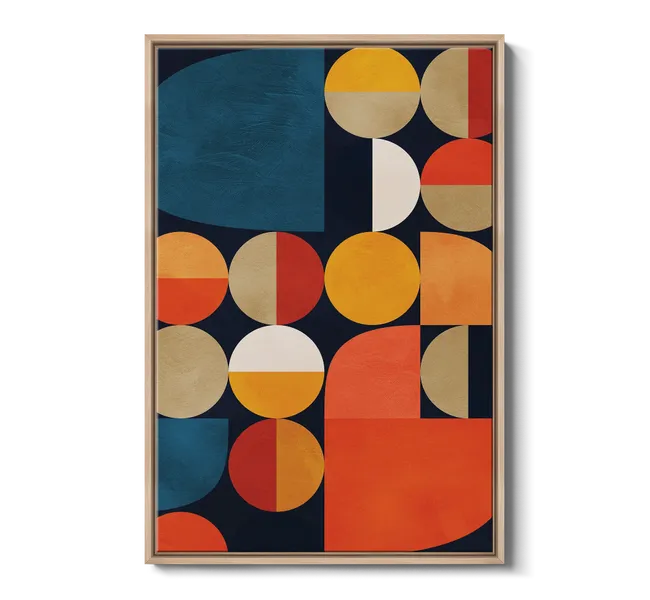
In a room, Modernist pieces tend to bring structure. Think geometric grids, bold primary color, a sense of intentional order. They pair especially well with clean-lined, mid-century furniture.
Modernism Art Prints From iCanvas
What is Expressionism Art?
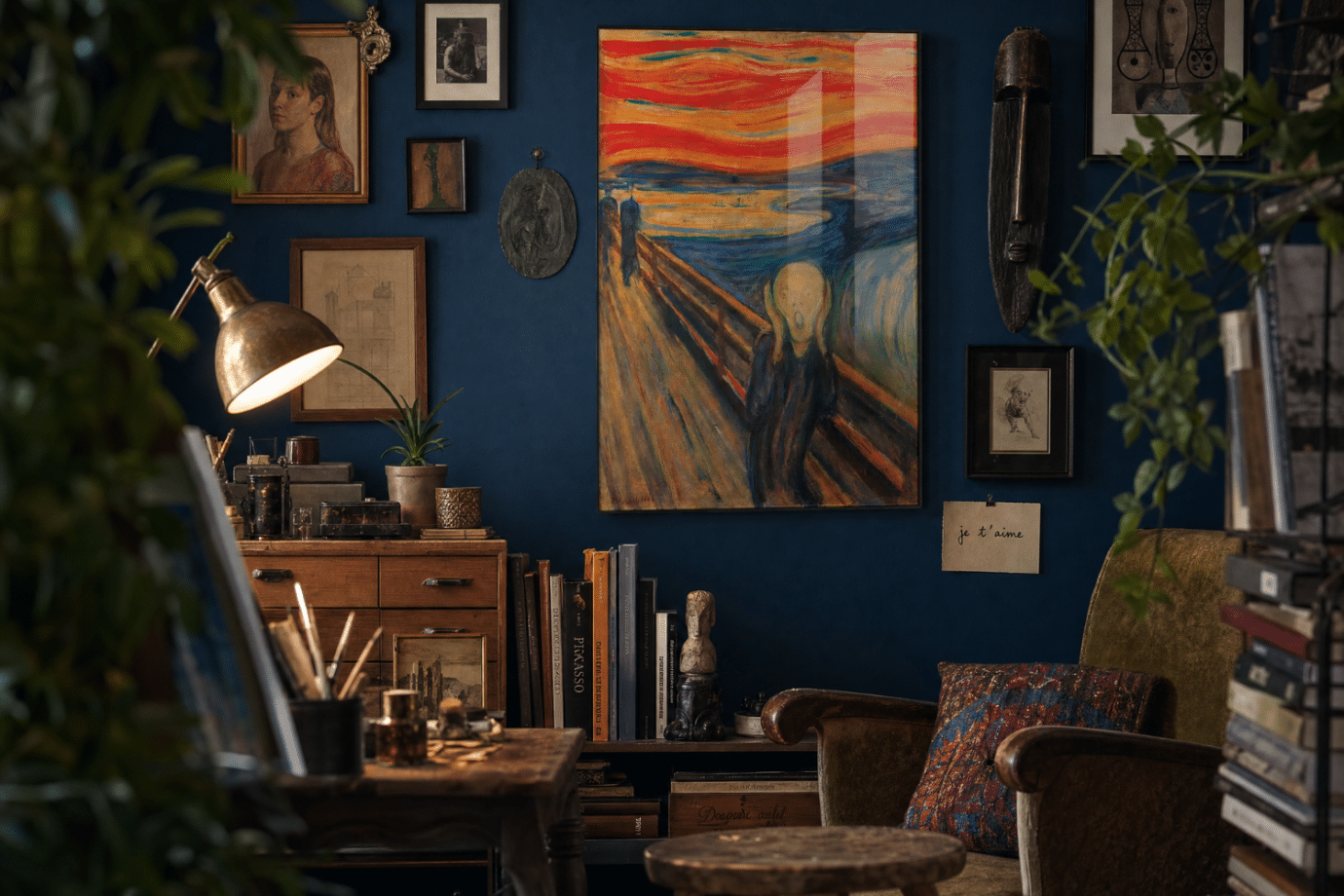
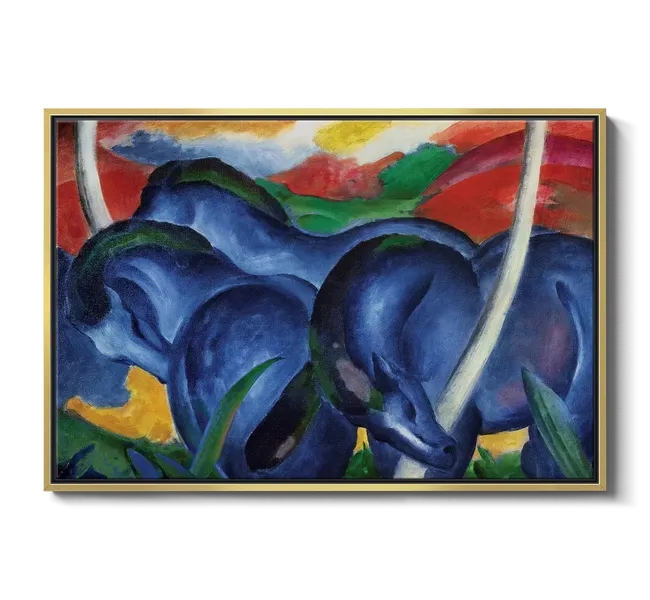
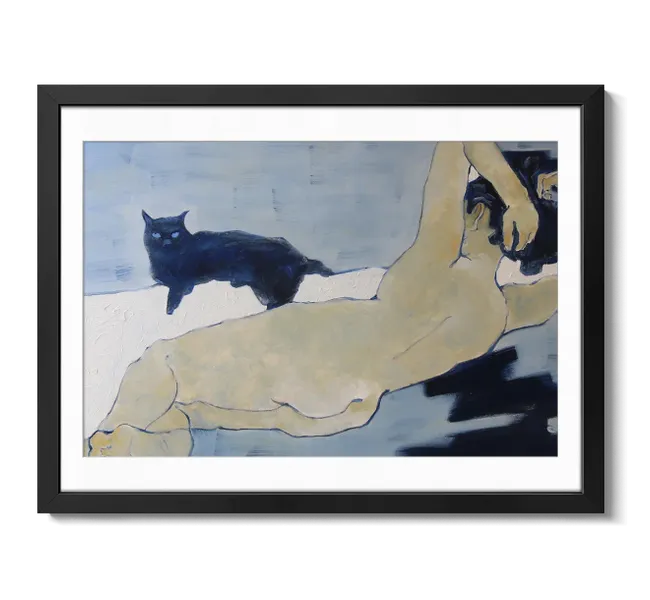
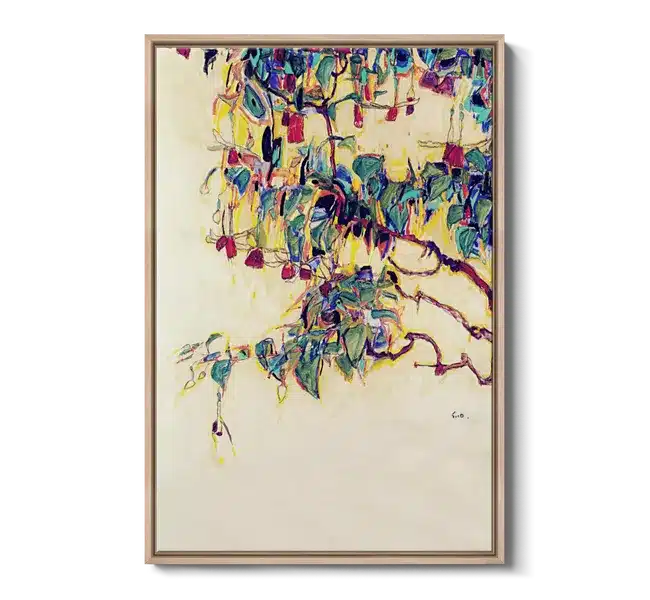
Expressionism takes the opposite instinct of Modernism: instead of order, it wants raw emotion, even if that means twisting the truth to get there. Distorted forms, unnatural color choices, visible, aggressive brushwork, all in service of showing you how something felt rather than how it looked.
It took hold in Germany starting in 1905, when a group of Dresden art students calling themselves Die Brücke (“The Bridge”) held their first exhibition in a converted lamp factory, marking the start of what came to be known as German Expressionism. Kandinsky, Klee, and Munch all worked in this space before some of them moved further into pure abstraction.
Here’s a genuinely useful distinction to keep in your back pocket: Expressionism and Abstract Expressionism sound like the same thing. They are not.
Expressionism Art Prints From iCanvas
What is Abstract Expressionism Art?
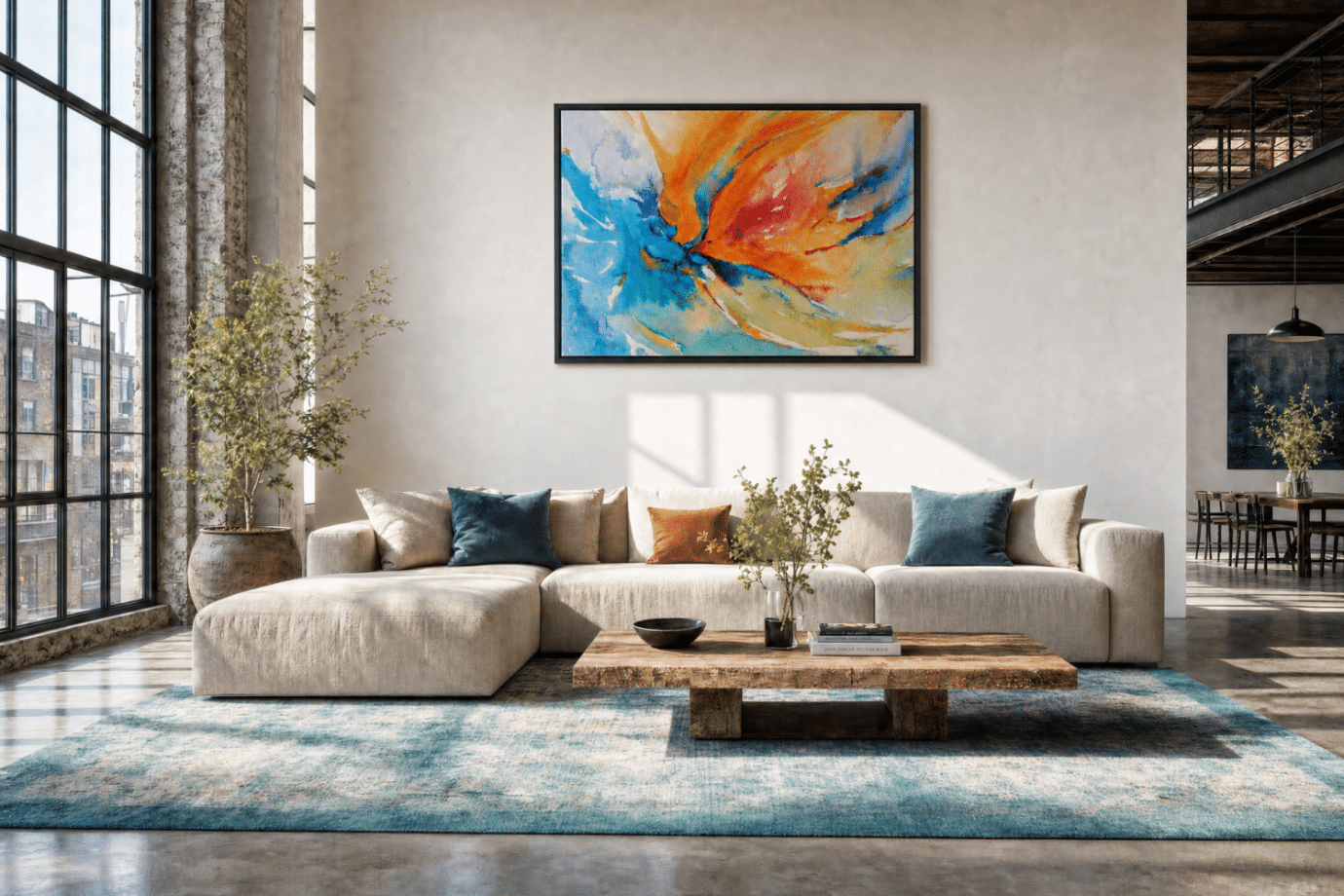
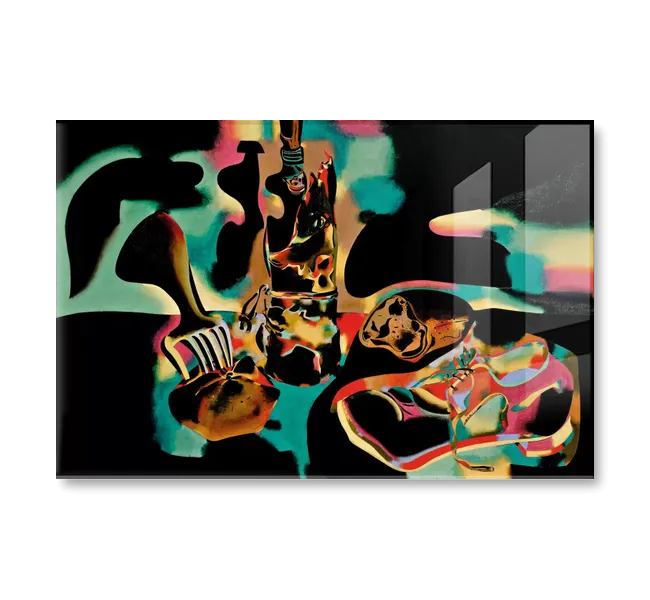
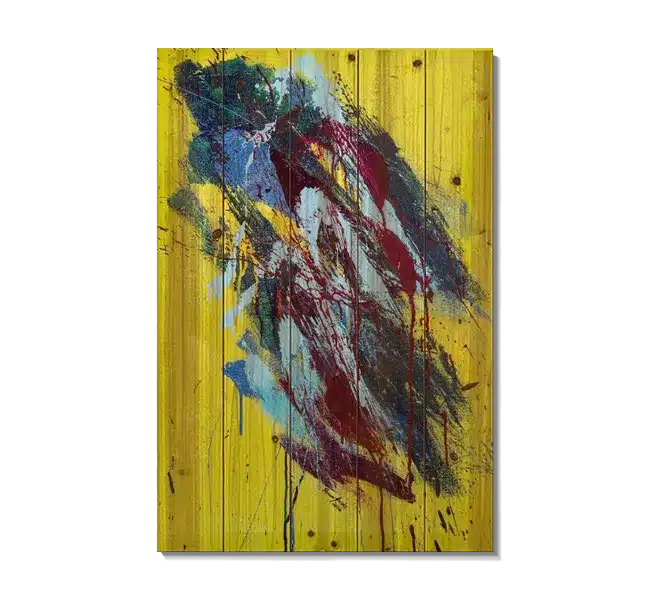
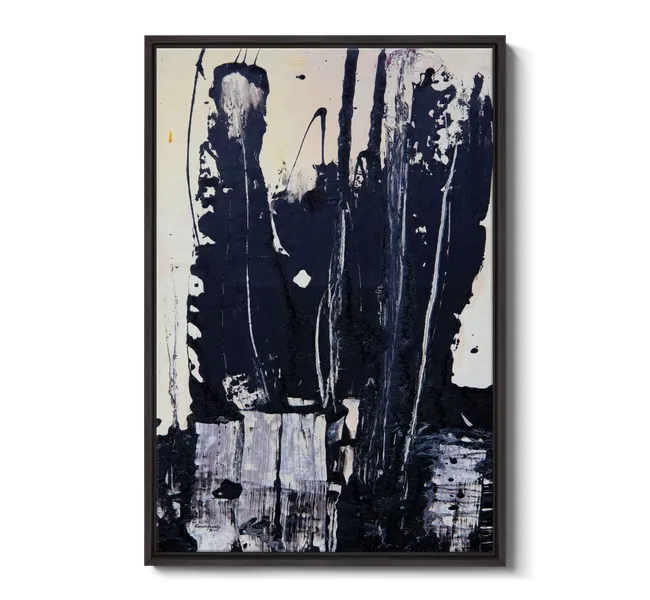
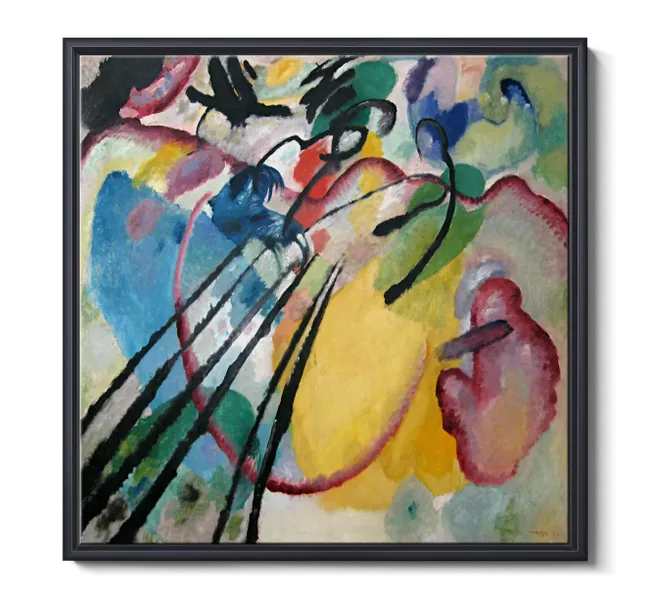
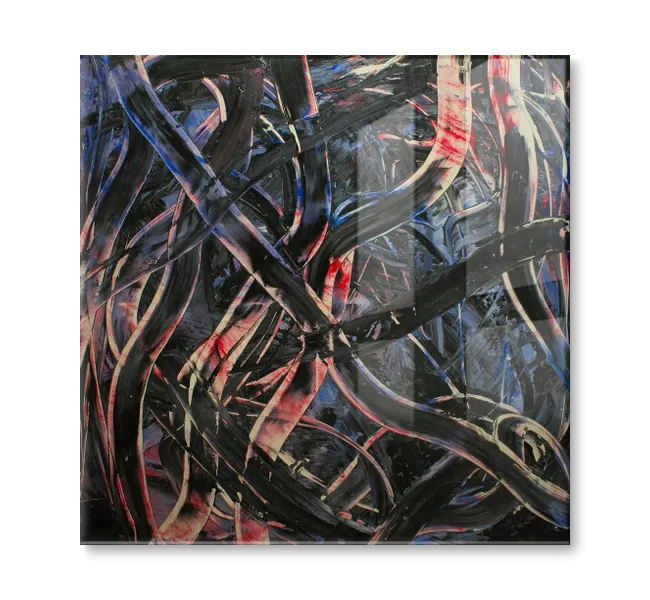
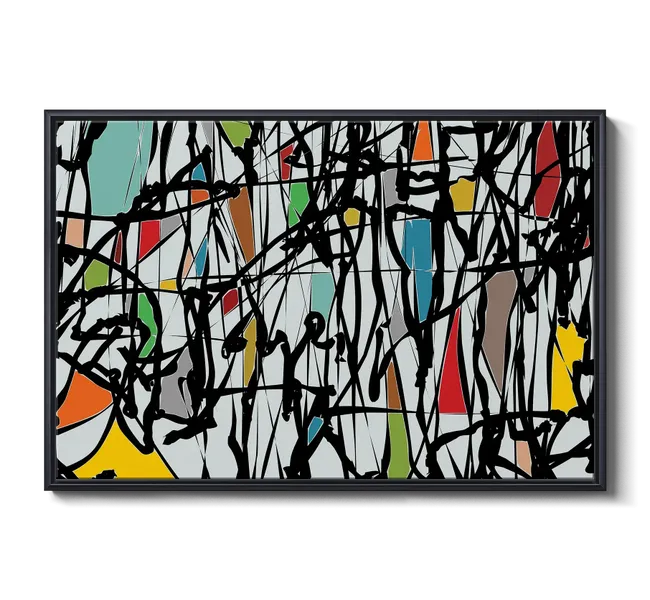
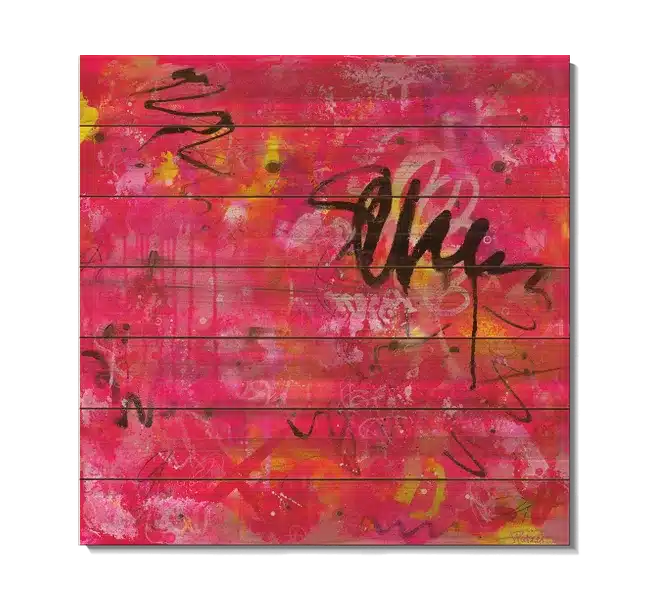
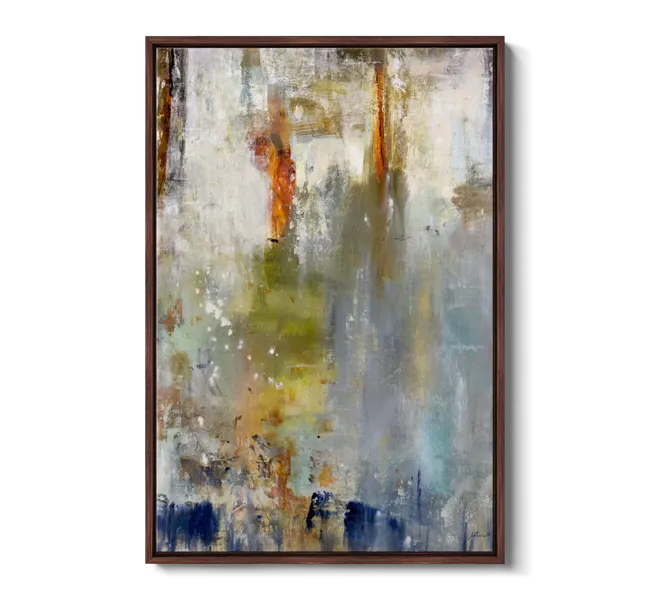
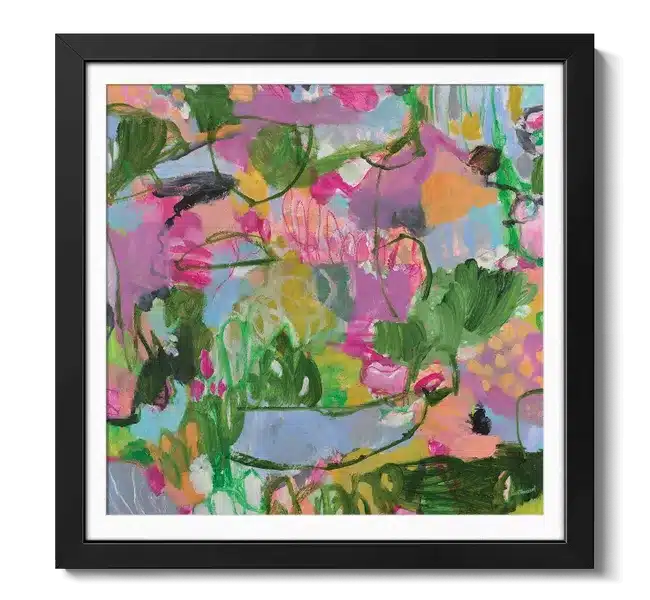
This is Expressionism’s American descendant, and it showed up decades later, in New York in the 1940s and 50s, in the aftermath of two world wars. The “New York School,” as it became known, included Jackson Pollock and his drip technique, and Mark Rothko and his enormous, meditative fields of color.
The difference that matters: Expressionism (the German original) still often kept a recognizable subject, just twisted and heightened. Abstract Expressionism drops the subject entirely, leaning fully into gesture, scale, and the physical act of painting itself as the whole point.
This is the style for a room that needs one commanding, oversized piece. A large-scale Abstract Expressionist canvas doesn’t decorate a wall, it anchors an entire room.
Abstract Expressionism Art Prints From iCanvas
What is Surrealism Art?
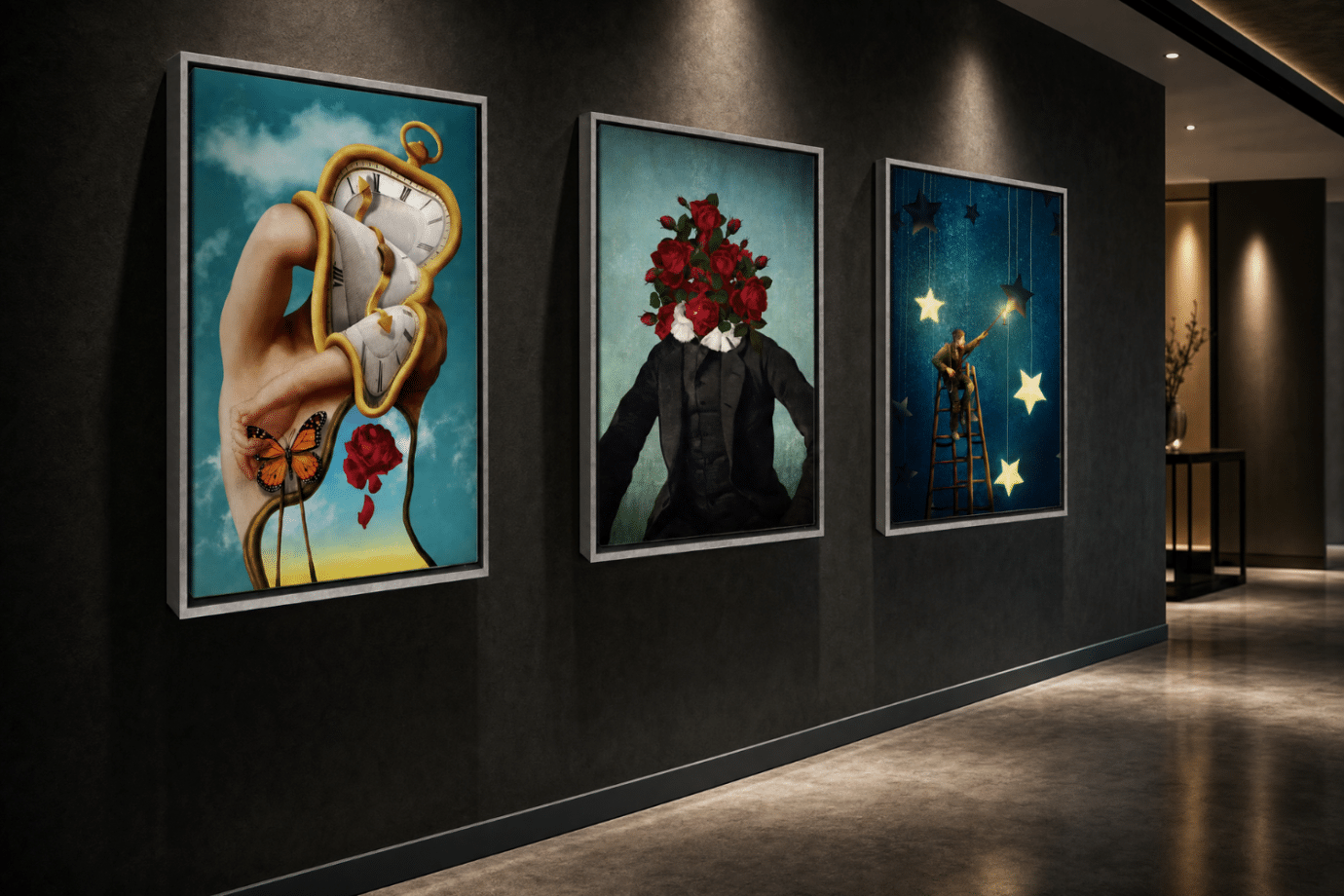
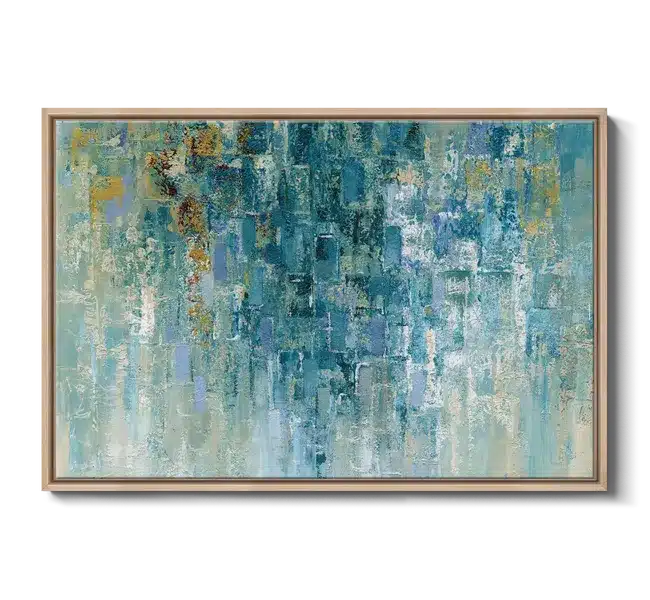
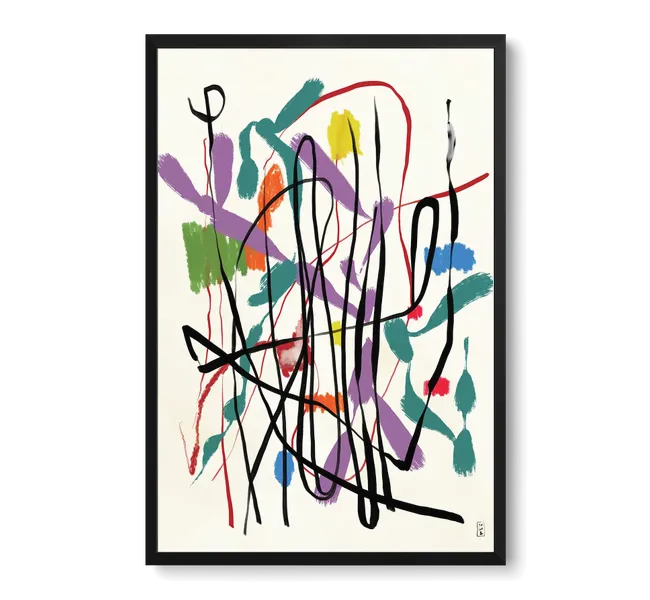
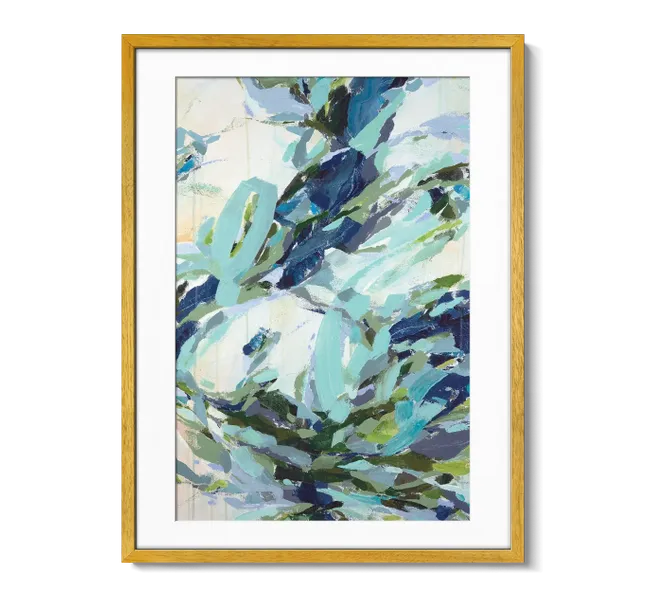
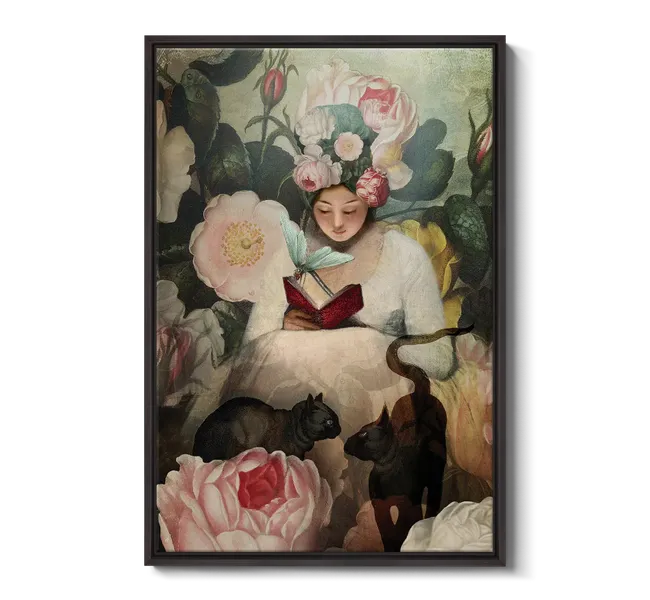
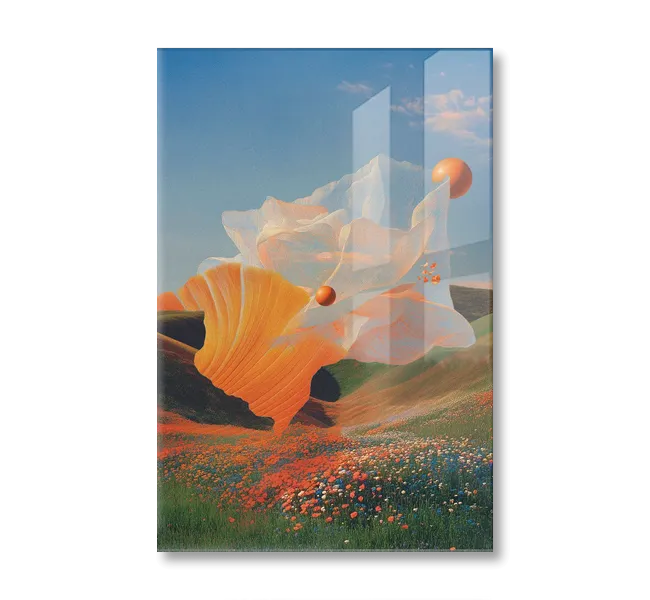
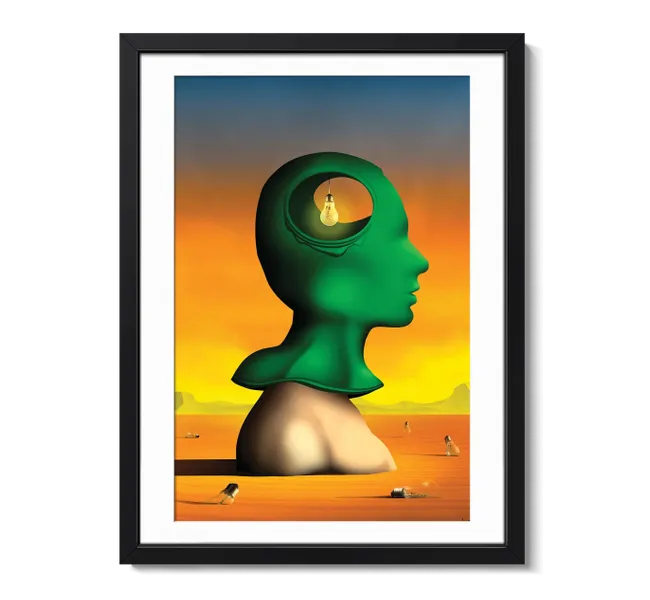
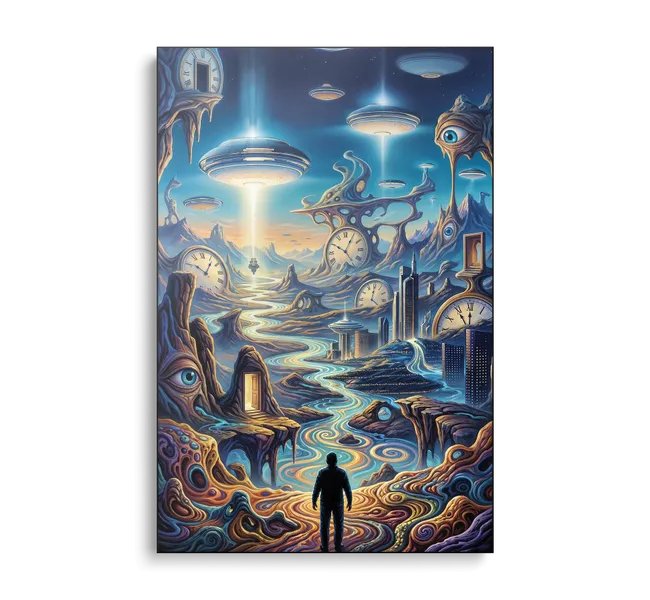
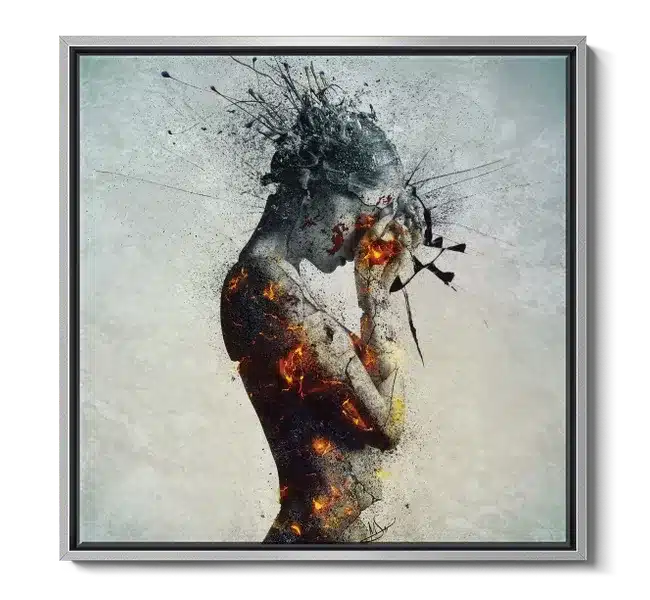
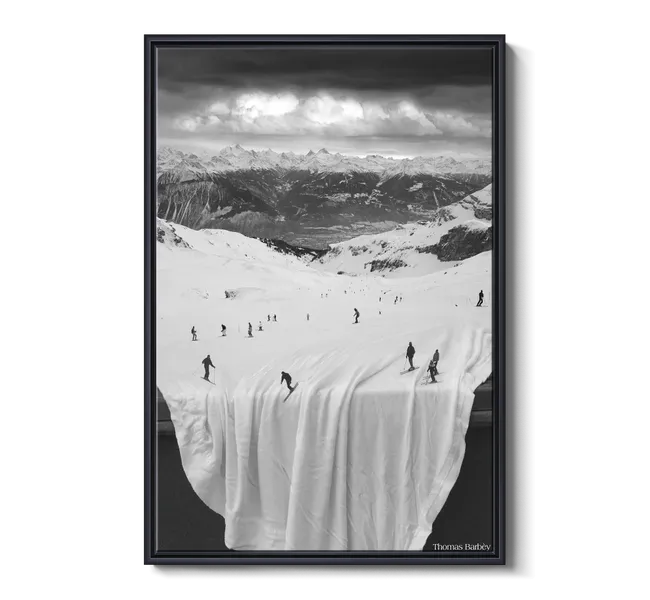
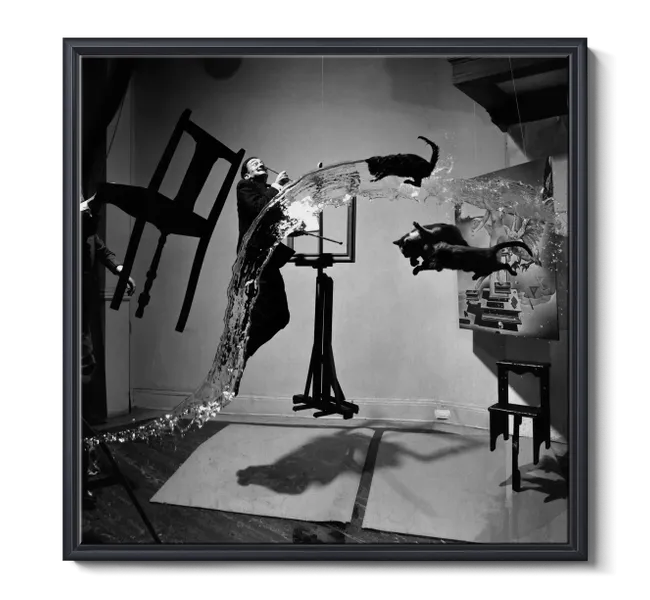
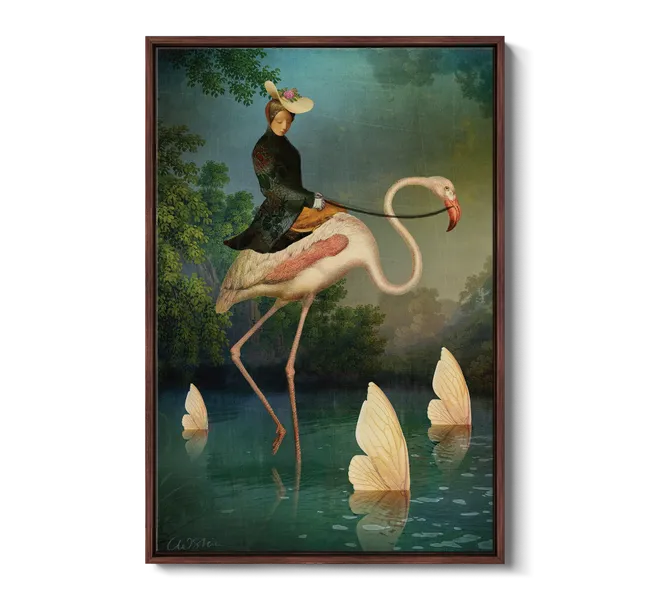
Surrealism is where art gets weird on purpose. Melting objects, impossible scenes, dreamlike logic that makes total sense while you’re looking at it and none at all once you look away.
The movement grew out of 1920s Europe, when writer André Breton published his Surrealist Manifesto in 1924, defining the whole project as art made by shutting off conscious control and letting the unconscious mind take over. Peggy Guggenheim became one of the movement’s most important early collectors, close enough to its key artists that she helped several of them escape Europe during World War II.
It’s a small irony that Surrealism ended up directly inspiring Abstract Expressionism’s obsession with spontaneity and the unconscious, even though the two styles look almost nothing alike on the wall.
Surrealist pieces work best somewhere with a little drama to spare: a moody hallway, a dining room, anywhere you want guests to do a double take. If you want to dive even deeper, take a look at some of these surrealism artists who bend reality through art.
Surrealism Art Prints From iCanvas
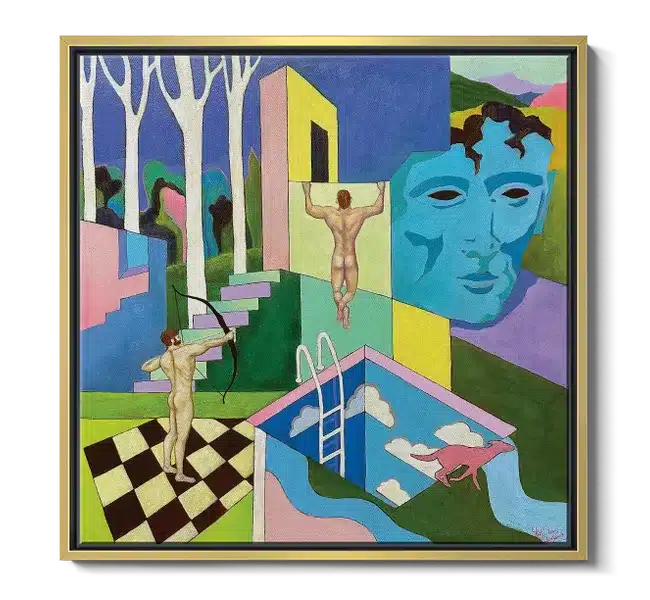
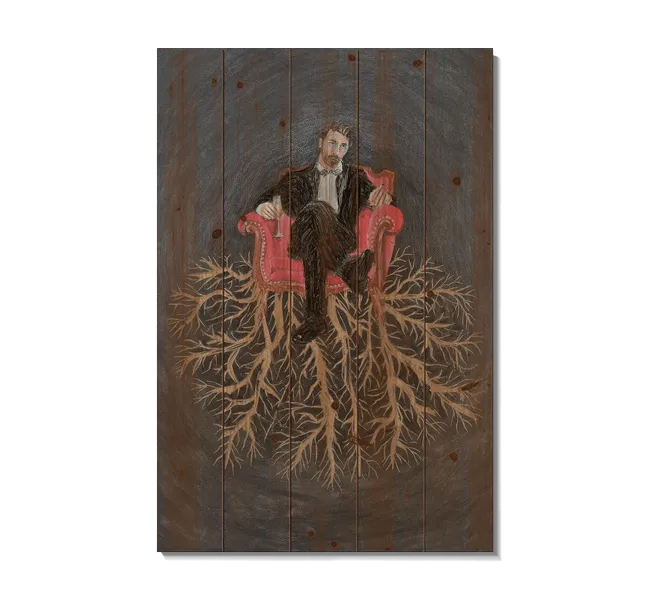
What is Pop Art?
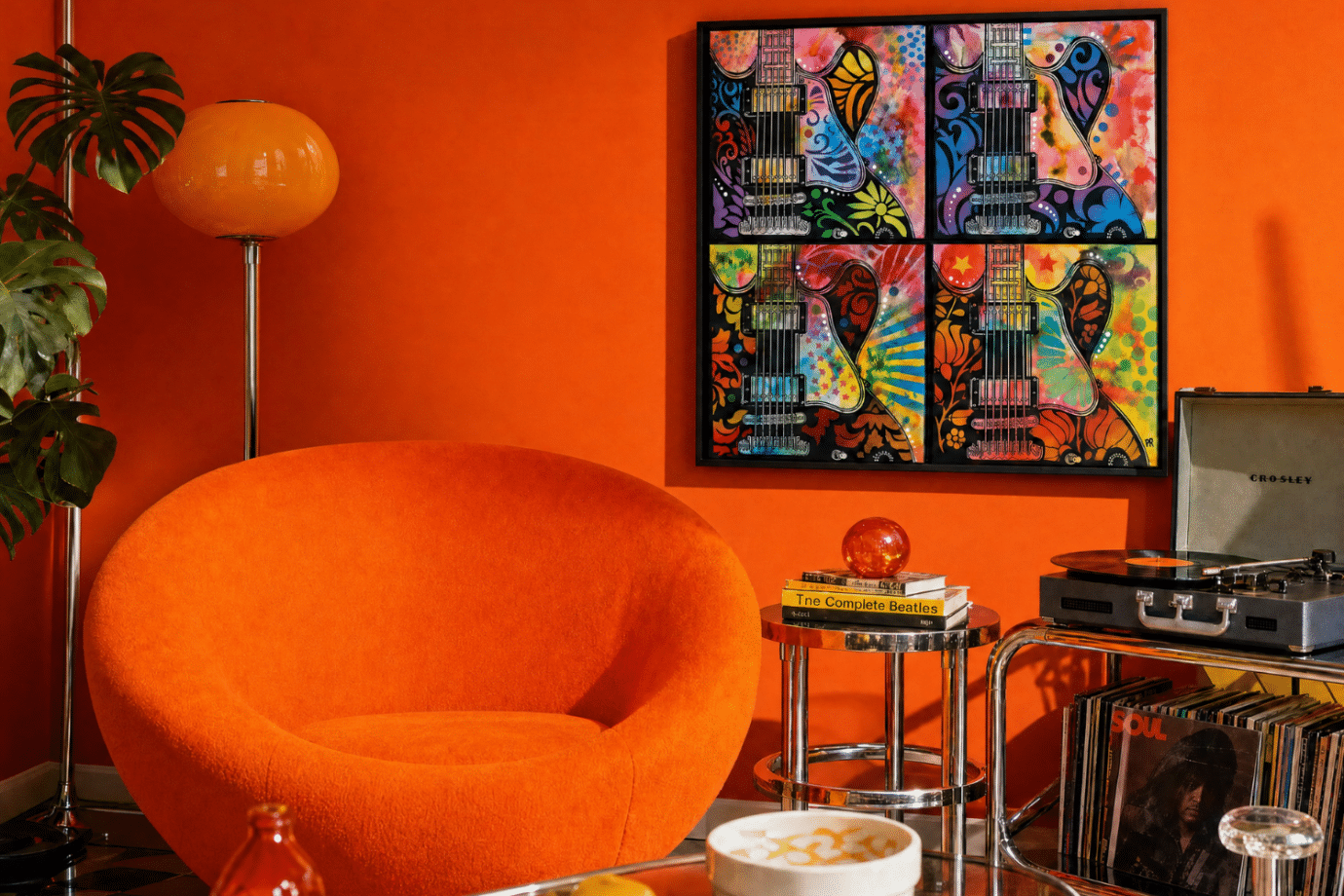
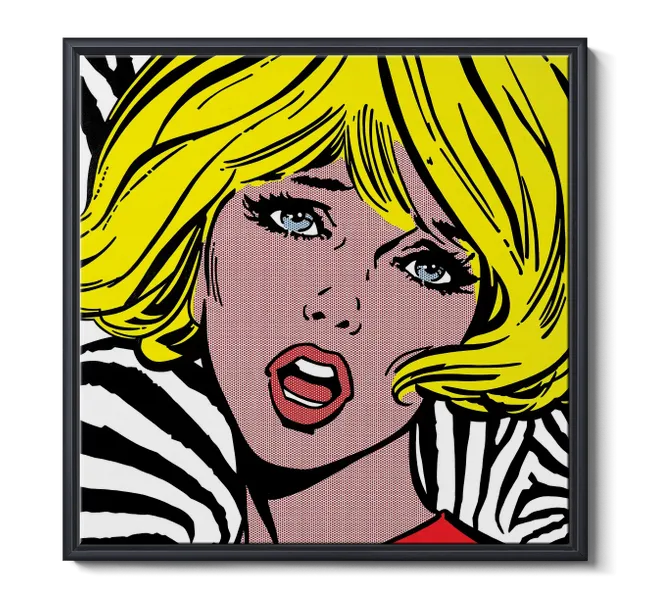
Pop Art flips the entire premise of “fine art” on its head. Instead of elevating serious, weighty subjects, it takes the most everyday, disposable images around, soup cans, comic strips, celebrity portraits, and treats them as worthy of a gallery wall.
It broke out in the US and UK in the 1950s and 60s, and no one is more synonymous with it than Andy Warhol, a former commercial illustrator who spent the decade blurring the line between fine art and advertising. His silkscreened Campbell’s Soup Cans and Marilyn Diptych weren’t just paintings, they were an argument that mass culture and celebrity deserved the same attention as anything hanging in a museum.
Pop Art brings instant energy into a space. It’s confident, a little cheeky, and it almost never reads as boring.
Pop Art Prints From iCanvas
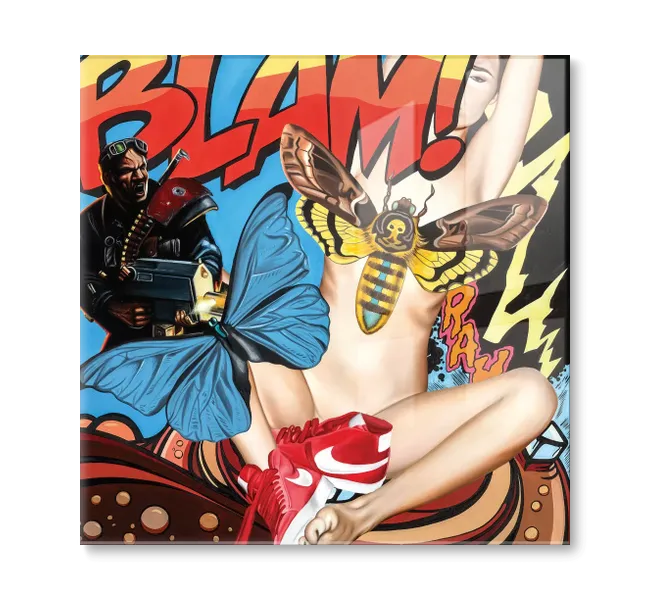

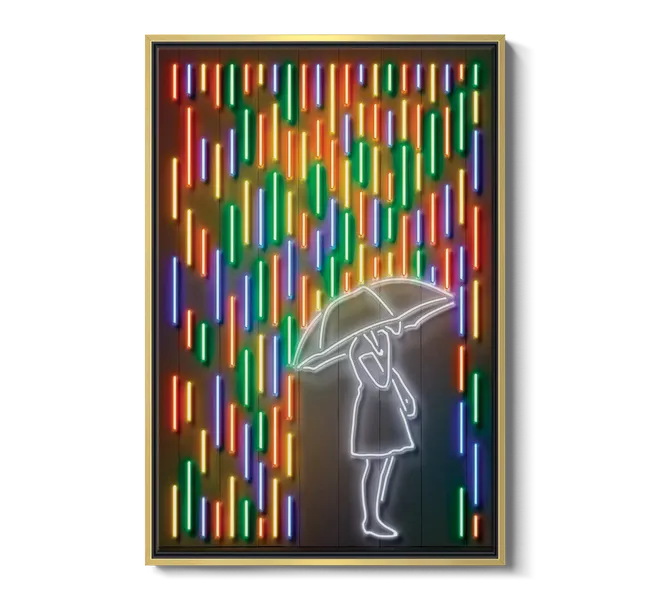
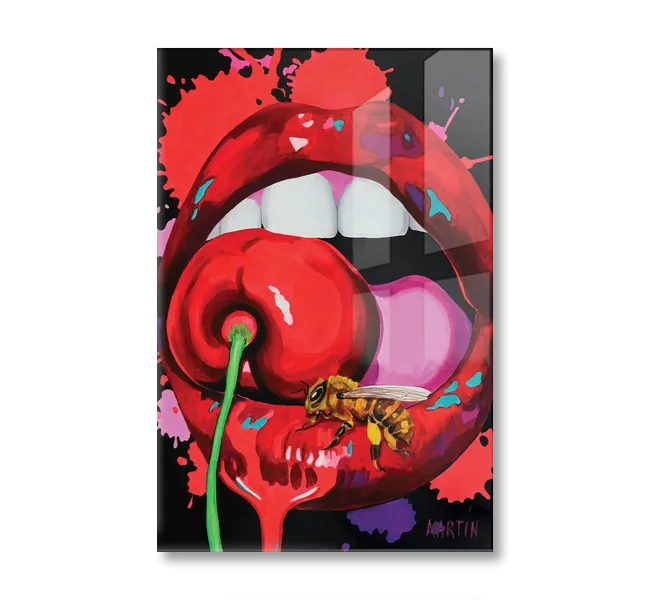
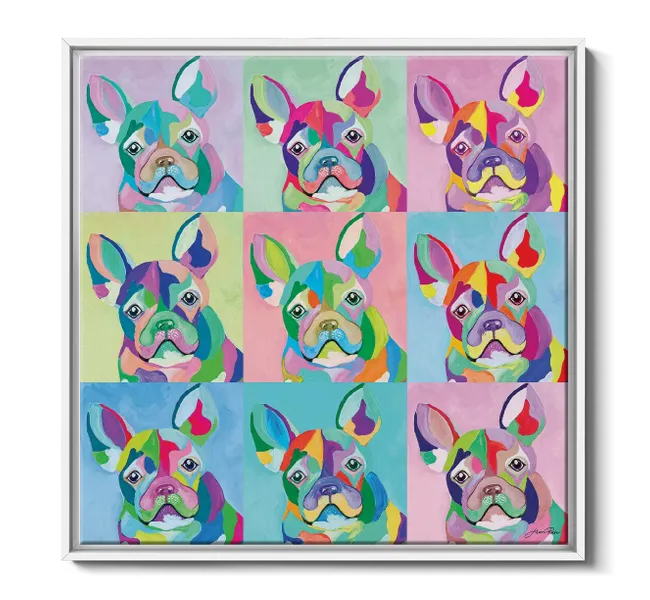
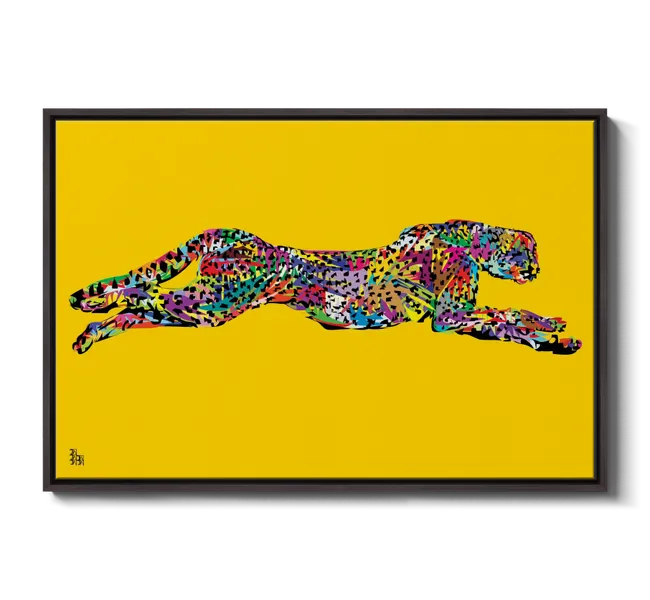
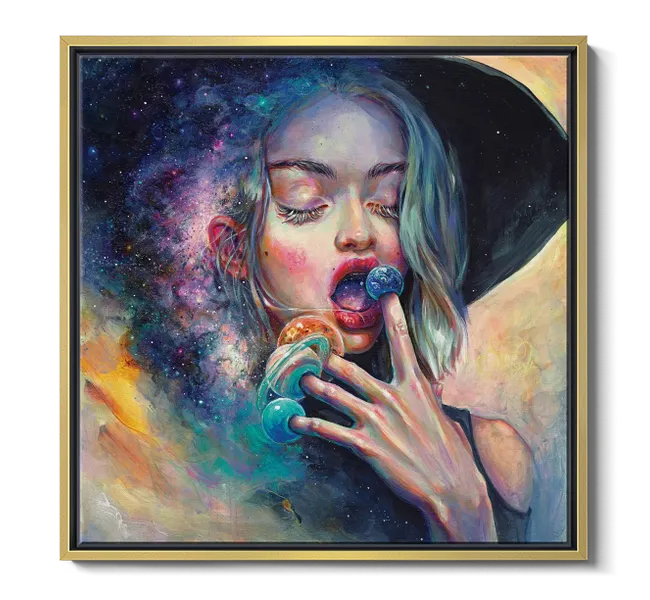
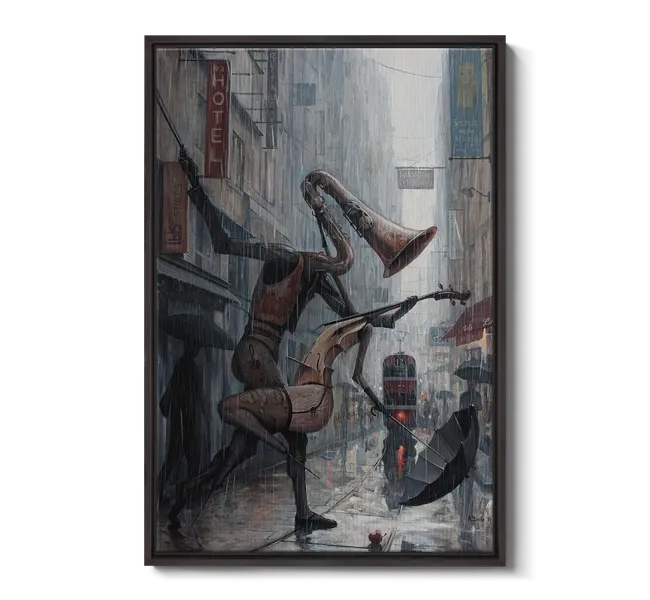
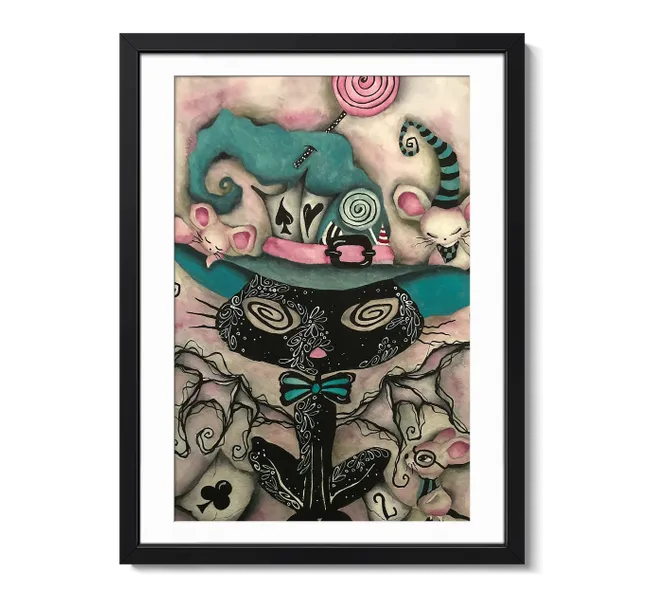
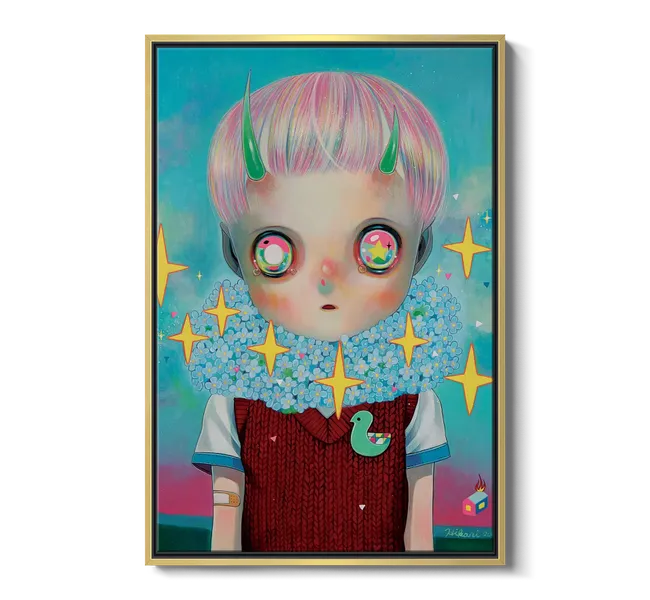
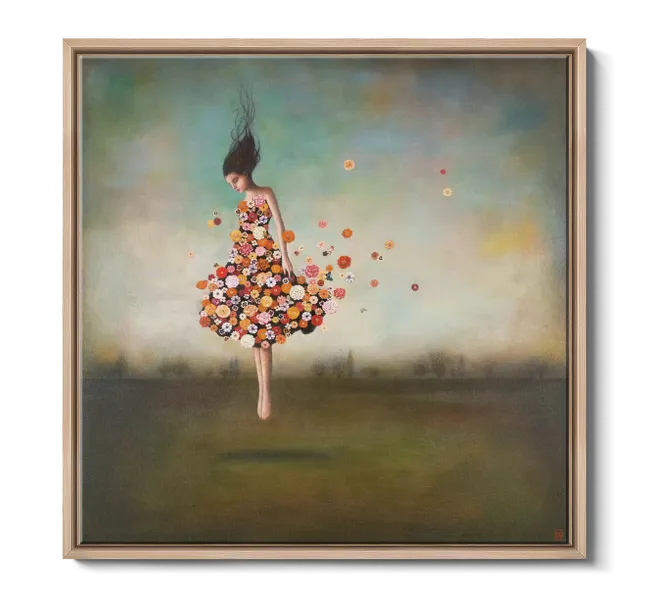
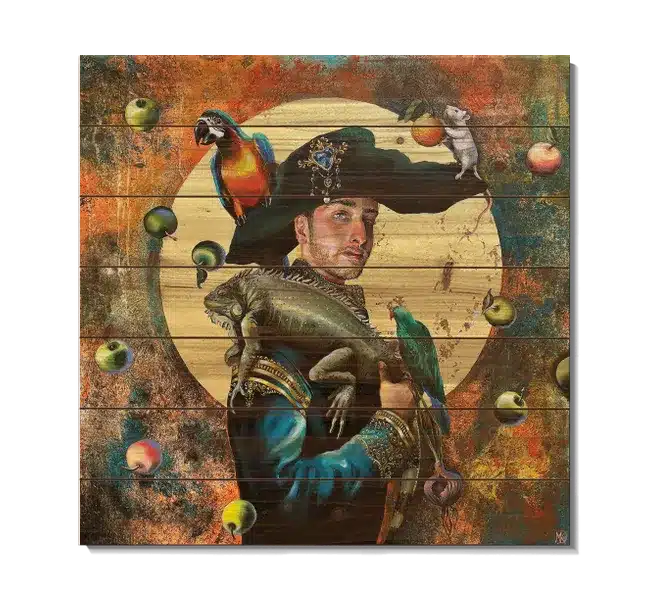
What is Pop Surrealism & Lowbrow Art?
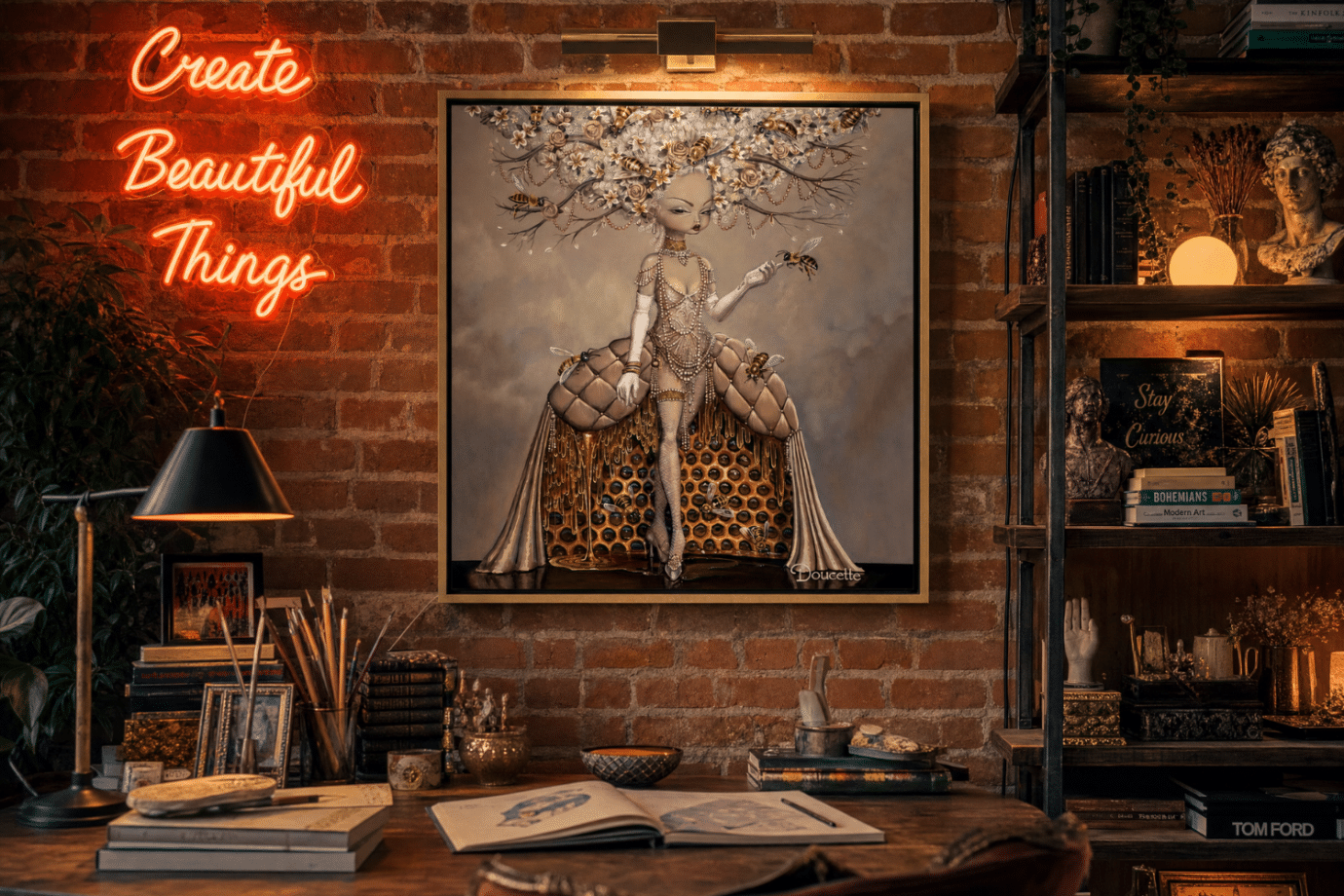
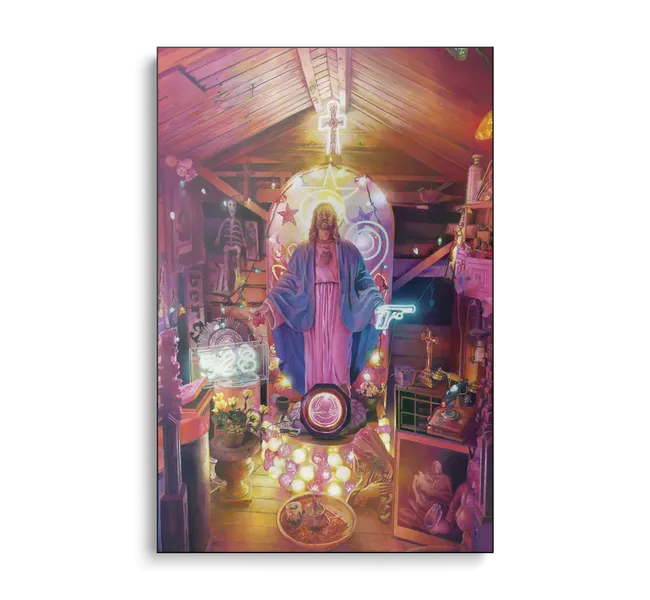
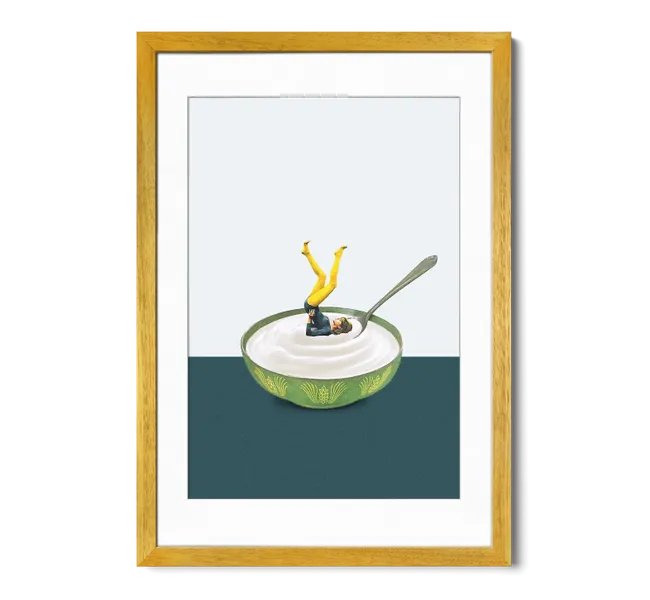
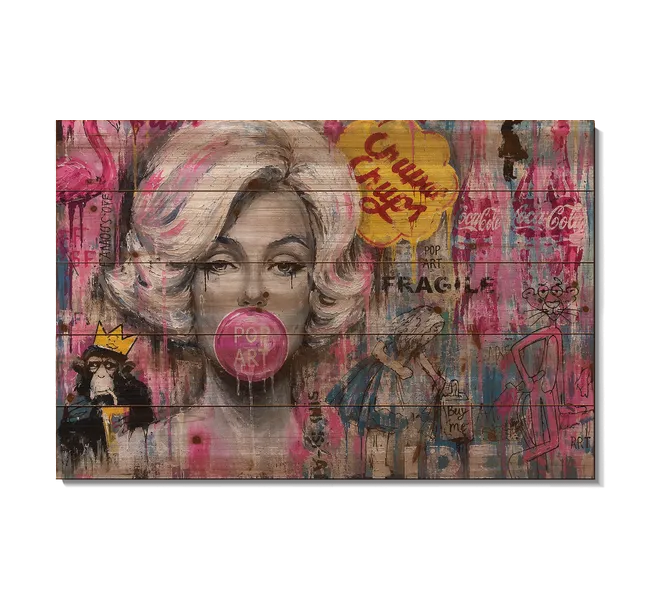
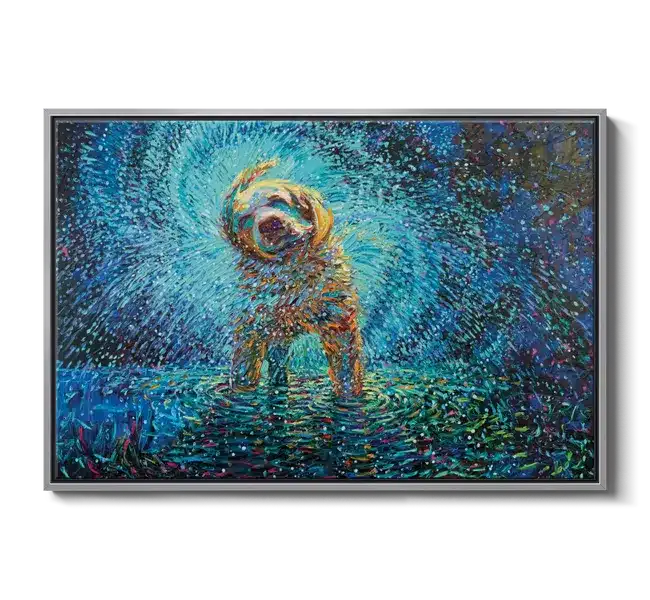
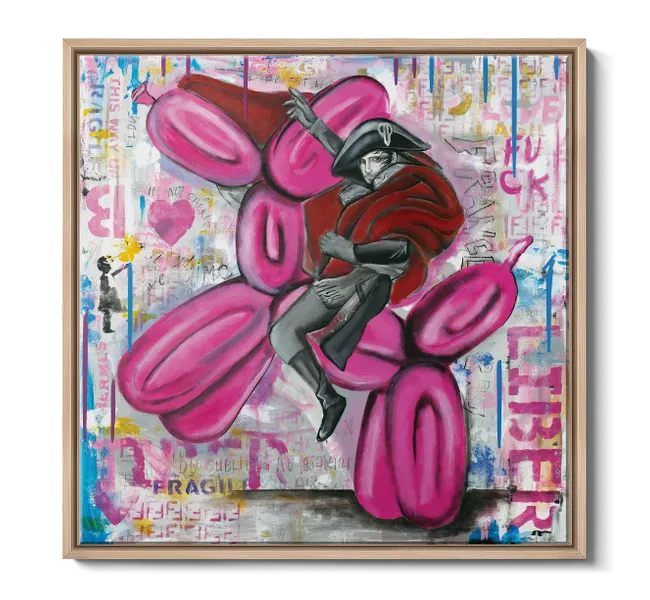
Consider this Pop Art’s rebellious younger cousin. Pop Surrealism and Lowbrow art grew out of Southern California’s underground comix, punk, and hot-rod scenes in the late 1970s, led by artists like Robert Williams, who literally coined the term “lowbrow” as a self-aware jab at the fine art establishment that wouldn’t show his work.
The name stuck, ironically, right around the time the movement stopped being ignorable. Williams went on to found Juxtapoz magazine in 1994, which became the best-selling art magazine in the country and helped push the style from underground zines into serious galleries, culminating in a Laguna Art Museum exhibition surveying 150 of its artists as a genuine, decades-long American art movement.
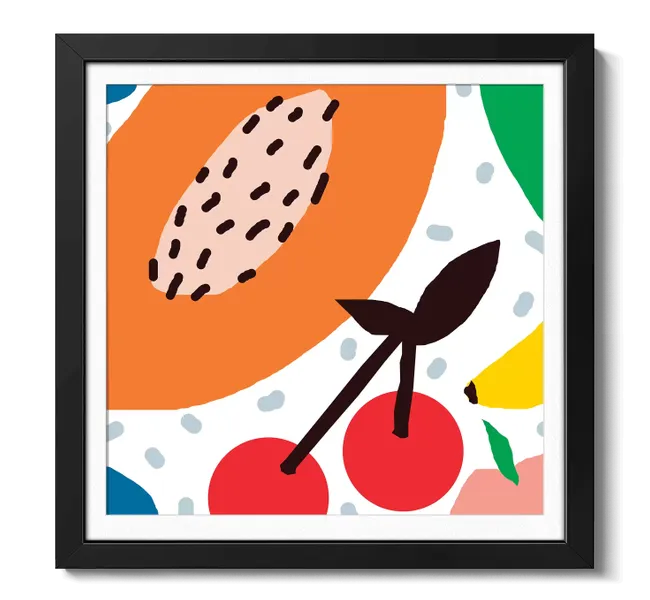
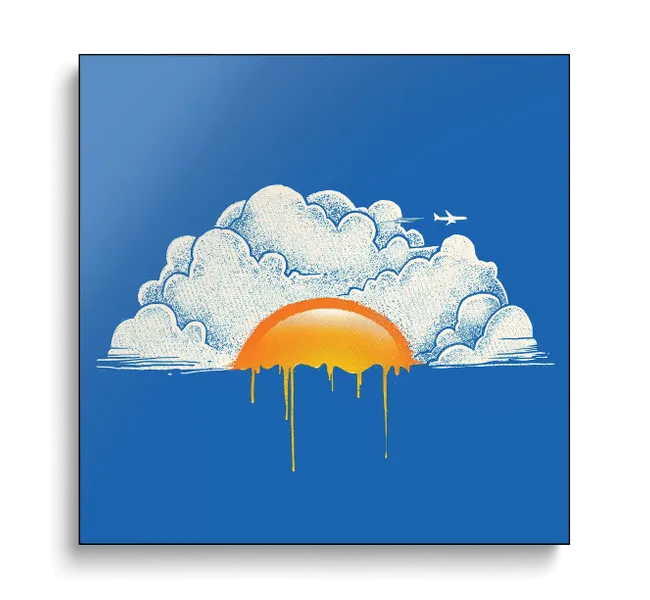
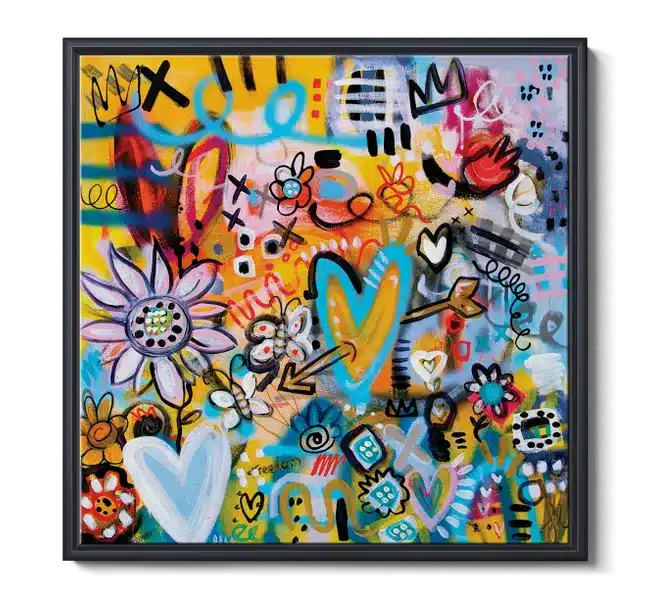
Expect vivid color, technical polish, and a strong current of dark humor. It’s a great fit for a creative studio, a home office, or any room where you want art that has a little bite to it. Learn even more about pop surrealism here.
Pop Surrealism & Lowbrow Prints From iCanvas

What is Contemporary Fine Art?
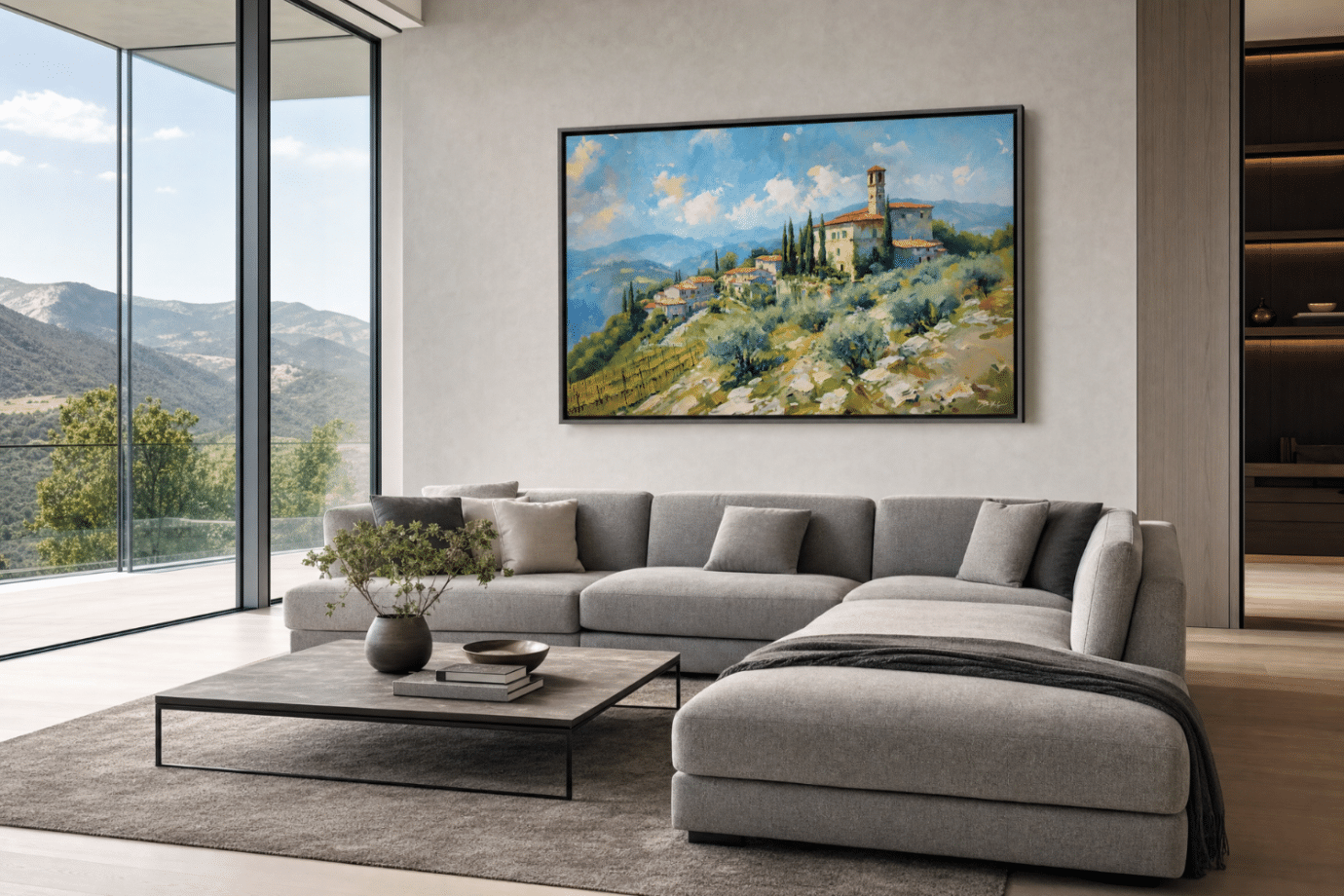
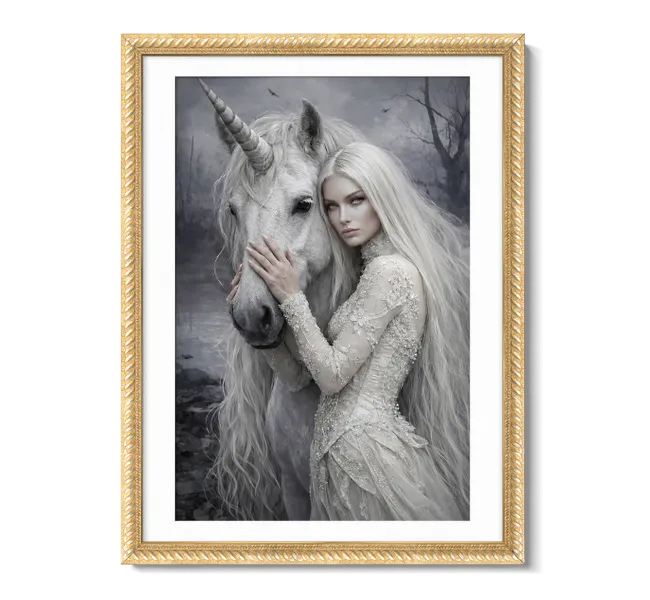
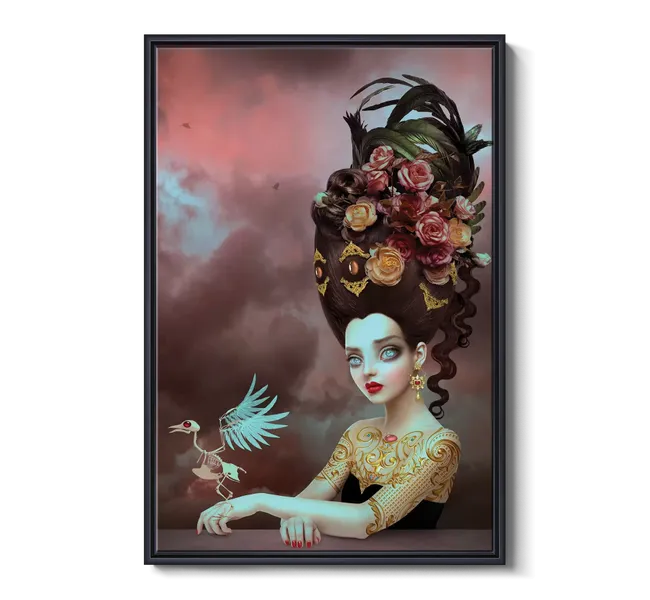
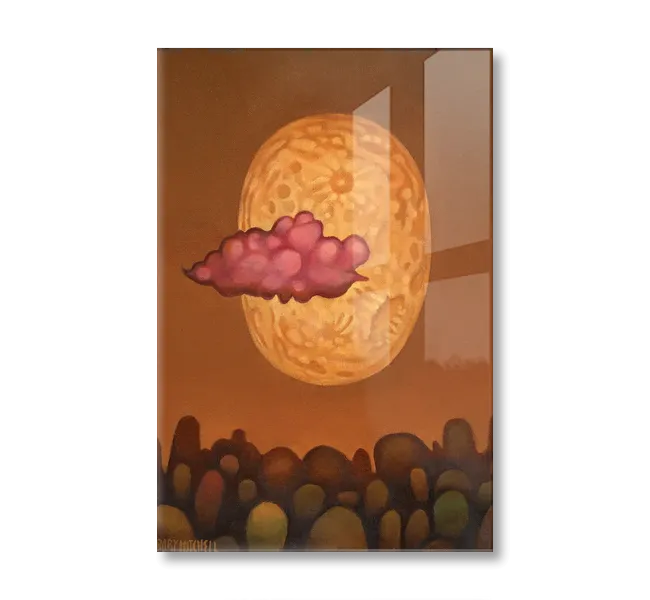
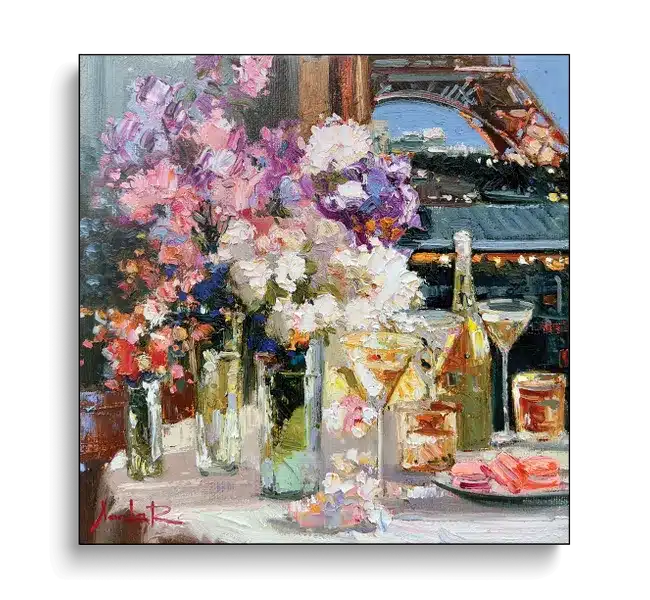
Contemporary Fine Art isn’t one look, it’s a moving target by definition. Museums themselves don’t even agree on when “contemporary” starts, with some drawing the line at 1947 and others resetting it every decade, which tells you everything about how this category actually works: it’s whatever serious, gallery-caliber artists are making right now. That means it borrows freely from everything on this list so far, pulling in abstraction, bold color, and experimental technique, without being tied down to any single set of rules.
That flexibility is exactly the point. Contemporary work is defined by present-day materials, present-day ideas, and a willingness to keep changing. It won’t look “dated” in five years the way a piece tied to a specific historical moment might, because it was never trying to look like anything but right now.
This is the category to browse when you want something that feels current and sophisticated without slotting into a specific art-history box.
Contemporary Fine Art Prints From iCanvas

What is Street Art?
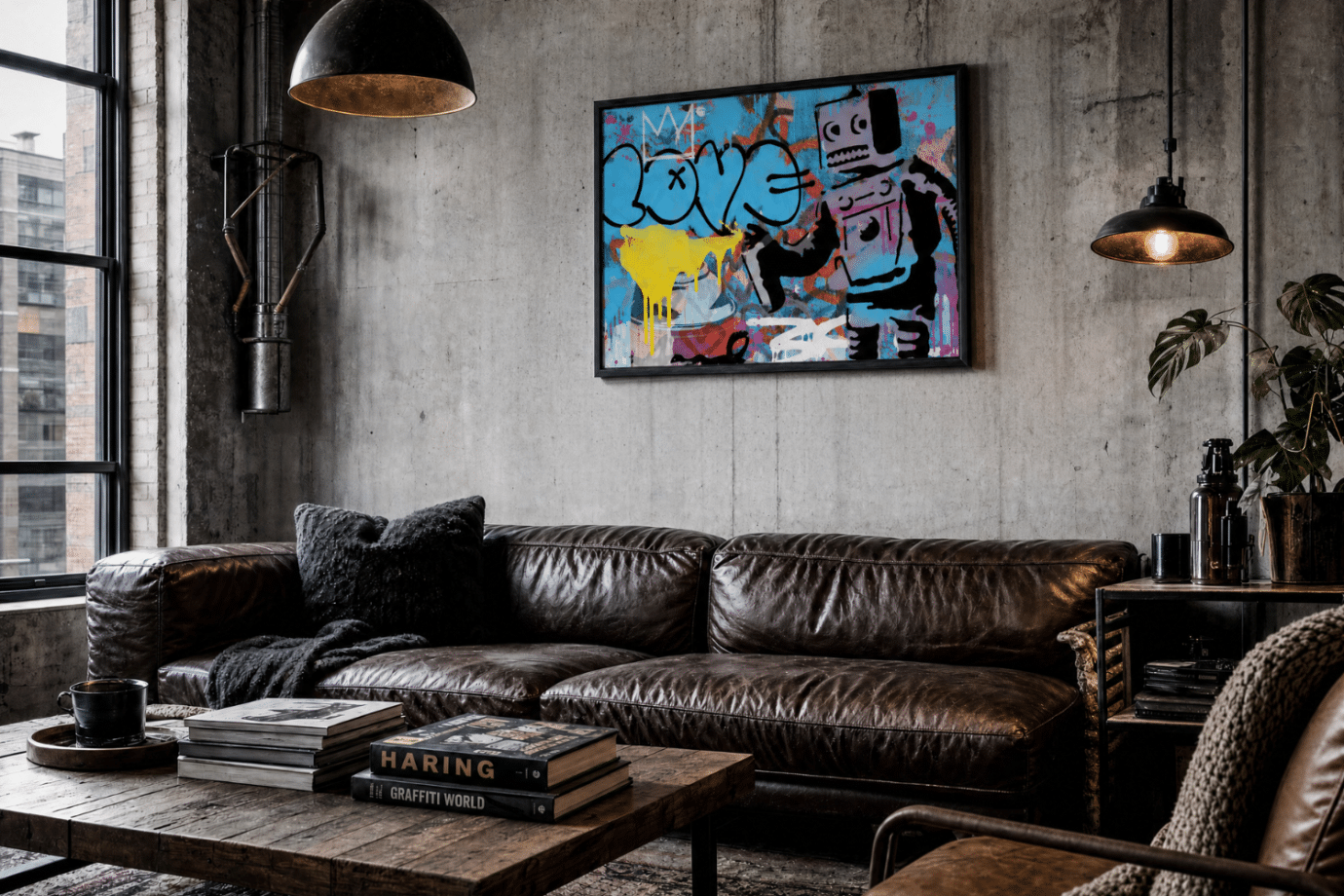
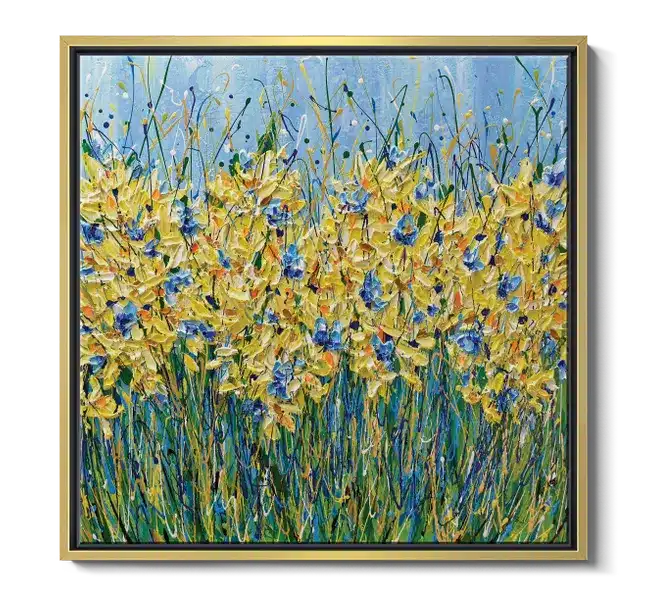
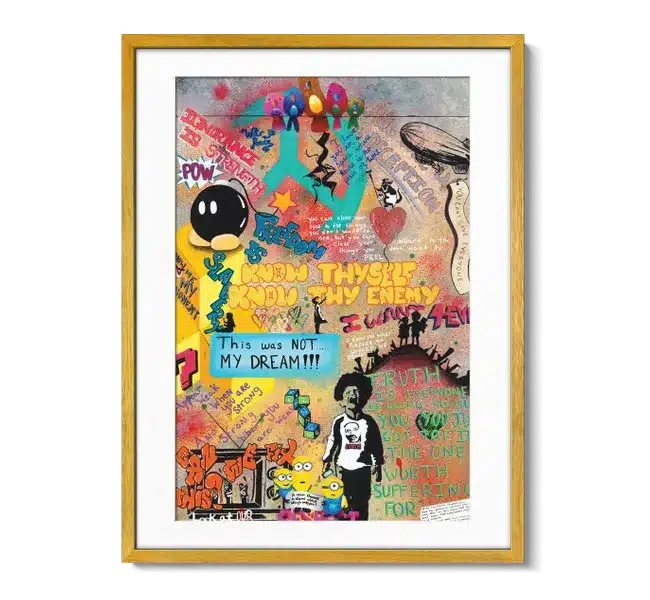
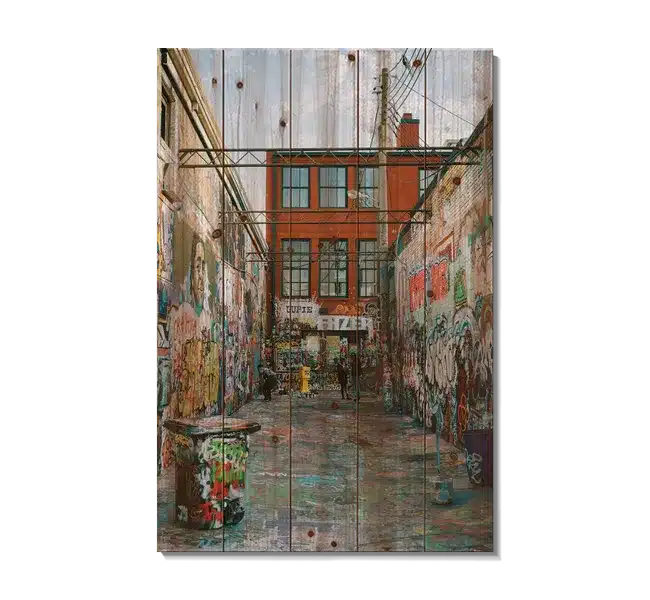
We’re closing on the boldest, most visually loud style, and that’s intentional. Street Art grew directly out of the New York graffiti scene of the late 1970s, when artists were tagging subway cars and buildings, often as a way to claim space and be seen in a city that otherwise ignored them.
Jean-Michel Basquiat is usually credited as the artist who carried that raw energy from the street straight into the gallery world, moving from his SAMO tag to canvases that sold for tens of millions of dollars within a few years of his death. Decades later, Banksy is doing a version of the same thing with stencils and a much bigger platform.
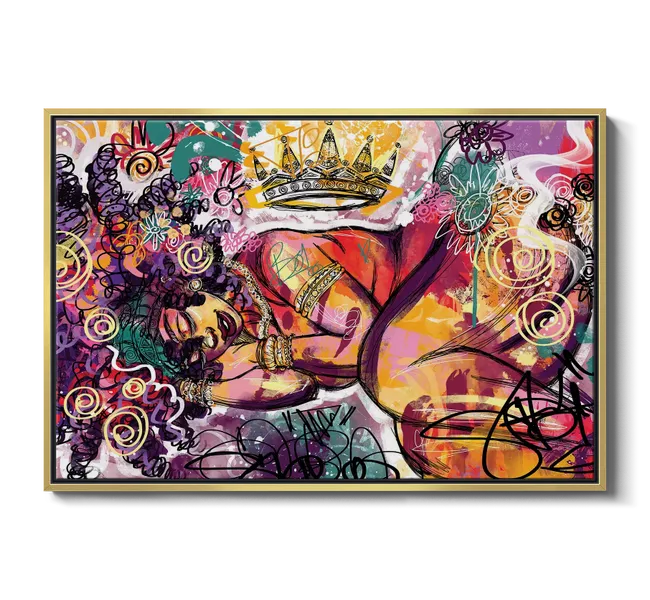
Street Art doesn’t whisper. It’s the right choice for a space that wants to feel edgy, current, and a little rebellious, an industrial loft, a home gym, a bar cart corner that needs an attitude. Learn even more about street art here.
Street Art Prints From iCanvas
Finding Your Art Style
You don’t need to memorize all these style to shop with confidence. Pay attention to which two or three descriptions made you nod along, and start there. Most people find their taste lands across a couple of these styles, not just one, and that’s exactly how the best-looking rooms get built: not by picking a single “correct” style, but by choosing pieces that say something true about how you actually want a room to feel.
Ready to see what any of these look like on your own walls? Browse the full collection and find the style that’s speaking to you.