
Why Textured Wall Art Is Trending (And How to Use It) | iCanvas
Textured wall art, pieces with real material depth that you can almost feel just by looking at them, is having a major moment right now. If your walls have been feeling a little… flat, you’re not imagining it. Interior design is shifting away from smooth, polished surfaces and toward art that actually has something to say up close.
And it’s not just a passing trend. It’s part of a bigger change in how people are decorating their homes: warmer, more personal, and a lot more interesting to look at.
Table of Contents
TL;DR: The Textured Wall Art Trend
Textured wall art adds depth, warmth, and personality to a room in a way that flat prints can’t. With interior design trending toward layered, natural, and lived-in spaces, materials like wood are leading the way. Wood wall art is one of the easiest ways to bring texture into your space without a full redesign.
Why Texture Is Taking Over Interior Design
For years, the default was clean lines, white walls, and minimal everything. It looked good in photos, but it didn’t always feel great to live in. Now, we’re shifting gears.
According to Homes & Gardens, designers are predicting a continued move toward natural textures, warm hues, and layered interiors in 2026. StyleBlueprint echoes this, noting that the overall direction in interior design is quieter, warmer, and more intentional, with collected pieces and layered textures replacing overly curated, cookie-cutter spaces.
What Is Textured Wall Art?
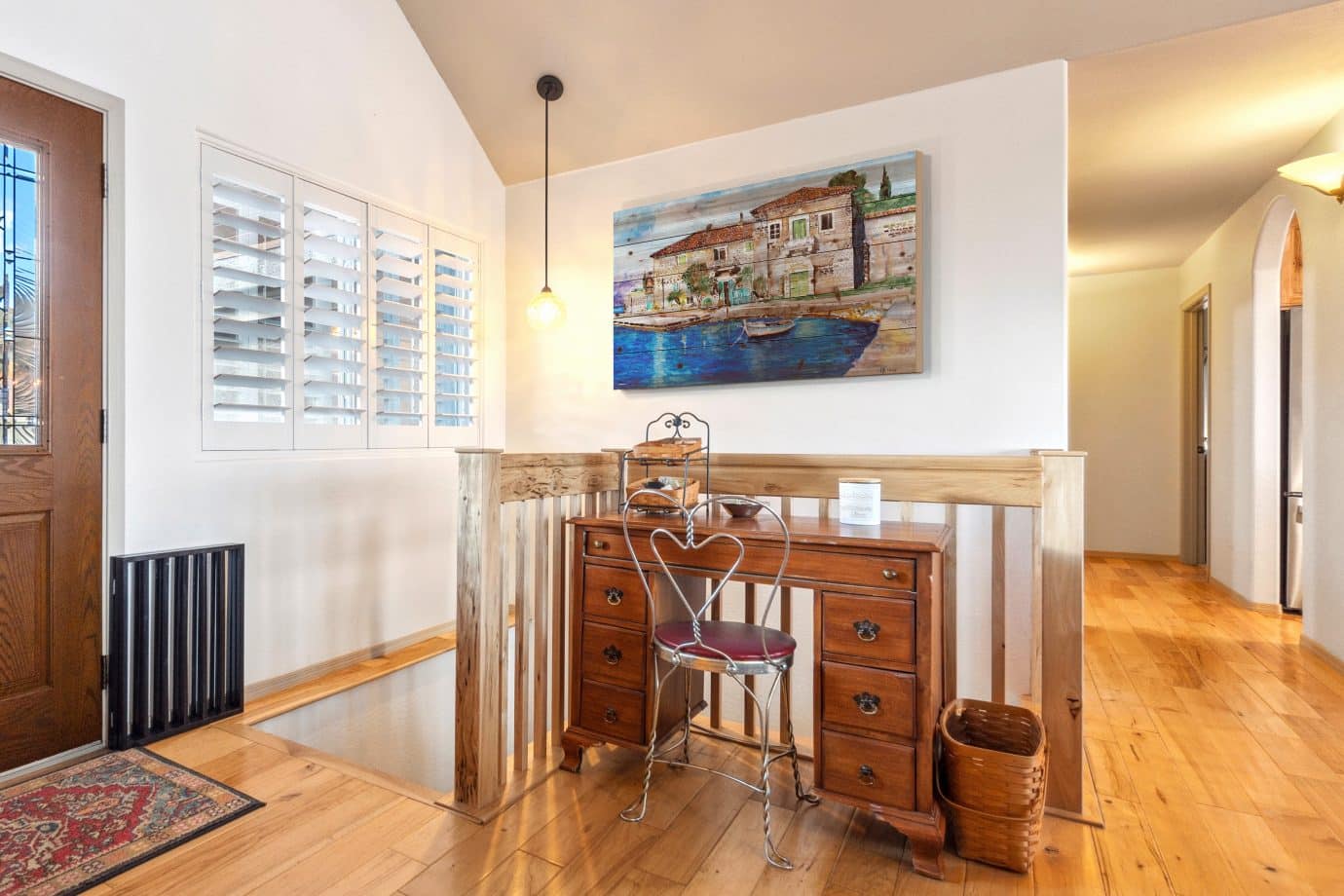
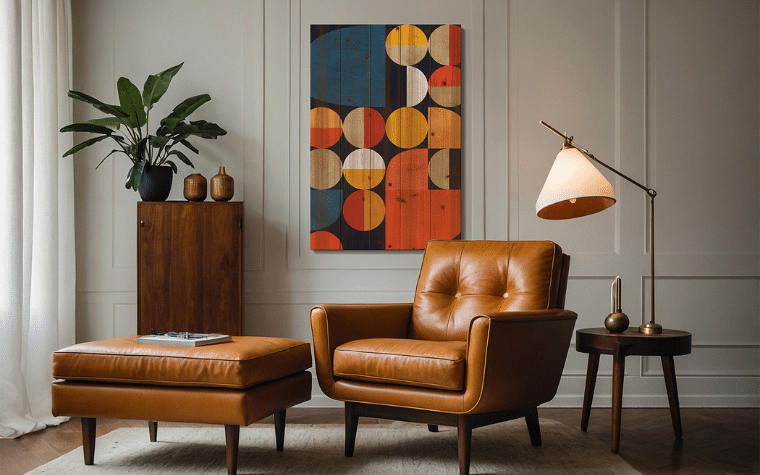
Textured wall art is any piece that goes beyond a flat surface. It’s art with visible material depth and something that catches light, creates shadows, or feels like it has real substance.
This can mean a lot of different things: art with the illusion of texture, woven fibers, layered mixed media, sculptural pieces, or art printed on a natural material like wood. What ties it all together is that the surface itself becomes part of the artwork.
Unlike a standard paper or canvas print, textured wall art engages more than just your eyes. It introduces a tactile quality that makes art feel more present in a room, even if you never actually touch it.
Why It’s Trending Right Now
1. Adds Depth Instantly
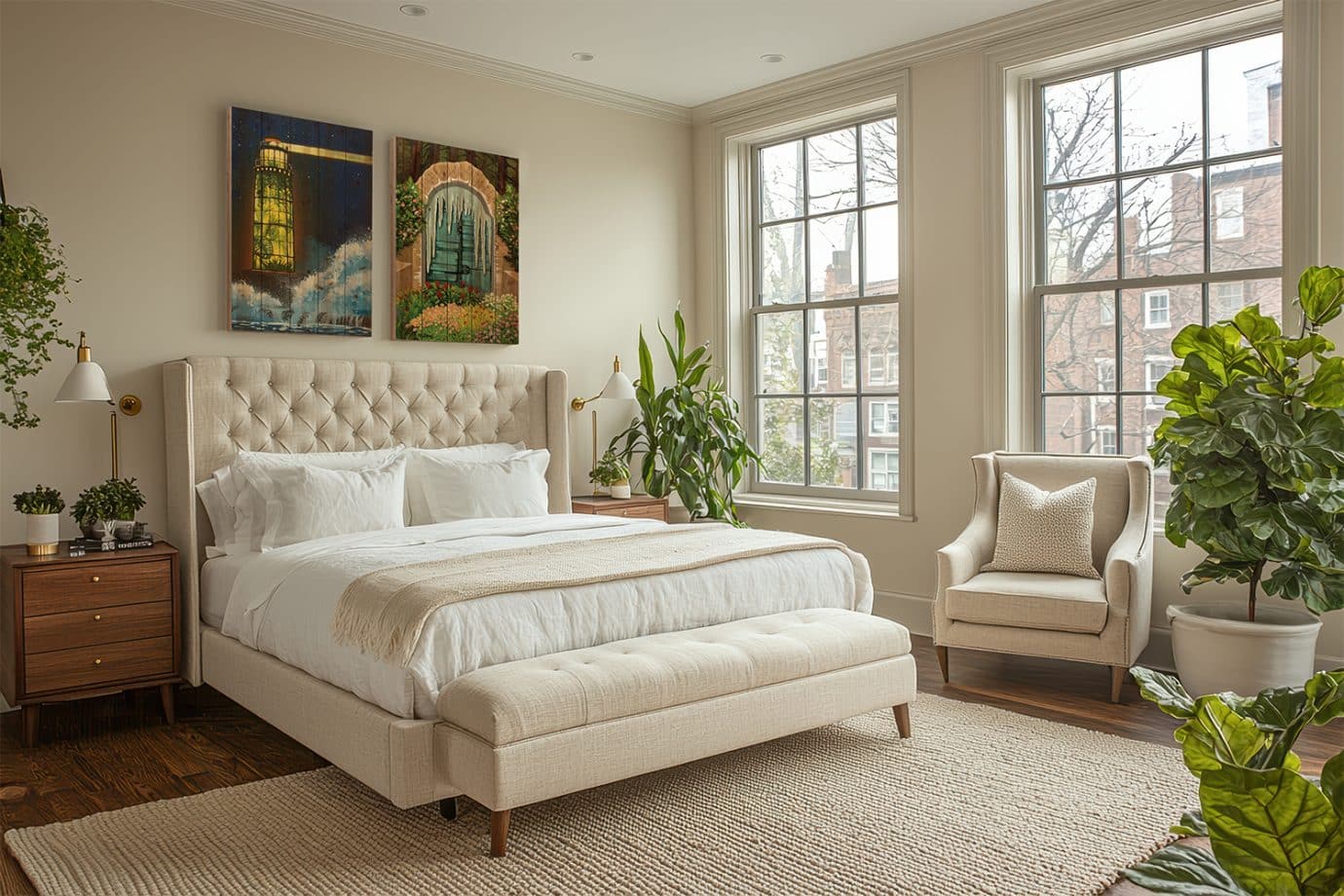
Textured art changes the equation immediately by creating visual weight and dimension. A single textured piece can turn a plain wall into a legitimate focal point without repainting, adding shelving, or installing anything complicated.
2. Brings Warmth Into a Space
There’s been a noticeable backlash against interiors that look beautiful but feel cold. The cool grays and stark whites that dominated for years are giving way to something softer. 2026 marks a shift away from cold minimalism toward spaces that feel lived-in, expressive, and rooted in meaning.
3. Highlights Natural Materials
Wood, stone, linen, and raw finishes are showing up everywhere, from furniture to wall art. Woodgrain describes 2026 as a year centered around creating spaces that feel connected to the natural world, with wood tones and tactile finishes taking the lead.
4. Feels More Personal
One of the clearest signals in 2026 design? Homes are becoming more personal and curated, with a focus on pieces that feel collected. Rather than being drawn to AI art, authentic pieces from independent artists are grabbing eyes.
Why Wood Wall Art Fits This Trend
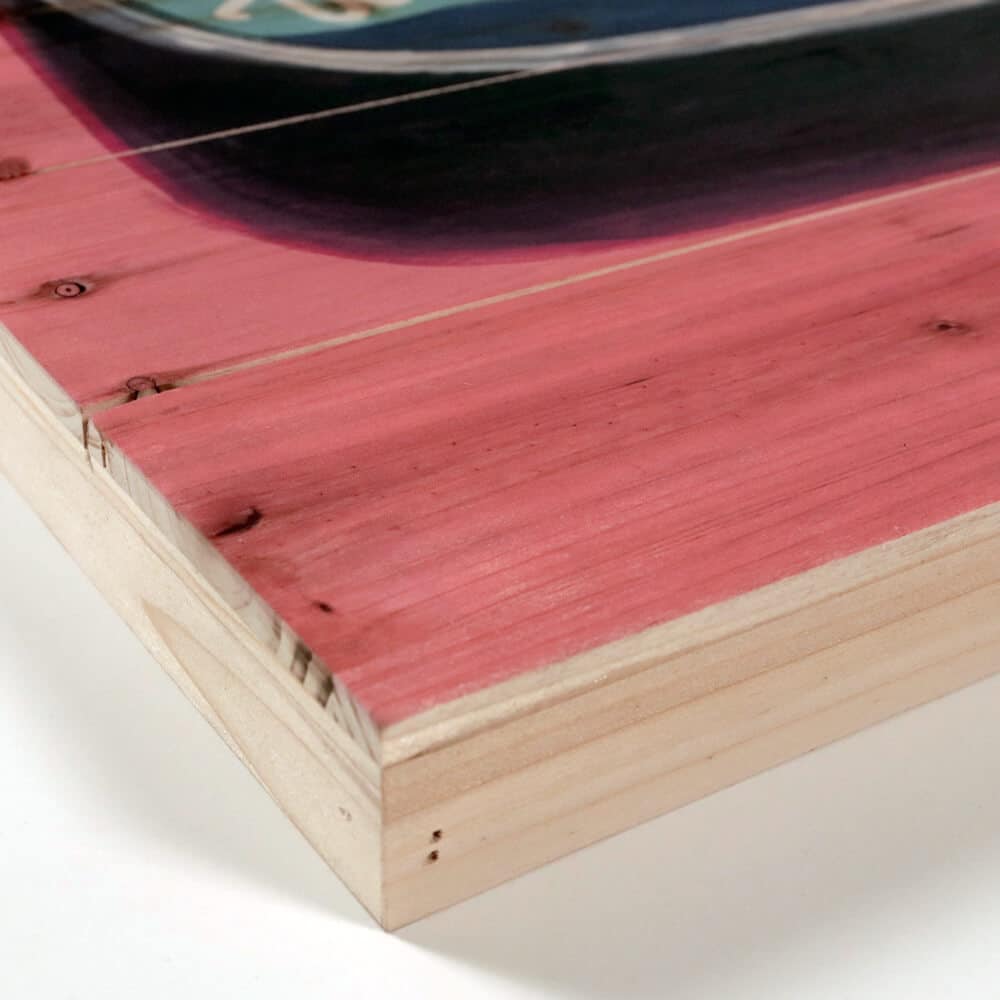
If you’re drawn to the idea of adding texture to your walls but aren’t sure where to start, wood is one of the most approachable options.
Wood art prints bring built-in texture through their natural grain, knots, and tonal variation. Unlike a smooth canvas or paper surface, wood has a material presence that adds dimension before the artwork even enters the picture.
What makes wood particularly versatile is that it works across styles. It’s not limited to rustic or farmhouse interiors. A wood print can feel just as at home in a modern, minimalist space as it does in a cozy cabin; it all depends on the artwork.
How to Add Texture to Your Walls
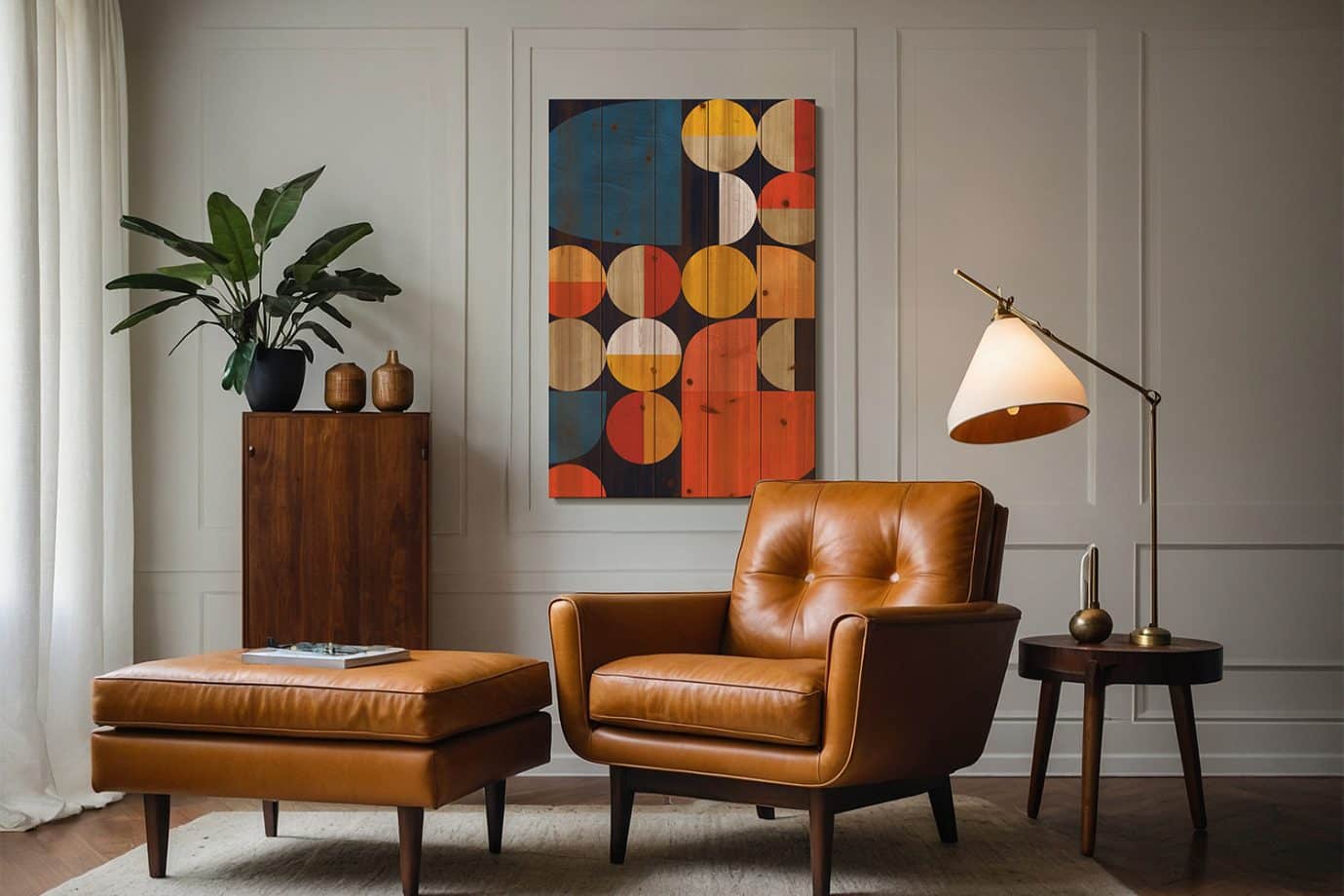
Ready to bring some texture in? Here are a few ways to do it well.
- Start with one statement piece. You don’t need to overhaul your entire wall situation. A single textured piece, like a wood art print, above a sofa, bed, or entryway console can anchor the whole room. Let it be the thing that draws the eye.
- Mix materials for a layered look. The best textured spaces aren’t all one thing. Try pairing a wood print with linen textiles, a woven basket, or a metal accent. The contrast between surfaces creates visual interest without making the room feel busy. Check out our rustic wall art ideas guide for some more tips.
- Keep your color palette simple. When texture is doing the heavy lifting, you don’t need your colors to compete. Neutral and earth-toned art tends to work especially well with textured materials because it lets the surface take center stage.
Bring Texture Home
Textured wall art isn’t about following a trend for the sake of it. It’s about making your walls feel like they belong to your space – layered, warm, and a little more interesting than a flat print.
Explore wood wall art that brings natural texture and dimension into your space.