
Artists Exploring the Struggles of Mental Health | iCanvas
Last Updated: May 4, 2026
Art about mental health doesn’t always look the way you’d expect. Some artists draw directly from their own struggles with anxiety, depression, or trauma. Others interpret the universal experience of being human in a world that can feel overwhelming. Either way, the result is work that makes invisible battles visible — and for anyone who’s been there, that kind of recognition can hit deep.
Artists have been channeling mental health into their work for centuries — from Van Gogh painting The Starry Night while living in an asylum to Edvard Munch’s raw depictions of dread and isolation. But today’s creators bring their own perspectives, mediums, and life experiences to the conversation. From surreal digital art to watercolor portraits, keep scrolling to find a new favorite artist.
Why Mental Health Art Matters
Seeing your own struggles reflected in someone else’s work can be one of the most validating experiences there is. Research has shown that engaging with emotionally expressive art can reduce feelings of isolation and help people process difficult emotions they might not have words for yet. It’s not about diagnosing or fixing, it’s about feeling less alone. That’s what each of these artists offers in their own way.
Sara Riches | Emotional Figurative Artist
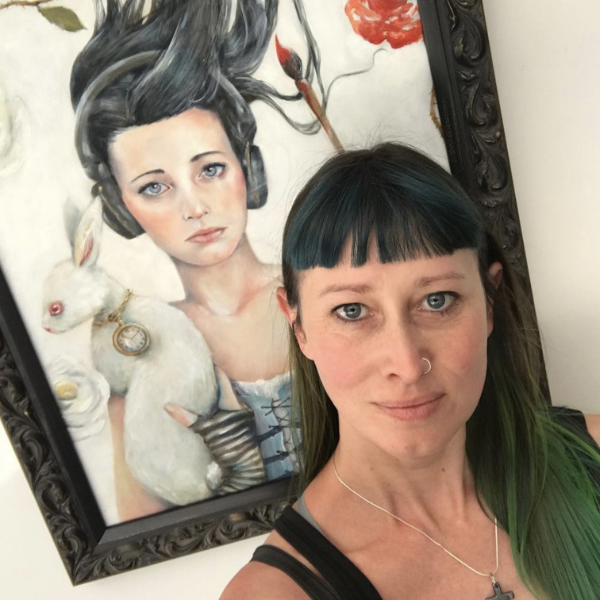
Using art as a refuge from the emotional isolation she experienced growing up in a restrictive religious community, Sara Riches creates vivid, figurative works that channel the complexities of mental health struggles. Drawing from personal experiences with trauma, resilience, and identity, her mental health art often reflect themes of inner turmoil, spiritual searching, and emotional release. Her use of flowing movement, soulful expressions, and symbolic elements conveys the silent battles many endure, offering viewers a raw yet hopeful exploration of healing and transformation through creativity.
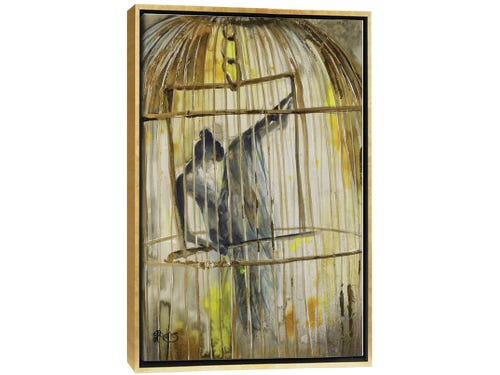
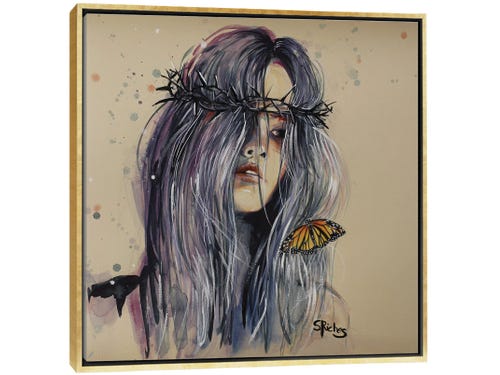
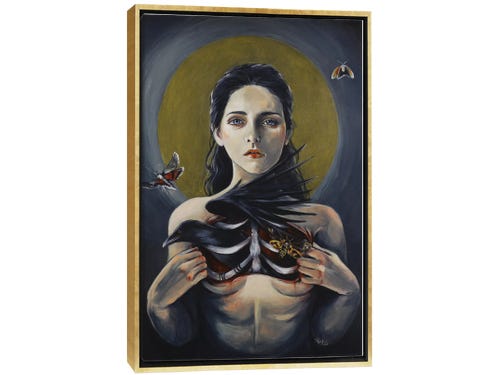
“Caged” A figure enclosed in rigid lines, caught between reaching out and pulling inward — the visual tension says what words often can’t.
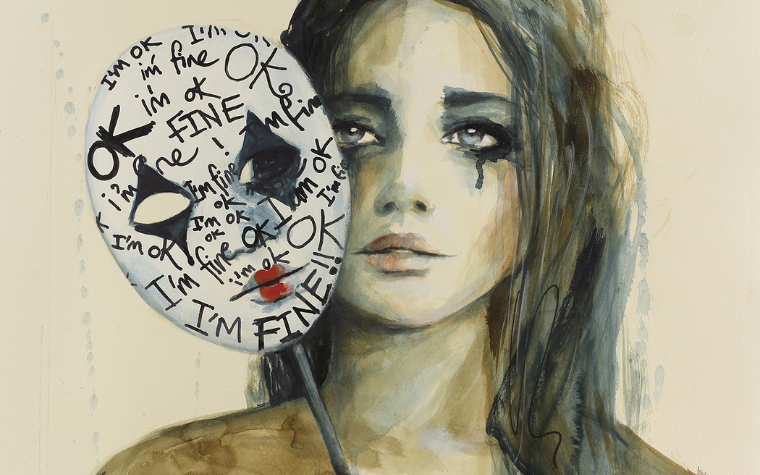
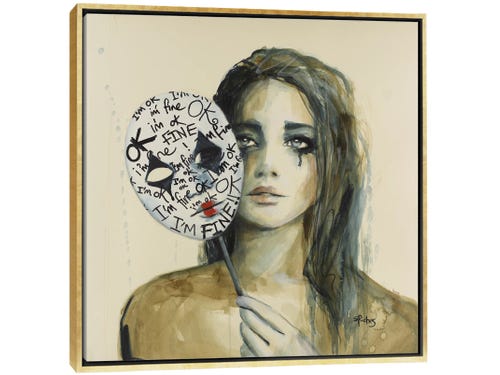
“I’m Ok” The title alone hits. Riches pairs it with an expression that says the opposite, capturing the mask so many people wear daily.
“Hurt” One word, no explanation needed. Riches strips the emotion down to its simplest form and lets the expression do the rest.
“Dead Inside” Riches doesn’t soften the language or the imagery here — it’s the kind of bluntness that makes you feel seen rather than shocked.
Click here to see all the ways Sara Riches showcases mental health struggles in her iCanvas artwork.
Pride Nyasha | Expressive Portrait Artist
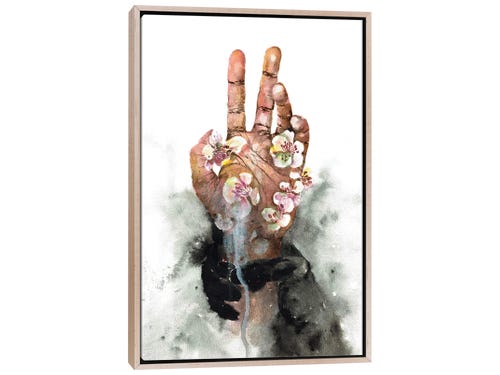
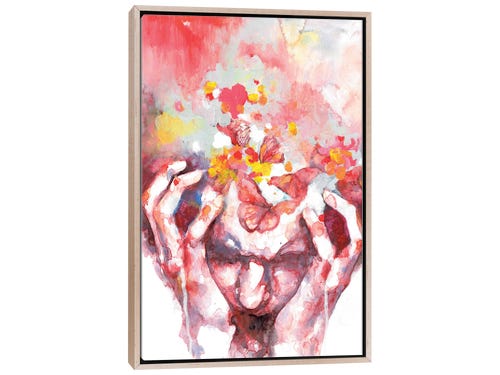
Exploring the emotional highs and lows that come with love and connection, Pride Nyasha creates art that delves into the mental challenges tied to vulnerability and relationships. Through expressive portraits and symbolic storytelling, his work captures the tension between longing, heartbreak, joy, and loss. Highlighting the internal struggles people face when navigating intimacy and trust, Nyasha’s pieces reveal the quiet battles of self-worth, emotional resilience, and the search for acceptance. HIs art becomes a visual diary of how deeply relationships can impact mental and emotional well-being.
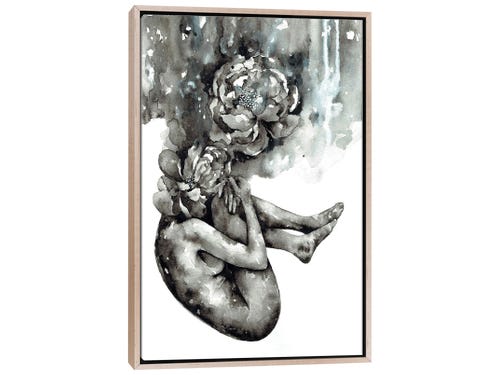
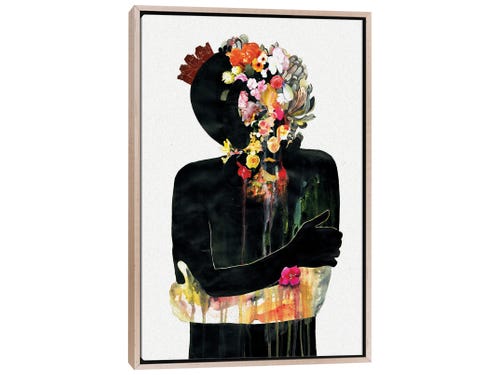
“A Loud Silence” That contradiction in the title is the whole point — the noise of unspoken feelings in a relationship where no one’s actually talking.
“Conflicted” The push and pull of wanting closeness while bracing for pain — Nyasha captures the emotional tug-of-war that happens before anyone says a word.
“Healing Is Difficult” No sugarcoating, no inspirational spin. Just a simple, honest statement that anyone in the middle of it can relate to.
“Making Sense Of It All” Sometimes the hardest part isn’t the heartbreak itself — it’s trying to understand what it meant. Nyasha gives that process a face.
Jack Avetisyan | Whimsical Figurative Artist
Blending whimsical distortion with raw emotional depth, Jack Avetisyan’s paintings explore the often-overlooked complexities of identity and internal struggle. His distinct characters, shaped by stylized exaggerations and ambiguous narratives, reflect the hidden battles people carry within themselves. By blurring the line between humor and vulnerability, Avetisyan captures the surreal ways mental health challenges can shape perception and self-image. His work invites viewers to find meaning in the fragmented, distorted moments of the human experience, revealing beauty in both imperfection and emotional honesty.
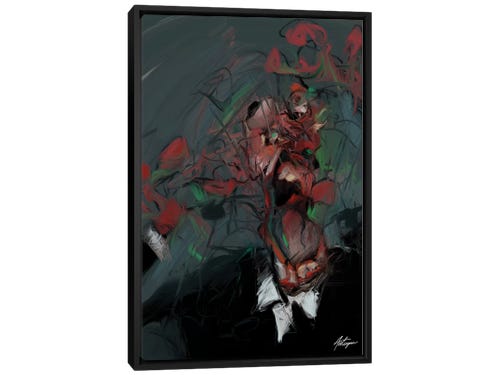
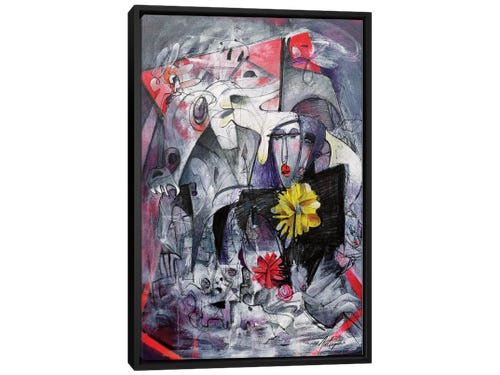
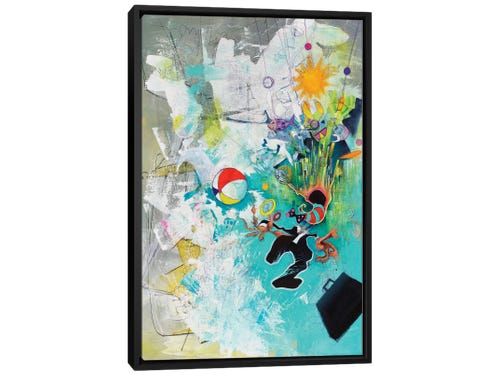
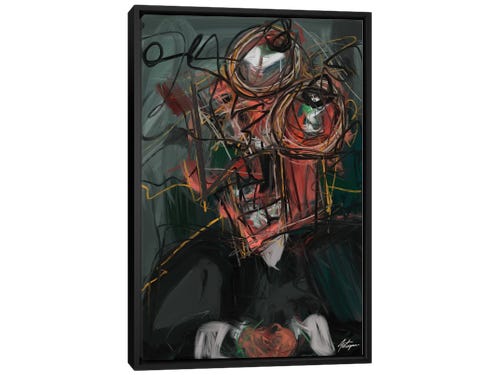
“Self Destruction I” The title is unflinching, but the painting treats the subject with unexpected tenderness — Avetisyan’s signature balance of heaviness and warmth.
“Turmoil” The distortion here isn’t random — it mirrors the way everything feels warped and off-center when you’re in the thick of it.
“Unraveling” There’s something deeply relatable about watching a figure come apart at the seams — especially when it’s rendered with this much care.
“Self Destruction II” A continuation of the first, but with a shift — like returning to the same struggle and finding it’s changed shape. That’s how it actually works.
Doriana Popa | Emotional Surrealist Artist
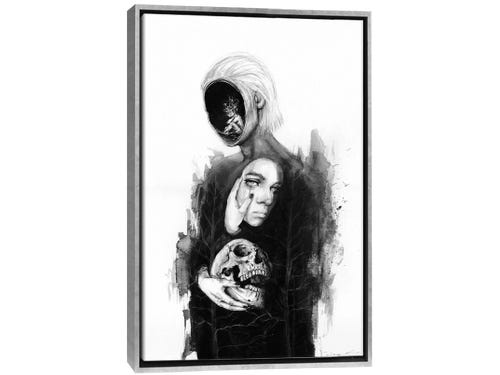
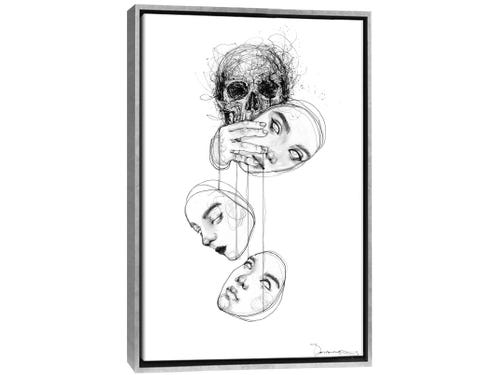
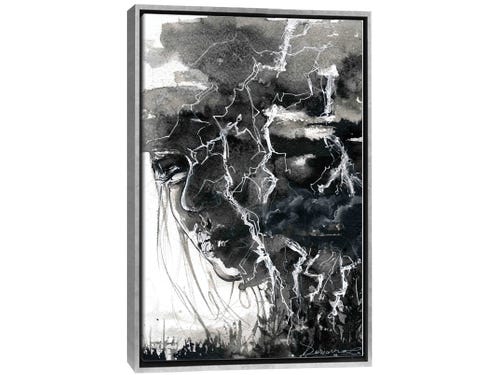
Blending linework, abstract forms, and hints of surrealism, Doriana Popa creates deeply emotive pieces that reflect the complexity of internal experiences. Inspired by her own emotional landscape and passion for mental health advocacy, Popa’s art captures the invisible struggles that often go unseen. Her subjects — whether people, animals, or dreamlike scenes — evoke a sense of vulnerability, resilience, and quiet introspection. Through layered textures and expressive detail, Popa invites viewers to explore the nuances of emotional healing and the courage it takes to confront one’s inner world.
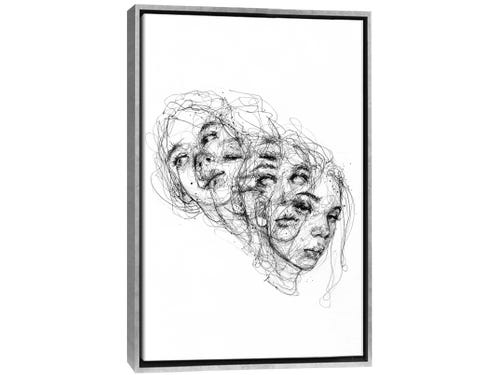
“Loop” The cyclical nature of anxiety and intrusive thoughts, visualized. Anyone who’s been stuck in their own head will recognize this one immediately.
“The Lost Soul” That feeling of being untethered — disconnected from yourself and everyone around you. Popa gives it form without trying to fix it.
“Pick” There’s a rawness to the title — the compulsive, almost involuntary way we pick at our own wounds, emotional or otherwise.
“Thunder” The emotional storm made visible — Popa captures that feeling of being overwhelmed by something you can’t outrun.
Victoria Olt | Surreal Watercolor Artist
Inspired by her lifelong anxiety and fear of expressing her feelings, Victoria Olt’s watercolors feature women and anatomical hearts, often combined with flowers and symbols. Showcasing her subjects in grayscale surrounded by the bright colors of the world, she emphasizes on the numbness of depression and feelings of disconnection people can have despite the vibrancy around them. Revealing what we “hide inside” she uses sorrowful facial expressions and emotional print titles that result in powerful yet vulnerable depictions of mental challenges.
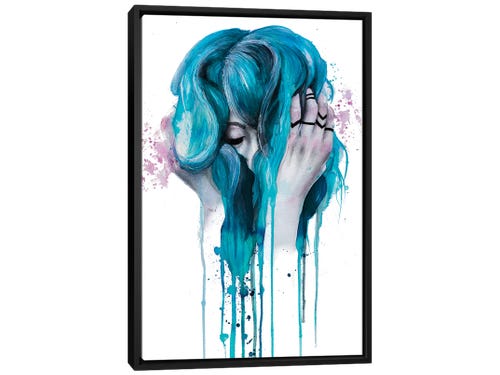
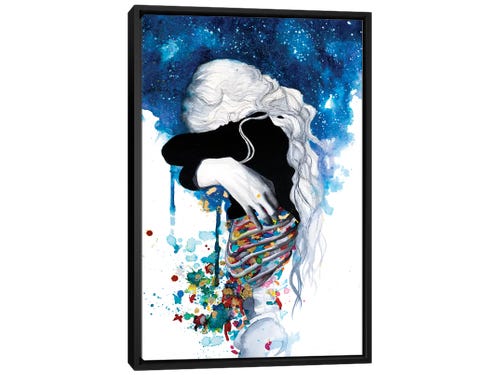
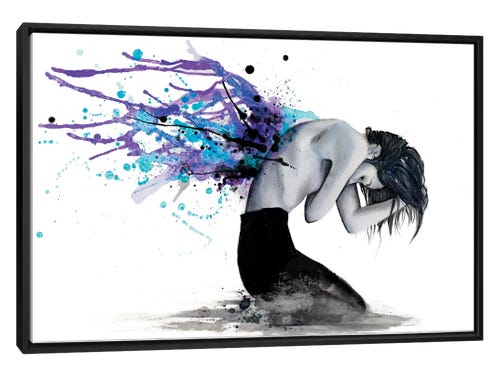
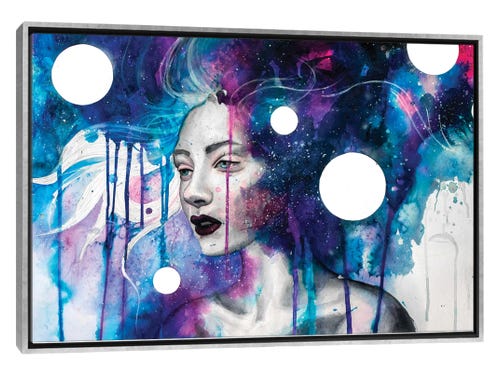
“Who I Used To Be” A title that carries so much weight on its own. Olt’s grayscale figure against color captures the distance between who you were and who you’ve become.
“Anxiety” The contrast here — a still, muted figure surrounded by bursts of color — is exactly how it feels to be frozen while the world keeps moving around you.
“Fallen” Olt’s watercolor technique makes the emotion feel delicate and permanent at the same time — like a bruise that never quite fades.
“Melancholia” The word itself feels heavy, and Olt leans into that weight. This one sits with you — the kind of sadness that doesn’t ask for attention but fills the room anyway.
Mario Sanchez Nevado | Symbolic Fantasy Artist
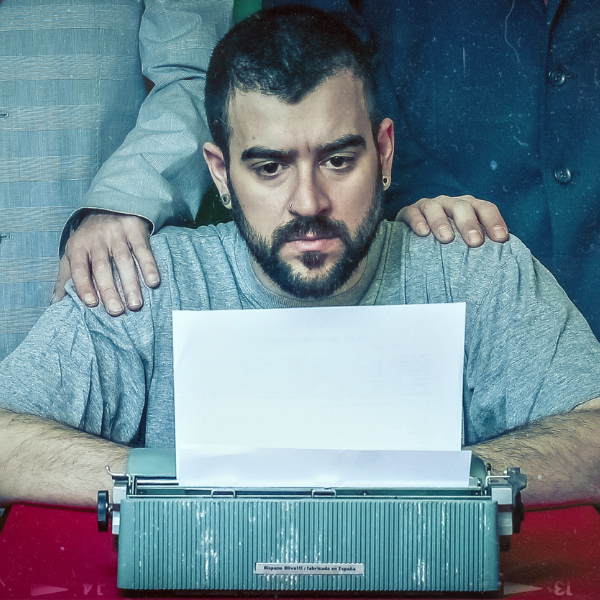
Taking inspiration from all things creative and conveying what he feels as a human being in this world, Madrid-based mental health artist Mario Sanchez Nevado creates digital illustrations of people, nature, and objects that blend fantastical elements with modern symbolism. Highlighting the connection between ourselves, our mental health, and the world around us, he portrays the detrimental effects these emotions have on our bodies. Through striking creations with wounded flesh, surreal settings, and views inside of minds, he brings a level of intensity that makes us stop and think.
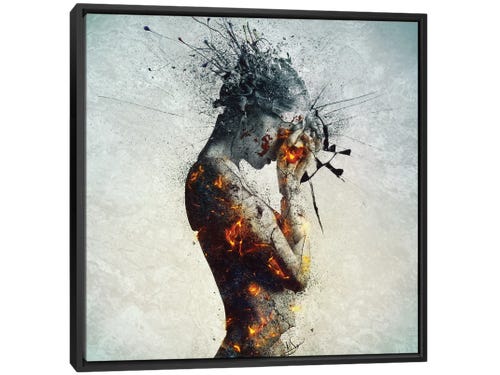
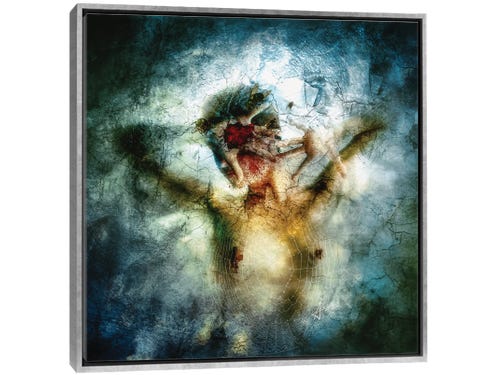
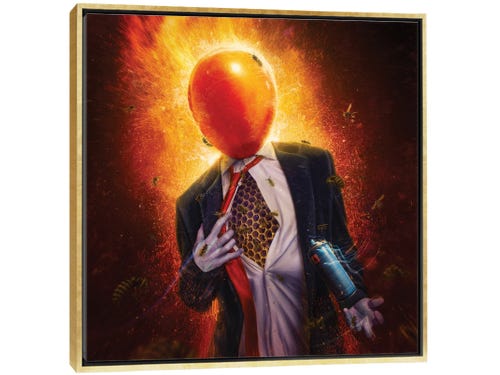
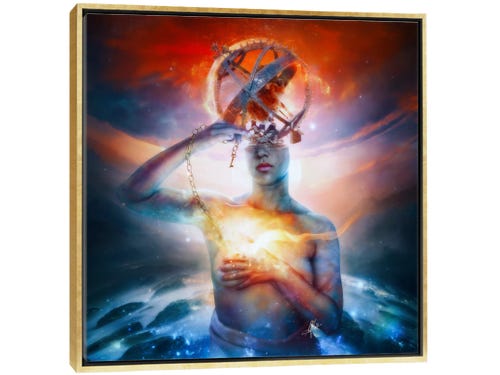
“Deliberation” The internal debate that never seems to resolve — Nevado externalizes the exhausting process of overthinking every thought and decision.
“I Break” The physicality of it — a body literally fracturing — takes an abstract feeling and makes it visceral. Nevado doesn’t let you look away.
“Anxiety” Where Olt’s take on anxiety is quiet and muted, Nevado’s is loud and consuming — proof that the same condition can look completely different depending on who’s experiencing it.
“Invisible” One of the most common descriptions people use for how mental illness feels, turned into a visual that makes that invisibility impossible to ignore.
Deandra Lee | Portrait Photographer
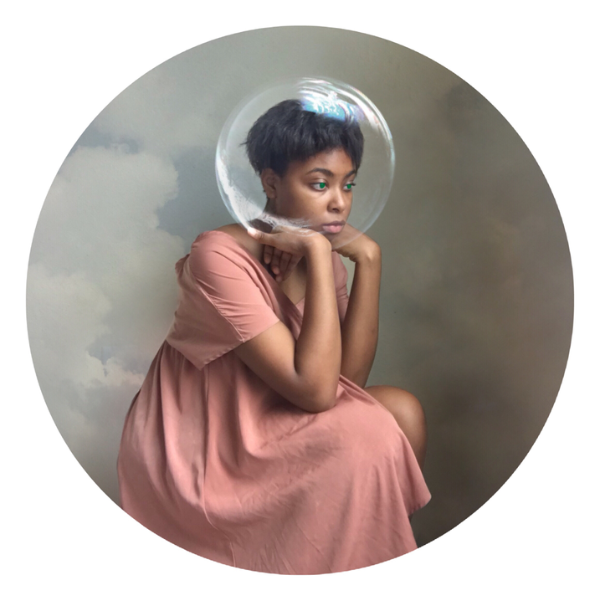
Wanting people to wonder about themselves, others, and the world we live in, Deandra Lee’s self-portrait photography features scenes with birds, rain, flowers, and other natural elements. Using herself as the subject, her photos show a surreal interpretation of each emotion. Often incorporating symbolic birds associated with freedom and clouds representing moods, she brings feelings of curiosity and helps people experience what these emotions feel like.
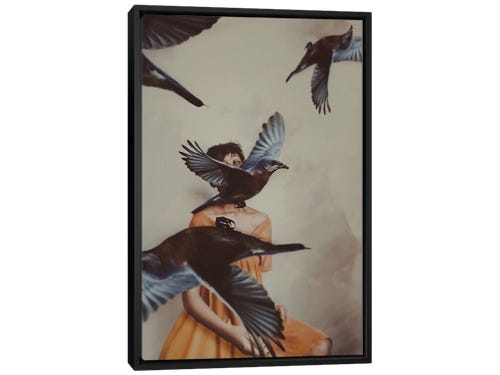
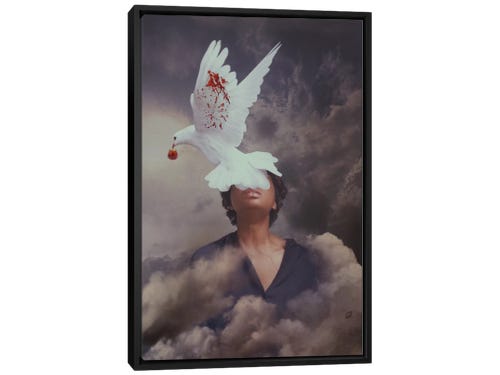
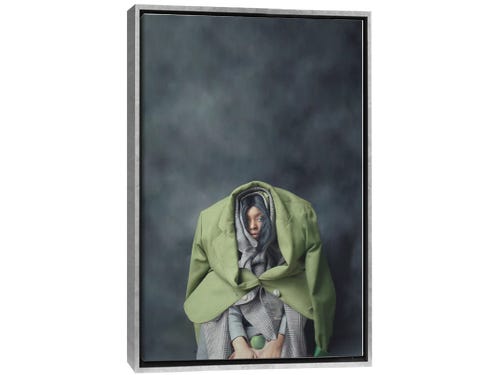
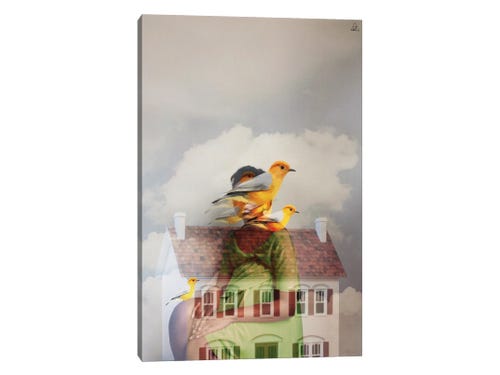
“Falling Apart” Lee uses her own body as the canvas here, and the vulnerability of being both artist and subject makes the emotion land harder.
“Fears” Birds appear again here, but this time they feel less like freedom and more like the anxious thoughts that circle overhead and won’t leave you alone.
“Shell” The idea of retreating into yourself, made literal. There’s comfort and confinement in the same image.
“Comfort Zone” The place that keeps you safe but also keeps you stuck. Lee captures that tension — the warmth of familiarity and the cost of staying too long.
Click here to see all the ways Deandra Lee showcases mental health struggles in her iCanvas artwork.
Jaymie Metz | Digital Artist
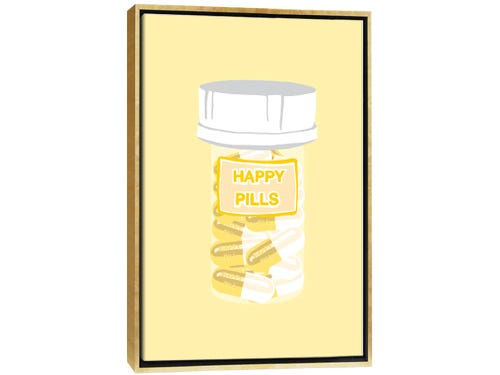
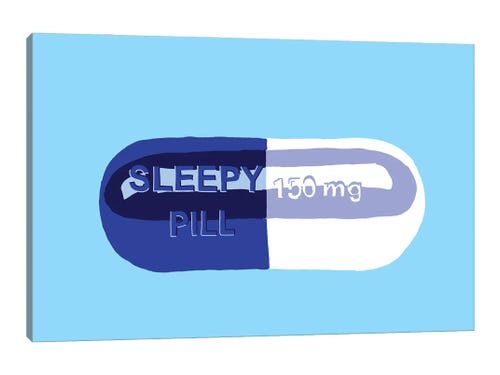
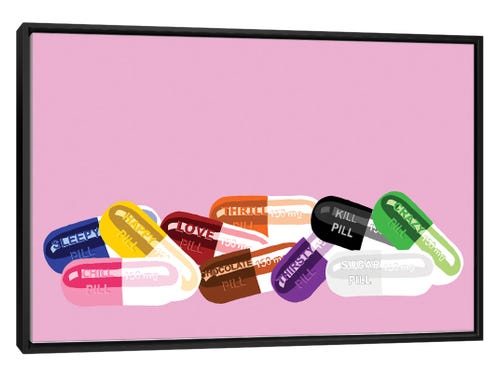
Originally pursuing art as a form of communication after being diagnosed with dyslexia and A.D.D., Jaymie Metz’s colorful digital creations feature medicine, sweet treats, retro signs, and objects. Focusing on pills, their colorful mental health art is full of commentary on medicating in society. Labeling each capsule with a different prescription, they emphasize on the narrative of people buying a way to get happy, looking for a way to get better sleep, or taking something to feel love.
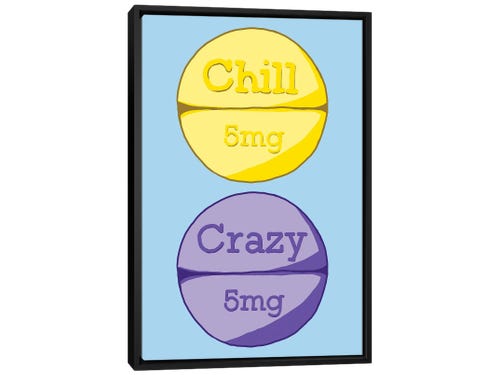
“Chill Crazy Pill Blue” Metz takes something clinical and repackages it as pop art — and that tension between the playful look and the heavy subject is what makes it stick.
“Happy Pill Bottle Yellow” Happiness as a product you can buy off the shelf. Metz doesn’t judge — they just hold up a mirror to how normalized that idea has become.
“Sleepy Pill Blue” Sleep — the thing everyone wants more of and half the population is medicating for. Metz turns that quiet desperation into something you’d actually want on your wall.
“Chill Pill Party Pink” The color and energy almost trick you into thinking it’s lighthearted — until the title and subject matter catch up with you.
Explore More
- Want to explore even more creations? Click here to see all Mental Health Awareness art, and click here to check out all the artists iCanvas has to offer.
- Did you know that some of the most influential artists of all time also faced mental health struggles? Learn about Why Van Gogh Painted The Starry Night in an Asylum
Awesome art work 👌