
The Gardner Museum Heist: The $500M Art Theft Nobody Has Solved | iCanvas
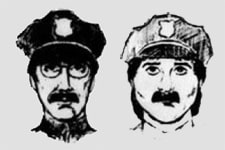
The Gardner Museum heist: On March 18, 1990, two men disguised as police officers talked their way into the Isabella Stewart Gardner Museum in Boston. In 81 minutes, they stole 13 works of art now valued at roughly $500 million, the largest unsolved art theft in history, according to the FBI’s own case files. Thirty-six years later, not one piece has been recovered, and no one has ever been arrested.
This year, the case got a new chapter. Geoffrey Kelly, the retired FBI agent who led the investigation for 22 years, published a book on it, and according to his interview with ARTnews, he believes investigators have identified who carried out the theft. The art, on the other hand, is still missing.
The Museum That Was Never Supposed to Change
Isabella Stewart Gardner wasn’t a typical collector. In 1903, she opened her museum inside a Venetian-style palazzo she built and designed herself in Boston’s Fenway neighborhood, filling it with art she’d spent decades acquiring across Europe. She didn’t just want people to see the work, she wanted them to see it exactly as she intended, forever.
That’s not an exaggeration. Per her will, the entire collection had to stay exactly as she arranged it – the same walls, same placement, no additions, no rearranging. If the museum ever violated those terms, the collection would be packed up and sold off, with proceeds going to Harvard.
By 1990, the museum’s security was thin. Guards earned little above minimum wage, and a security review years earlier had flagged real vulnerabilities. The thieves seemed to know exactly how exposed the building was.
The Gardner Museum Heist: 81 Minutes, 13 Masterpieces
At 1:24 a.m., the two guards on duty that night, 23-year-old Rick Abath and 25-year-old Randy Hestand, were handcuffed and duct-taped to pipes in the basement. The thieves headed straight for the Dutch Room, where they smashed protective glass cases and cut canvases right out of their frames. From there, they moved to the Short Gallery, then finished in the Blue Room, where they cut Manet’s Chez Tortoni from its frame. Strangely, the room’s motion detector never recorded their presence there at all.
In total, they took 13 objects across three rooms in just 81 minutes:
Dutch Room
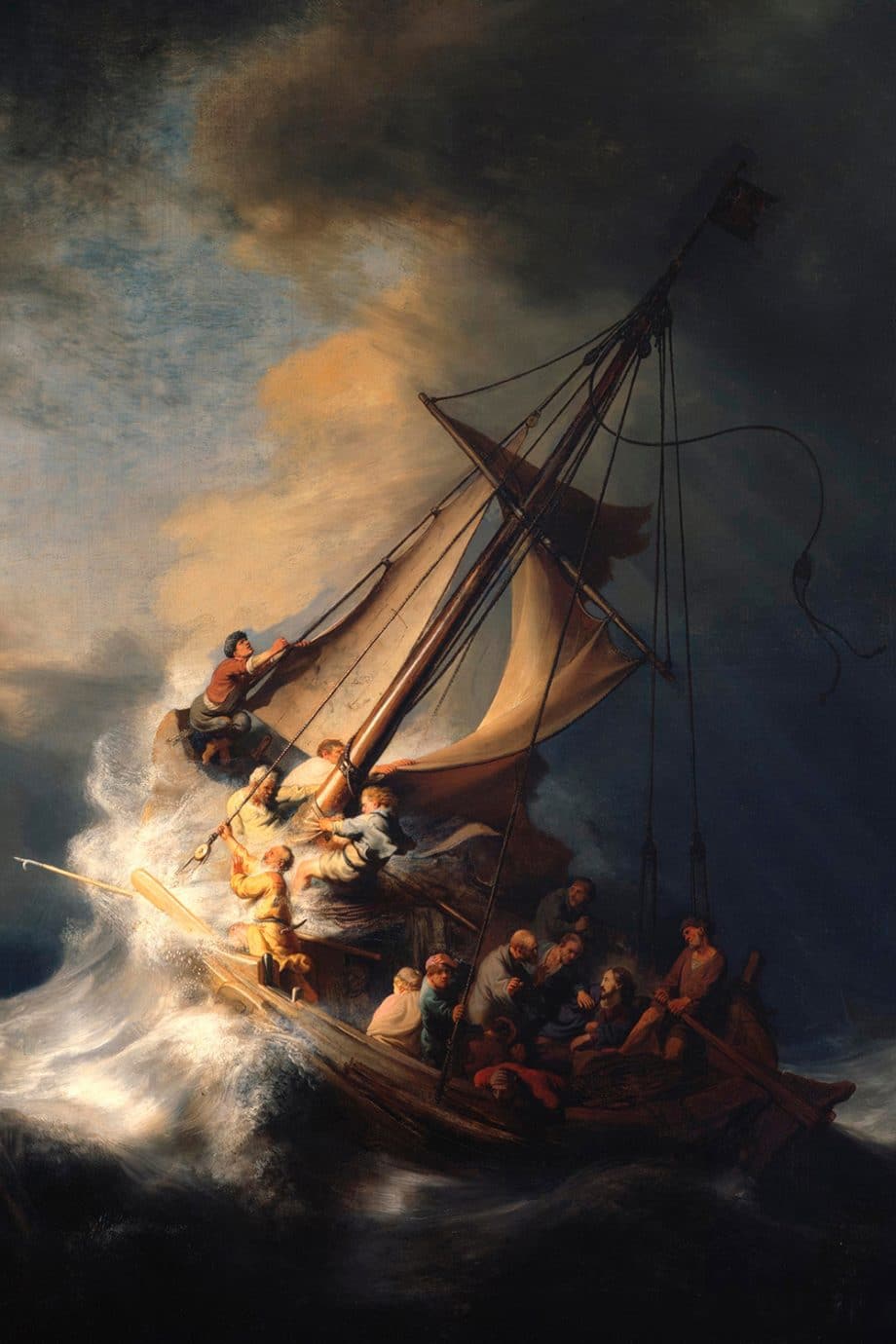
Christ in The Storm on the Sea of Galilee (1633) – Rembrandt, his only known seascape
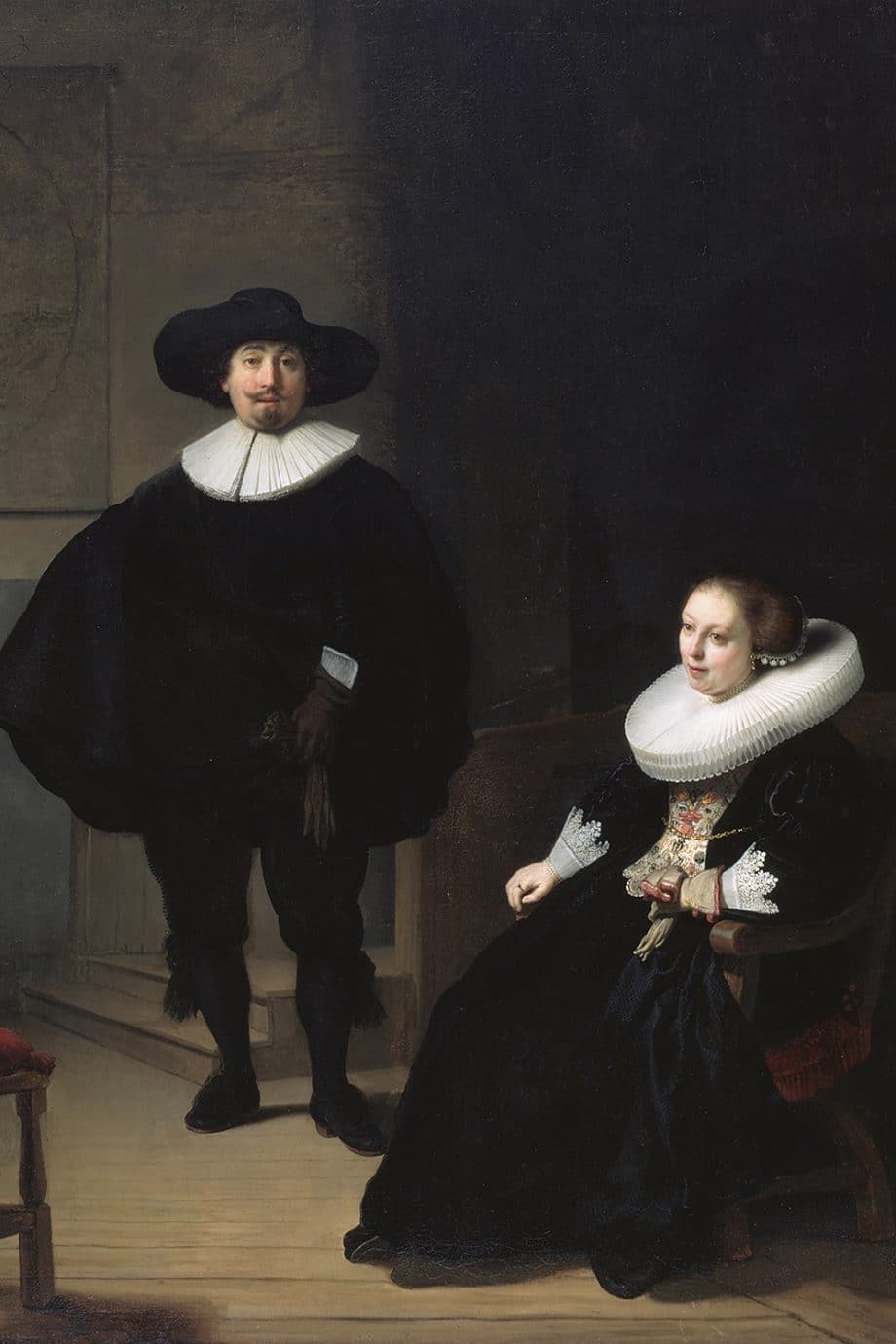
A Lady and Gentleman in Black (1633) – Rembrandt, possibly his earliest double portrait
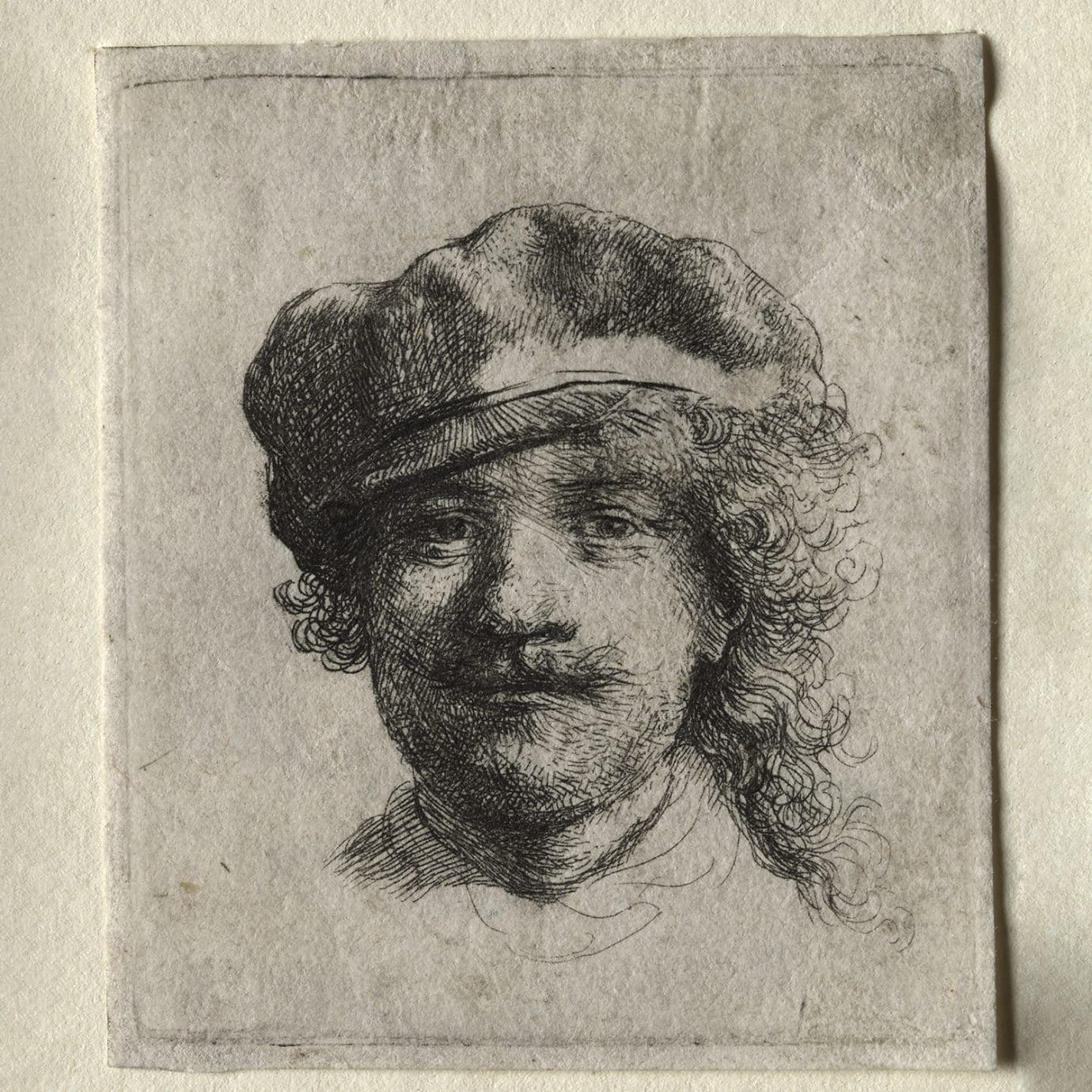
Self-Portrait (1634) – Rembrandt, a tiny etching, barely the size of a postage stamp
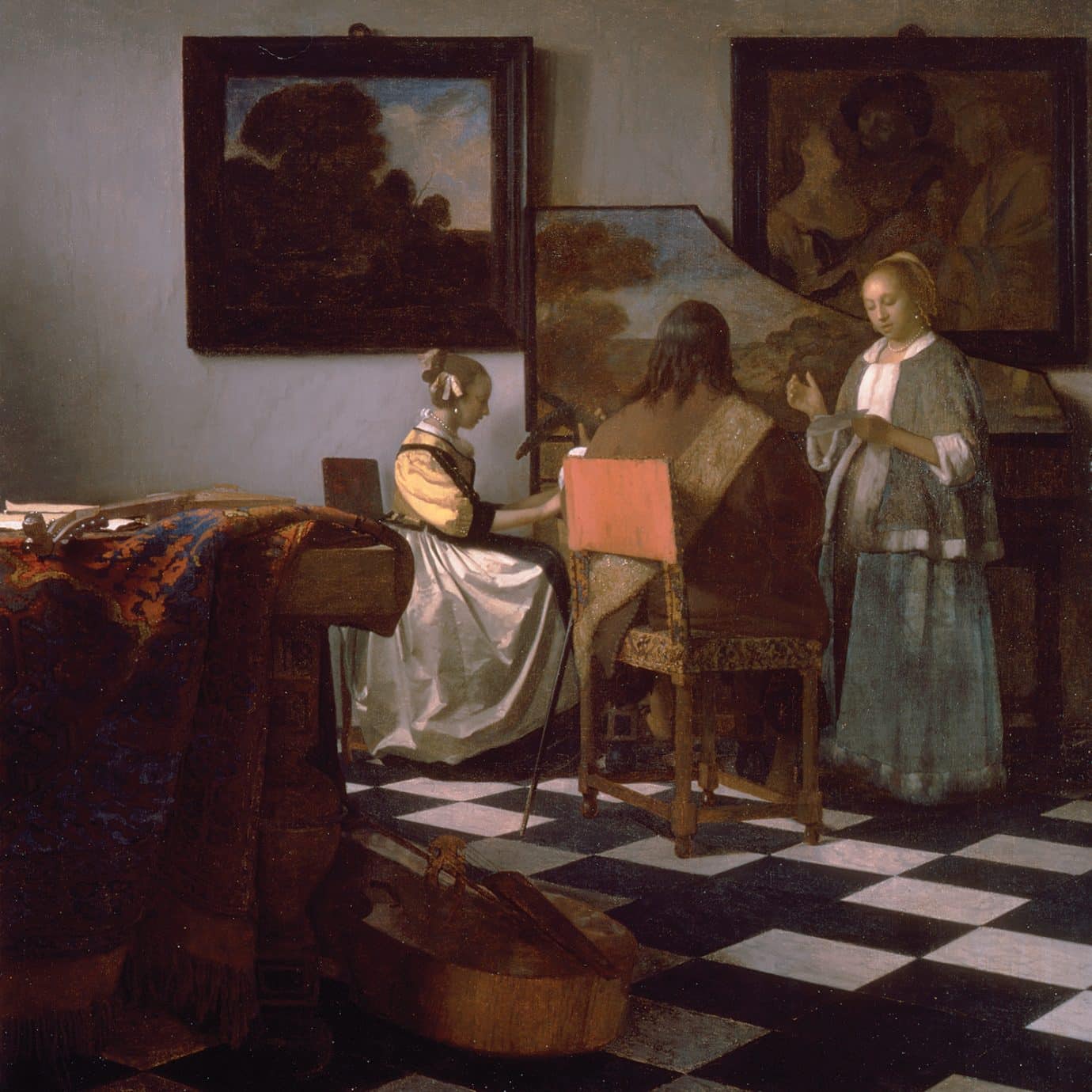
The Concert (c. 1664) – Johannes Vermeer, one of roughly three dozen known Vermeers in existence
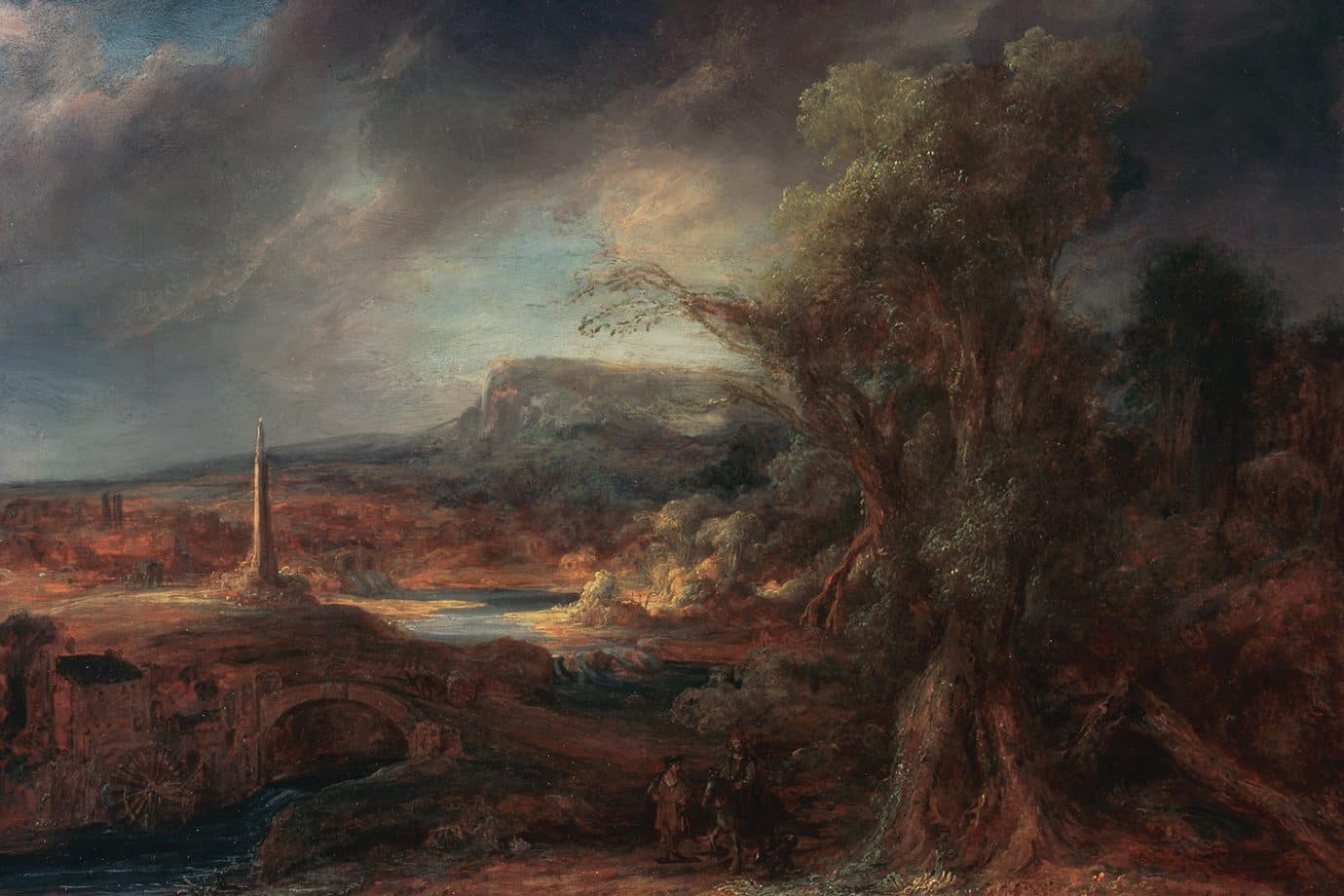
Landscape with an Obelisk (1638) – Govert Flinck, long misattributed to Rembrandt, his teacher
Not pictured: A bronze gu (ceremonial beaker) – Shang Dynasty, 12th–11th century BCE, one of the museum’s oldest objects
Short Gallery
Cortège aux Environs de Florence (c. 1857–60) – Edgar Degas
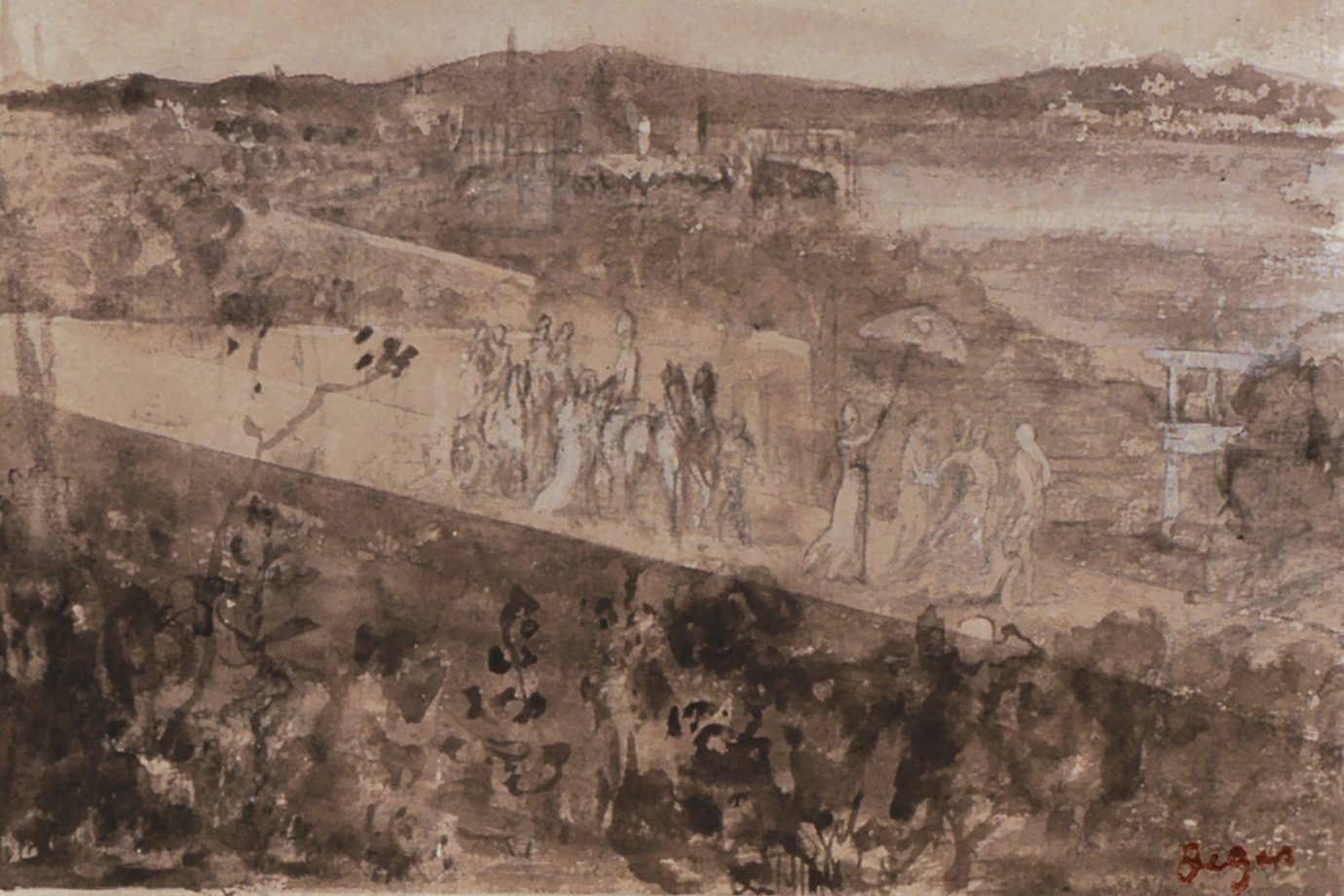
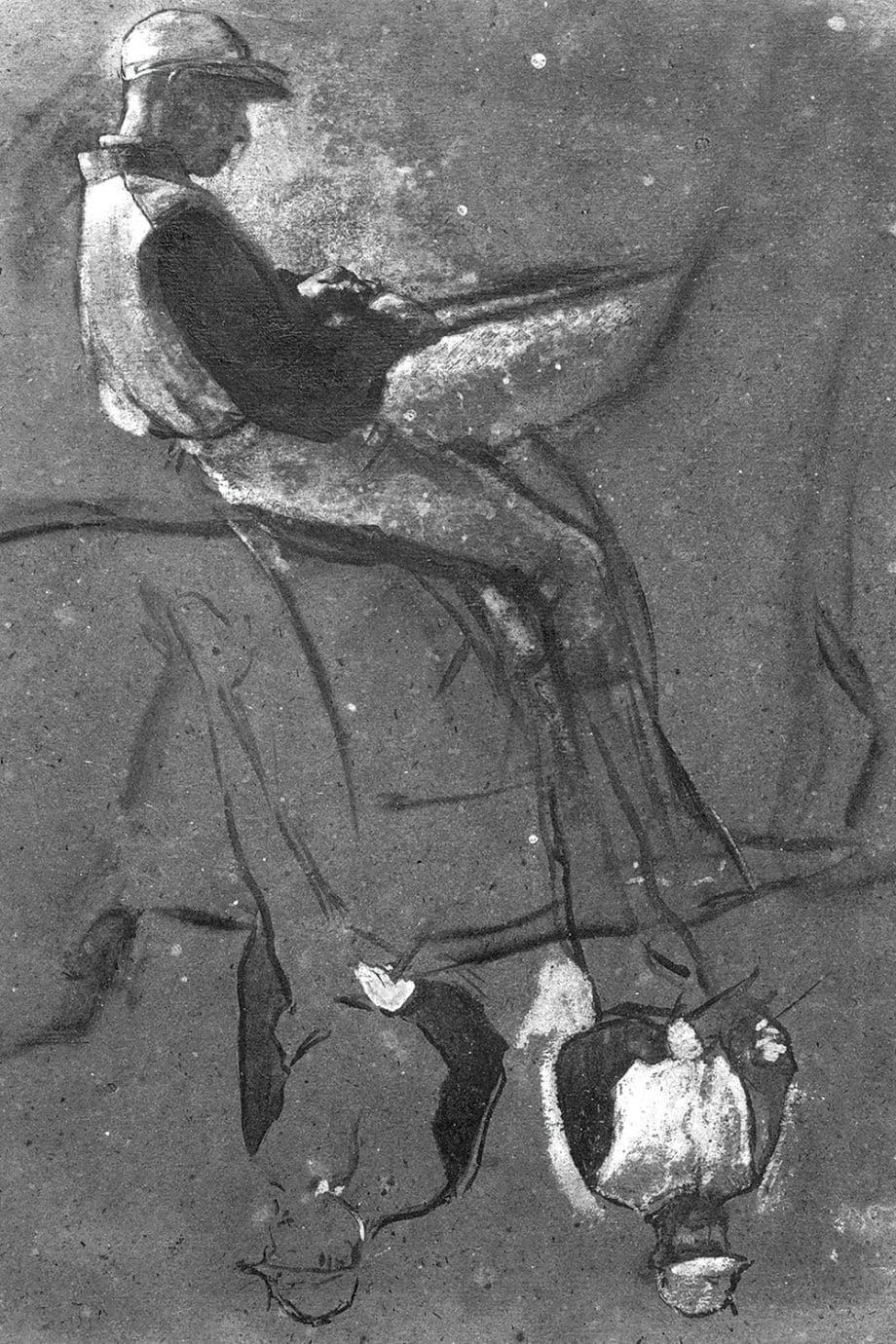
Three Mounted Jockeys (1885–88) – Edgar Degas
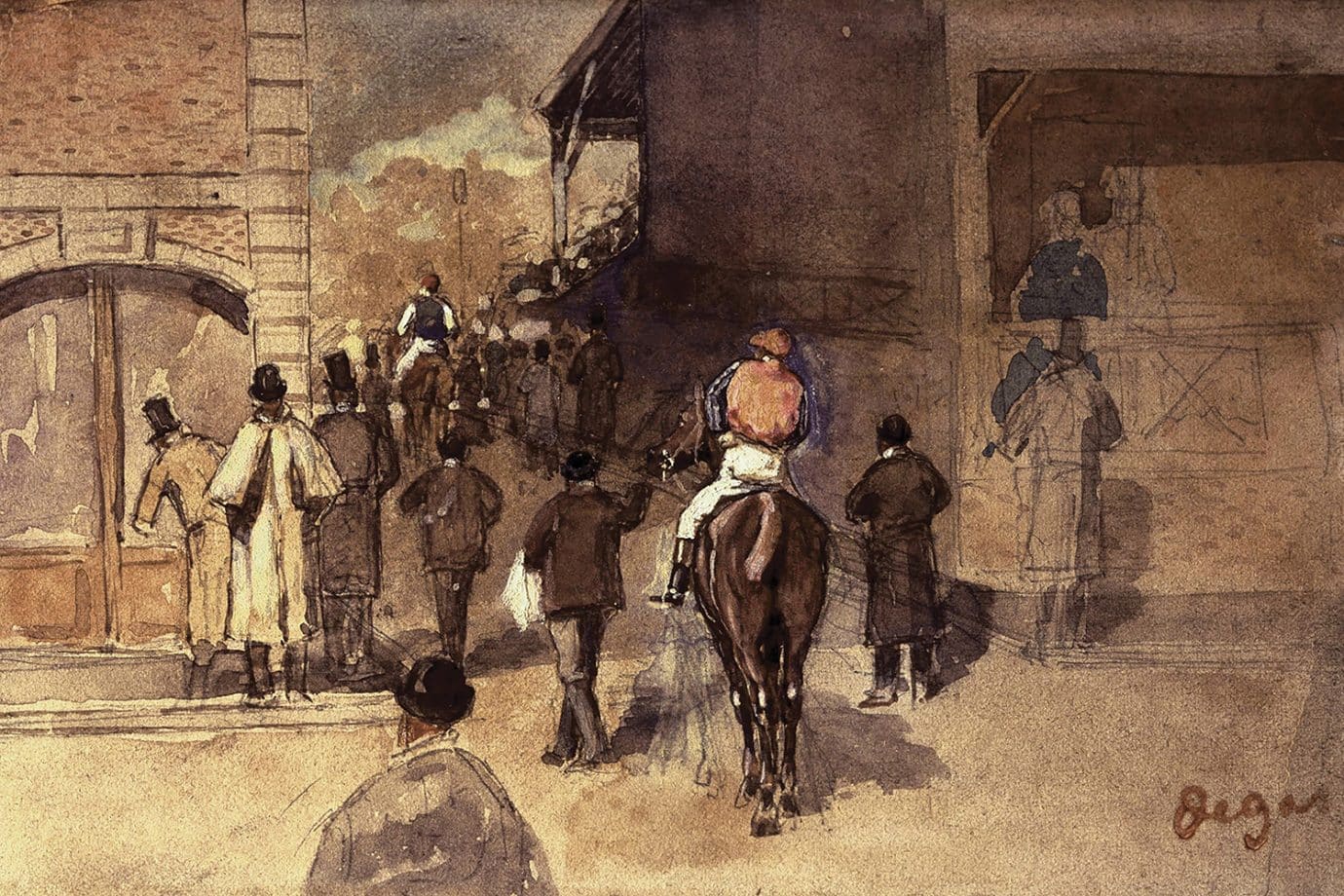
Leaving the Paddock – Edgar Degas
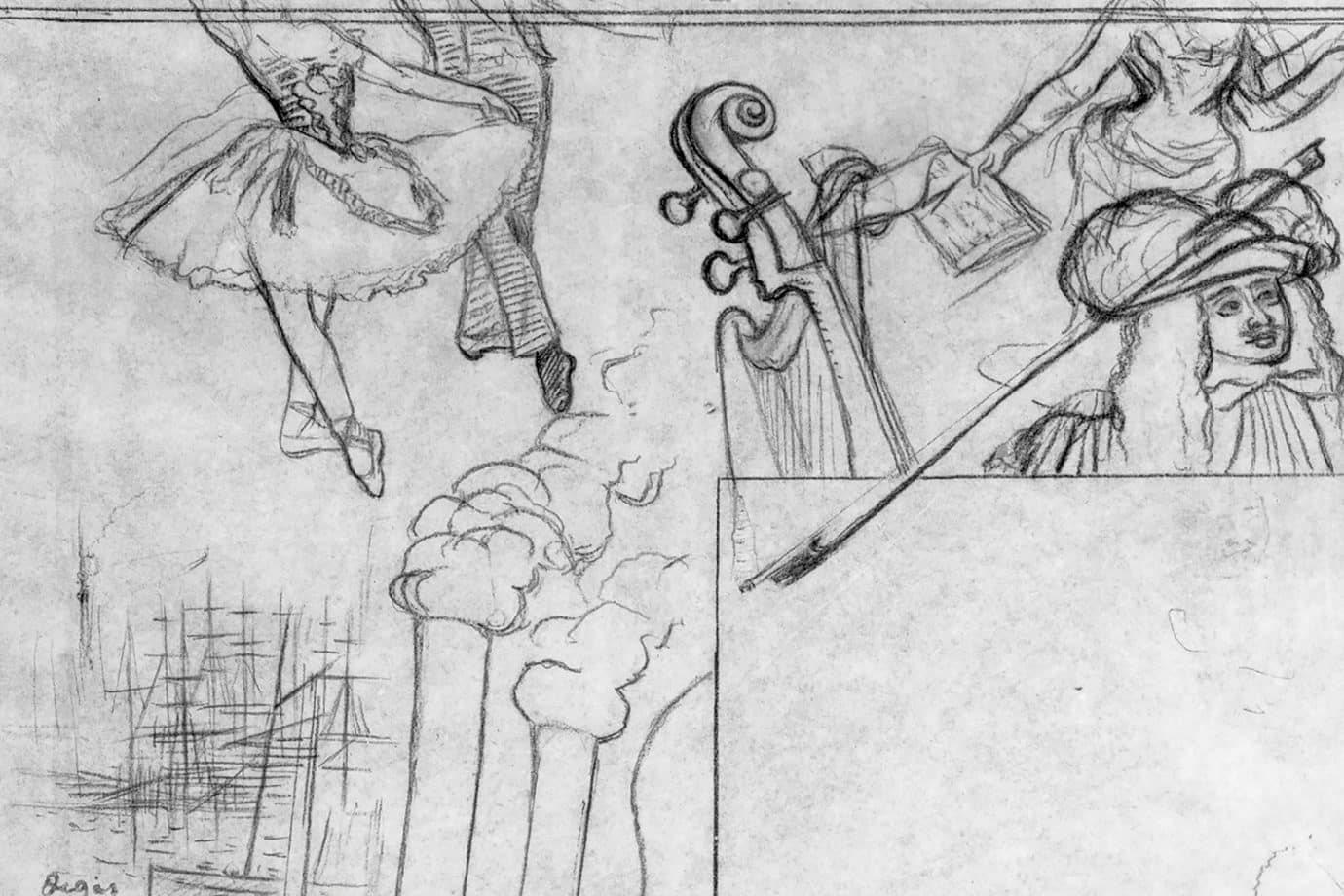
Program for an Artistic Soirée 1 (c. 1884) – Edgar Degas
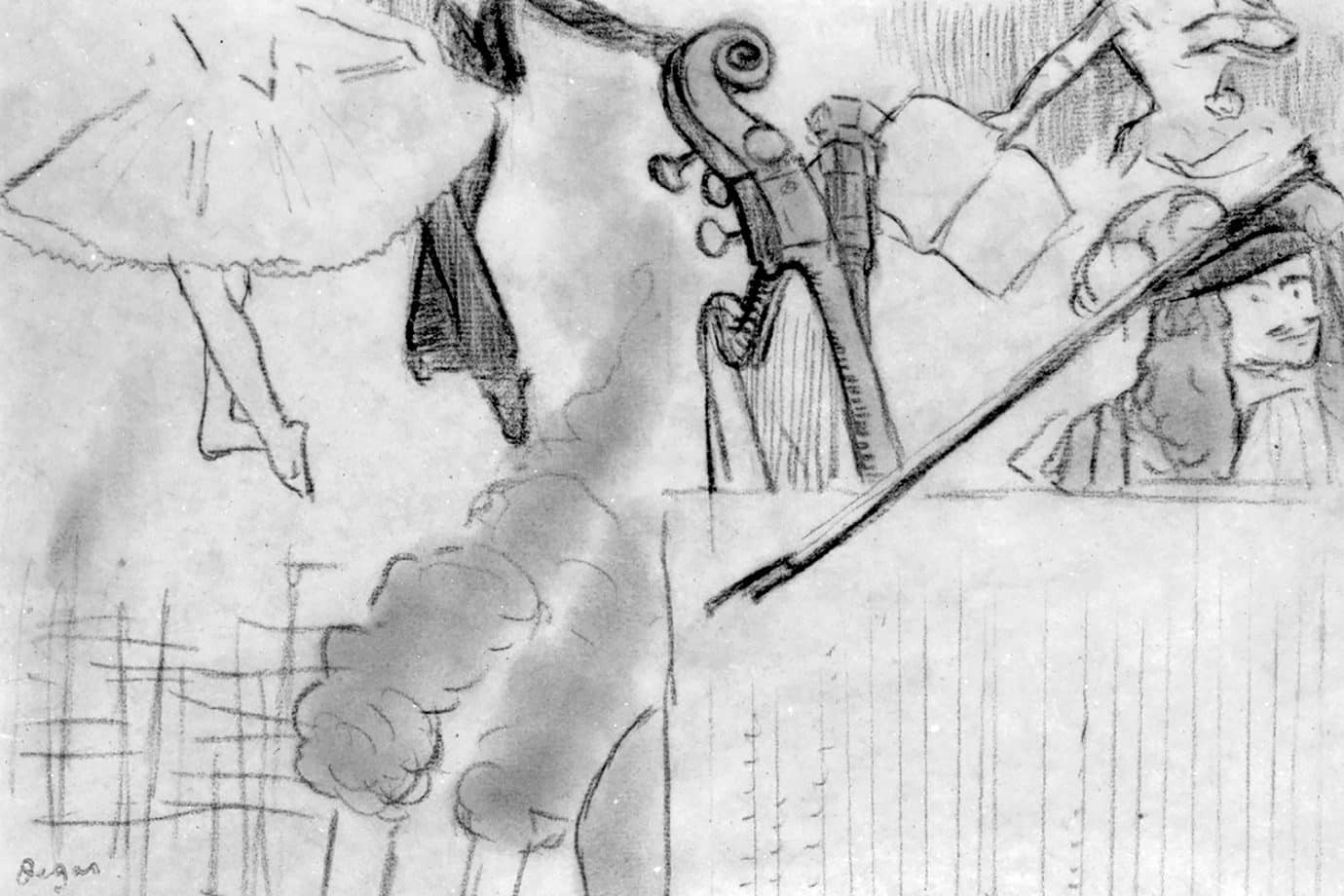
Program for an Artistic Soirée 2 (c. 1884) – Edgar Degas
Not pictured: Bronze eagle finial – from the pole of a Napoleonic Imperial Guard flag the thieves tried, and failed, to pry loose entirely
Blue Room
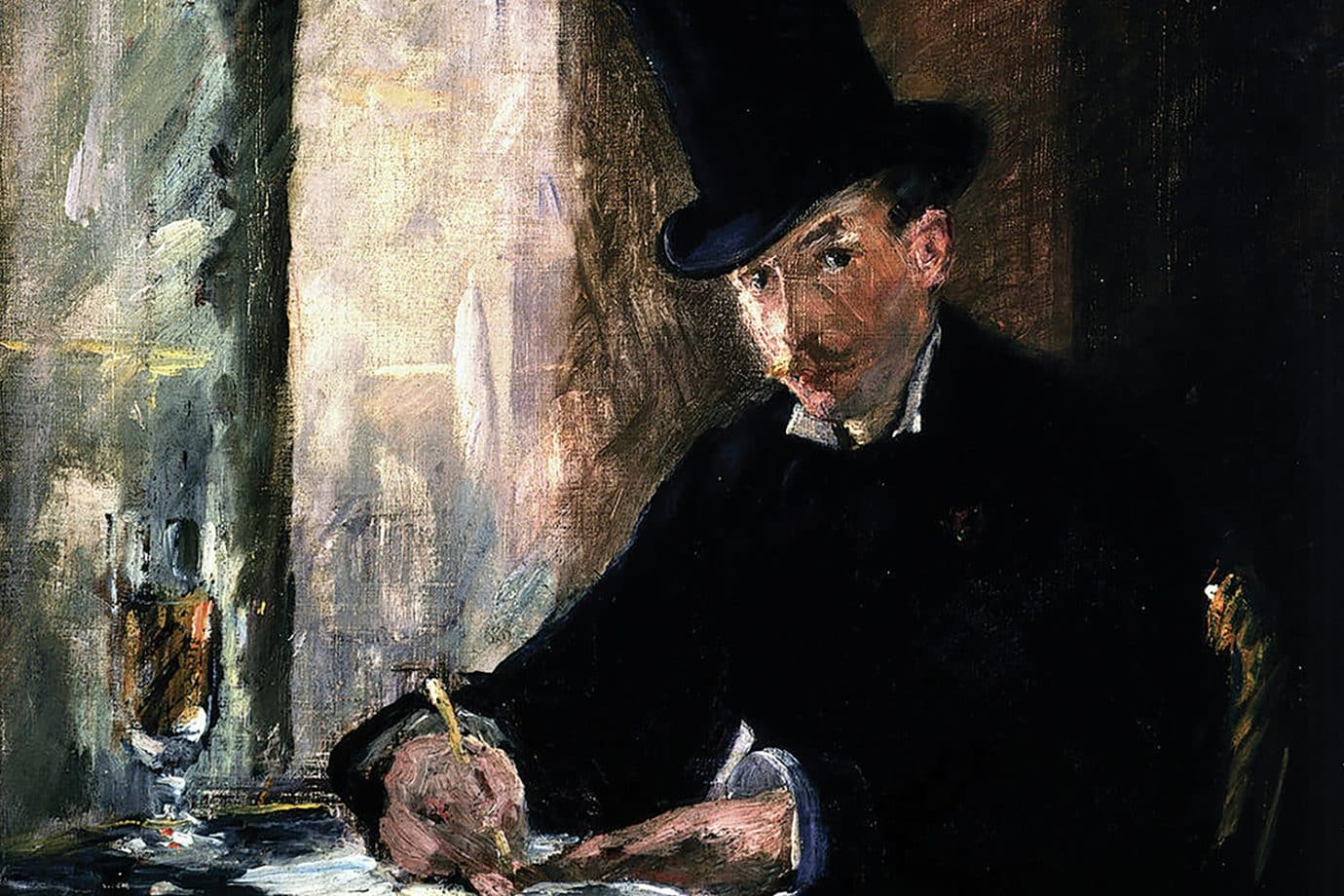
Chez Tortoni (c. 1875) – Édouard Manet, the only work taken from this room, and the only theft the museum’s motion detectors never recorded
What they left behind is almost as telling as what they took. Titian’s The Rape of Europa, the single most valuable painting in the building, worth well over $100 million, hung untouched one floor up, along with works by Raphael, Botticelli, and Michelangelo. Whoever planned this heist seemed to be working from a list, not a sense of opportunity.
Why It Matters
Vermeer’s The Concert is widely considered the single most valuable unrecovered artwork in the world, valued by the Gardner Museum at $250 million, a price driven by scarcity as much as skill, since fewer than three dozen Vermeers are known to exist anywhere.
The Degas works are worth far less in dollar terms; the Gardner Museum and Wikipedia both place their combined value at under $100,000. But they matter for a different reason; as sketches rather than finished paintings, they offer a rare look at how Degas actually worked.
The bronze eagle finial sits at the opposite extreme: worth almost nothing at auction, yet the Gardner still offers a separate $100,000 reward just for its return. Museum security director Anthony Amore has said that’s partly because it’s the piece most likely to surface unrecognized in someone’s possession; most people wouldn’t know what they were holding.
The Investigation: Mobsters, Informants, and a Chicken Truck
This is the part of the story Geoffrey Kelly knows better than almost anyone alive. He spent 22 years on the Gardner case for the FBI. In March 2026 he published Thirteen Perfect Fugitives: The True Story of the Mob, Murder, and the World’s Largest Art Heist, a book that lays out, in detail, who the Bureau believes was responsible for the Gardner Museum heist.
According to Kelly’s interview with CBS Boston, the FBI has long believed the theft was carried out by a Boston-area criminal crew. With the trail running from Boston into Connecticut and eventually Philadelphia, it was organized crime functioning as a kind of underground distribution network for stolen masterworks. Historically, stolen paintings like these have sometimes been used as leverage: a bargaining chip for reduced prison sentences.
The most striking new detail in Kelly’s book comes from an informant named Ronnie “Meatball” Bowes. According to Boston Globe reporting on the book, Bowes told the FBI he’d helped move cardboard boxes for a Connecticut mob associate and came to believe he’d unknowingly helped transport Rembrandt’s Christ in the Storm to Philadelphia inside a chicken truck. The mobster he named denied any involvement and failed a polygraph on the question before his death in 2021. The trail effectively went cold there.
Kelly has described his decades on the case as two investigations running in parallel: figuring out who did it, and figuring out where the art ended up. The first question, he believes, finally has an answer. The second one doesn’t.
The Empty Frames
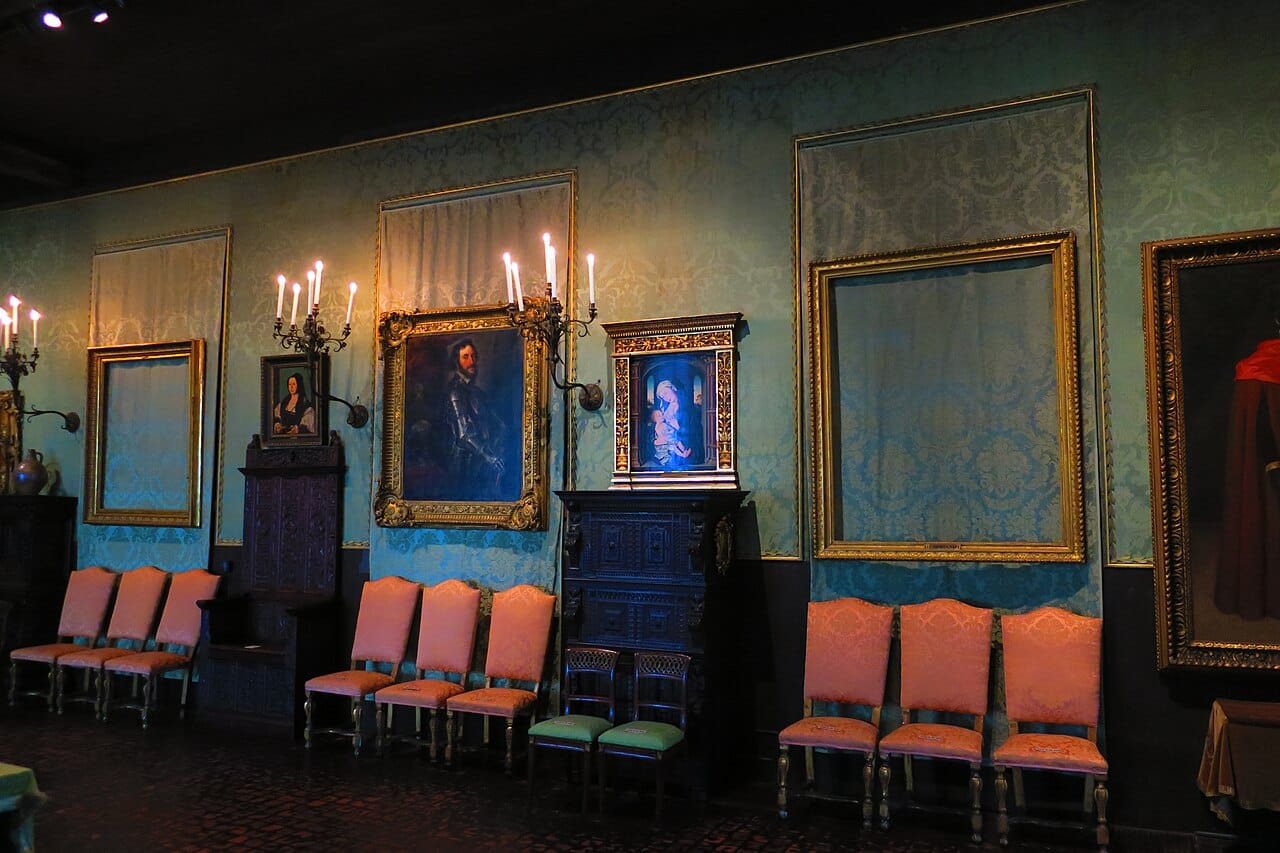
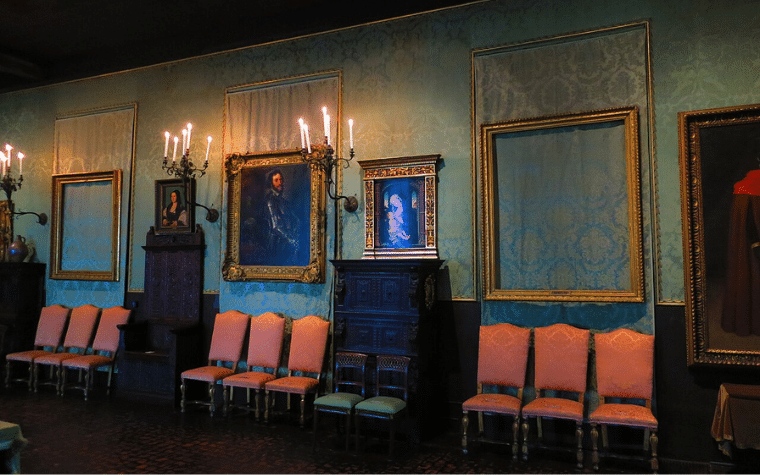
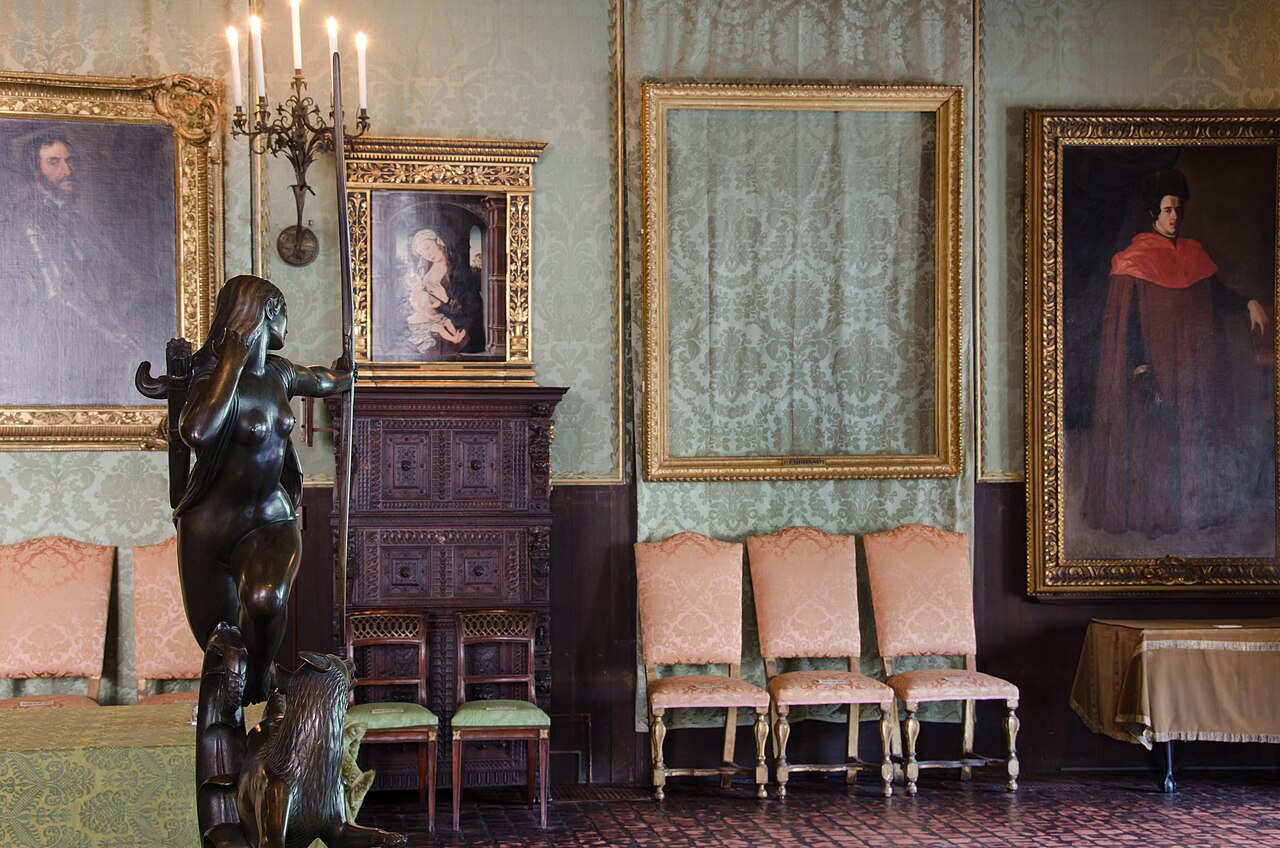
In 1994, four years after the heist, the museum made a quiet but deliberate choice: it rehung the empty gilded frames exactly where the stolen paintings used to be. They’re still there today. It’s not a loophole around Isabella Gardner’s strict will, it’s closer to a vigil.
Anthony Amore, the Gardner’s longtime security director, has spent two decades chasing leads on this case and has said publicly that he believes the art will eventually be found. He’s also become an expert at separating real leads from noise; his test for any tipster claiming to have seen the paintings is simple: ask them to describe the back of the canvas. Genuine sightings hold up to that question. Hoaxes don’t.
The reward for information leading to safe recovery still stands at $10 million, the largest ever offered by a private institution for a single case. Notably, even someone who participated in the theft itself could come forward – the statute of limitations on the original crime has long expired.
For Kelly, writing the book was its own kind of closure. He’s described it as a cathartic project, a way to put down, finally, a case that occupied more than two decades of his career.
What the Gardner Heist Means for the Art on Your Walls
There’s something about this story that goes beyond true crime. Isabella Stewart Gardner built her museum on a genuinely radical idea for her era: that great art shouldn’t be locked away in private hands, it should belong to everyone who walks through the door. The heist didn’t just take paintings. It took away the public’s permanent access to them.
It’s worth remembering that Rembrandt and Vermeer weren’t painting for museum walls. They were painting for homes, for rooms not unlike the ones we live in today. That’s the enduring appeal of Dutch Golden Age art: it was always meant to feel personal, lived-with, close.
You can still bring that same era, the same painters whose work the Gardner lost forever, into your own space through iCanvas’s Dutch Golden Age collection, including prints by Rembrandt and Vermeer, including a print of the very painting that vanished from the Gardner that night in 1990.