
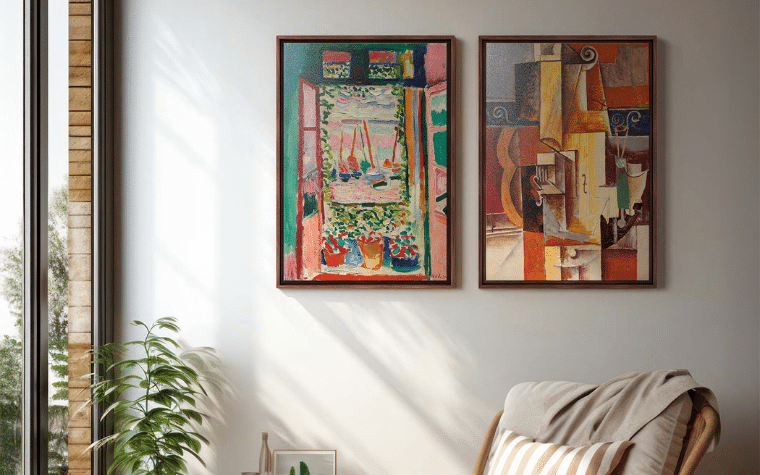
The Rivalry Between Picasso & Matisse | iCanvas
Art history has its share of rivalries, but few are as fascinating, or as influential, as the decades-long creative tension between Pablo Picasso and Henri Matisse.
Both artists are now recognized as giants of modern art. Their paintings fill museums, shape art history textbooks, and continue to inspire artists more than a century later. But during their lifetimes, Picasso and Matisse weren’t simply two celebrated painters working side by side.
They were competitors.
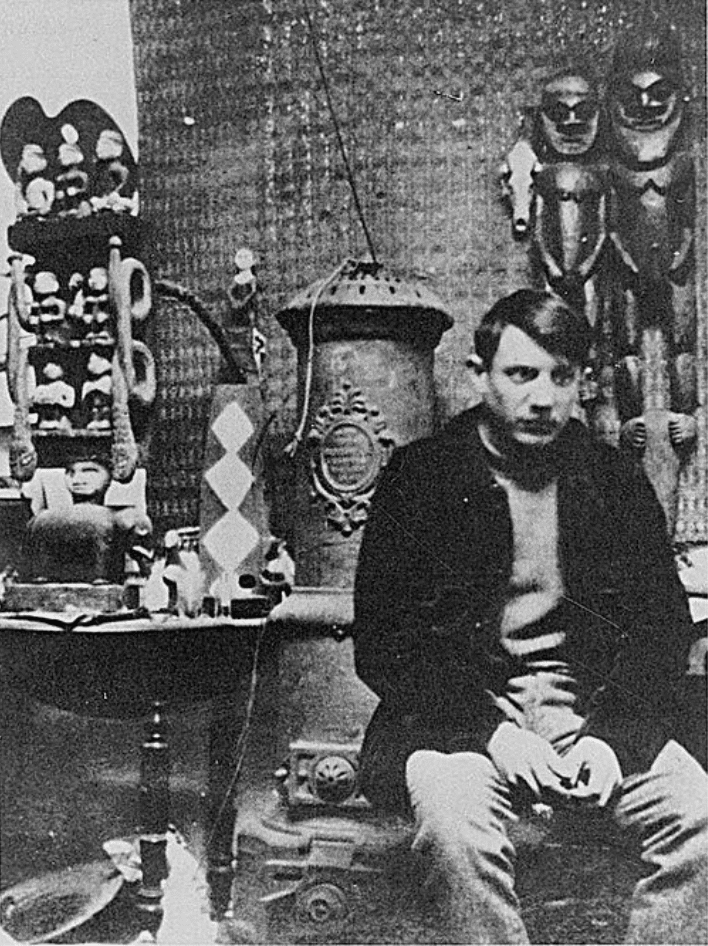
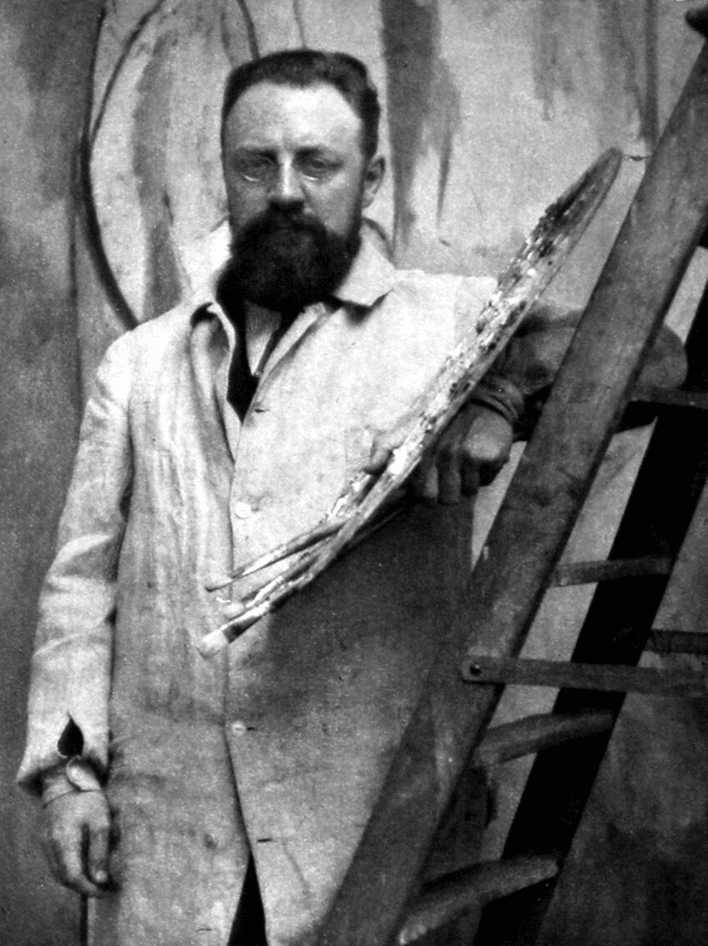
From the moment they met in early-20th-century Paris, the two artists kept a watchful eye on one another. Each new exhibition, each new artistic experiment, and each new critical success became part of an ongoing dialogue between them. At times that dialogue felt collaborative. At other moments, it felt more like a high-stakes creative duel.
Art historians now widely believe that the rivalry between Picasso and Matisse helped accelerate the development of modern art itself. Their back-and-forth push toward innovation helped shape movements like Fauvism, Cubism, and modern abstraction.
In many ways, Picasso and Matisse weren’t just painting their own visions of modern art. They were responding to each other.
TLDR; The rivalry between Pablo Picasso and Henri Matisse was one of the most influential creative rivalries in modern art. After meeting in Paris in 1906, the two artists spent decades watching, challenging, and responding to each other’s work. Their competition helped shape major movements like Fauvism and Cubism, pushing painting in bold new directions.
Table of Contents
When Picasso and Matisse First Met (1906)
The story of this famous rivalry begins in Paris in 1906. At the time, the city was the center of the modern art world. Artists from across Europe had flocked there to experiment with new ideas and challenge traditional approaches to painting.
Into this environment stepped a powerful cultural figure: the American writer and collector Gertrude Stein.
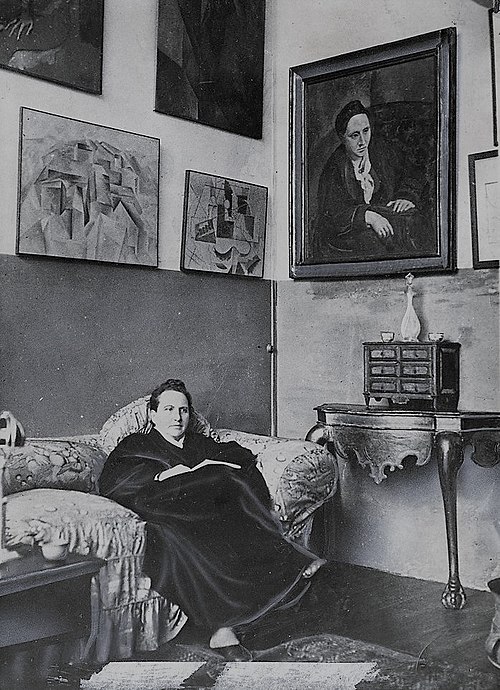
Stein hosted regular gatherings at her apartment on the Rue de Fleurus, bringing together artists, writers, critics, and collectors. These salons became a kind of informal laboratory for modern art, places where ideas were debated, alliances formed, and reputations built. It was here that Picasso and Matisse first met.
At the time, Matisse was already beginning to establish himself as one of the most daring painters in Paris. His work with bold color had helped spark the Fauvist movement, which shocked critics with its intensity and expressive freedom.
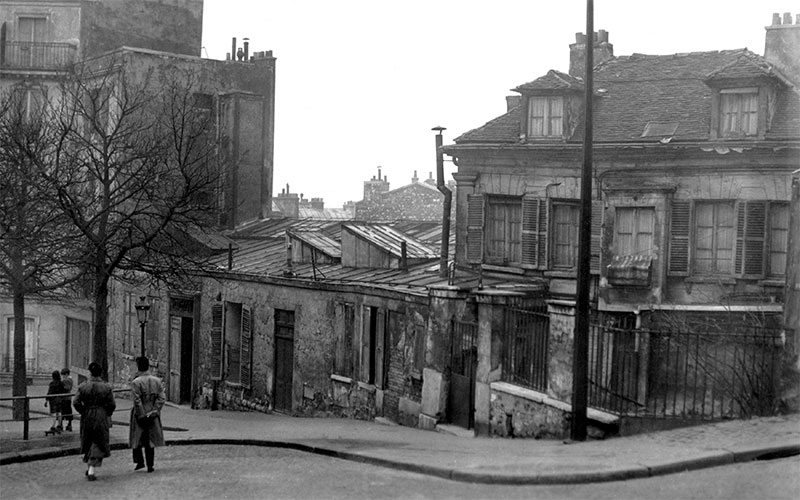
Picasso, on the other hand, was still developing his voice. Living in the bohemian Montmartre district, he worked out of a studio in the now-legendary Bateau-Lavoir building, a hub of avant-garde experimentation.
Their personalities couldn’t have been more different.
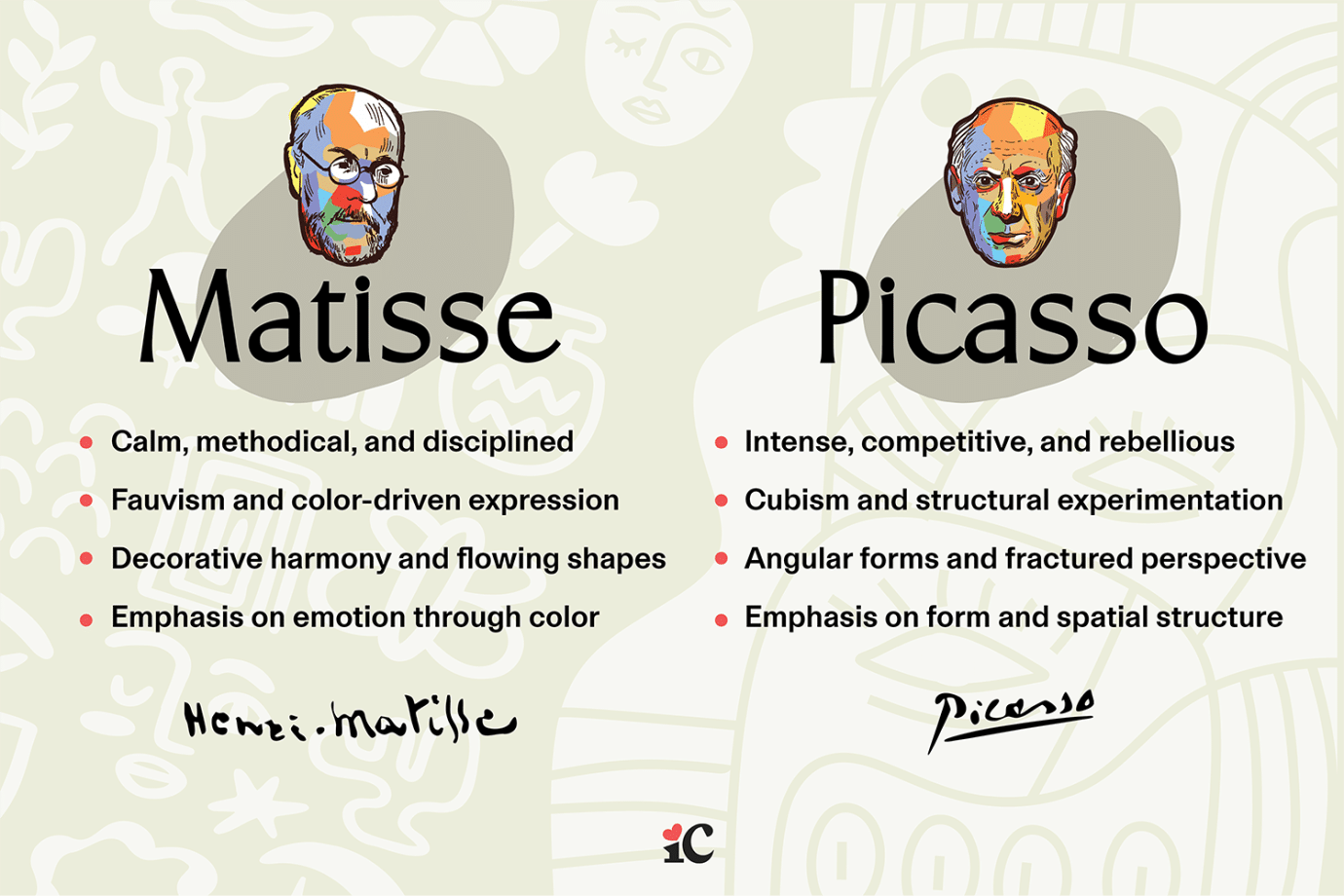
Matisse was thoughtful, measured, and reflective. Picasso was intense, driven, and fiercely ambitious.
Yet both artists immediately sensed something about the other: this was not just another painter in Paris. This was competition.
Opposites in Art and Personality
One of the reasons the Picasso–Matisse rivalry became so compelling is that the two artists approached painting from almost completely opposite directions.
Matisse: Color and Harmony
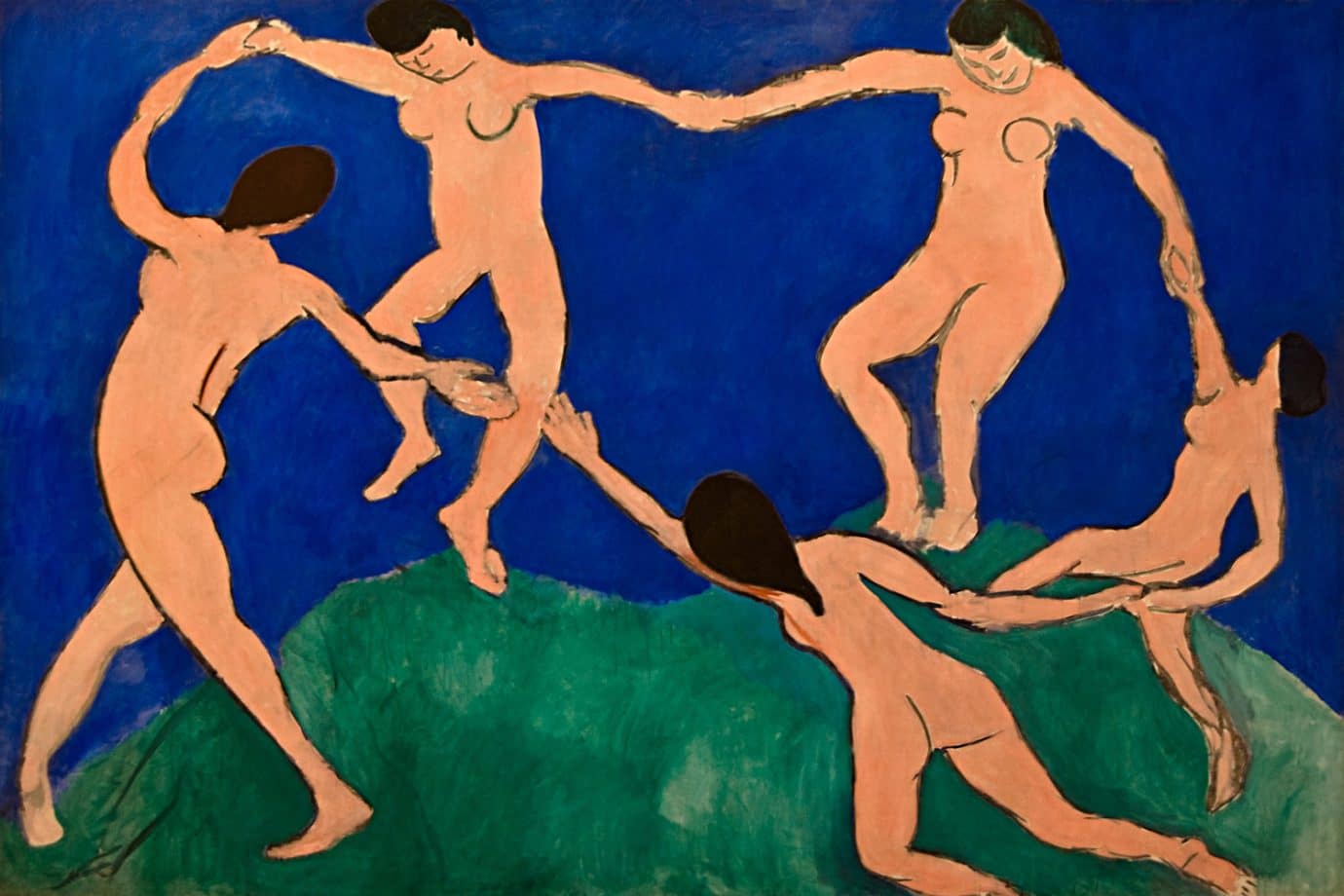
Henri Matisse believed deeply in the emotional power of color.
Rather than depicting the world realistically, he explored how color could create mood, rhythm, and visual harmony. His paintings often feature bold palettes, flowing lines, and decorative compositions that feel both energetic and balanced.
As the central figure of Fauvism, Matisse embraced color as the primary language of painting.
Matisse famously described his artistic goal as creating art that would feel “like a comfortable armchair”, something visually soothing and uplifting.
Picasso: Structure and Innovation
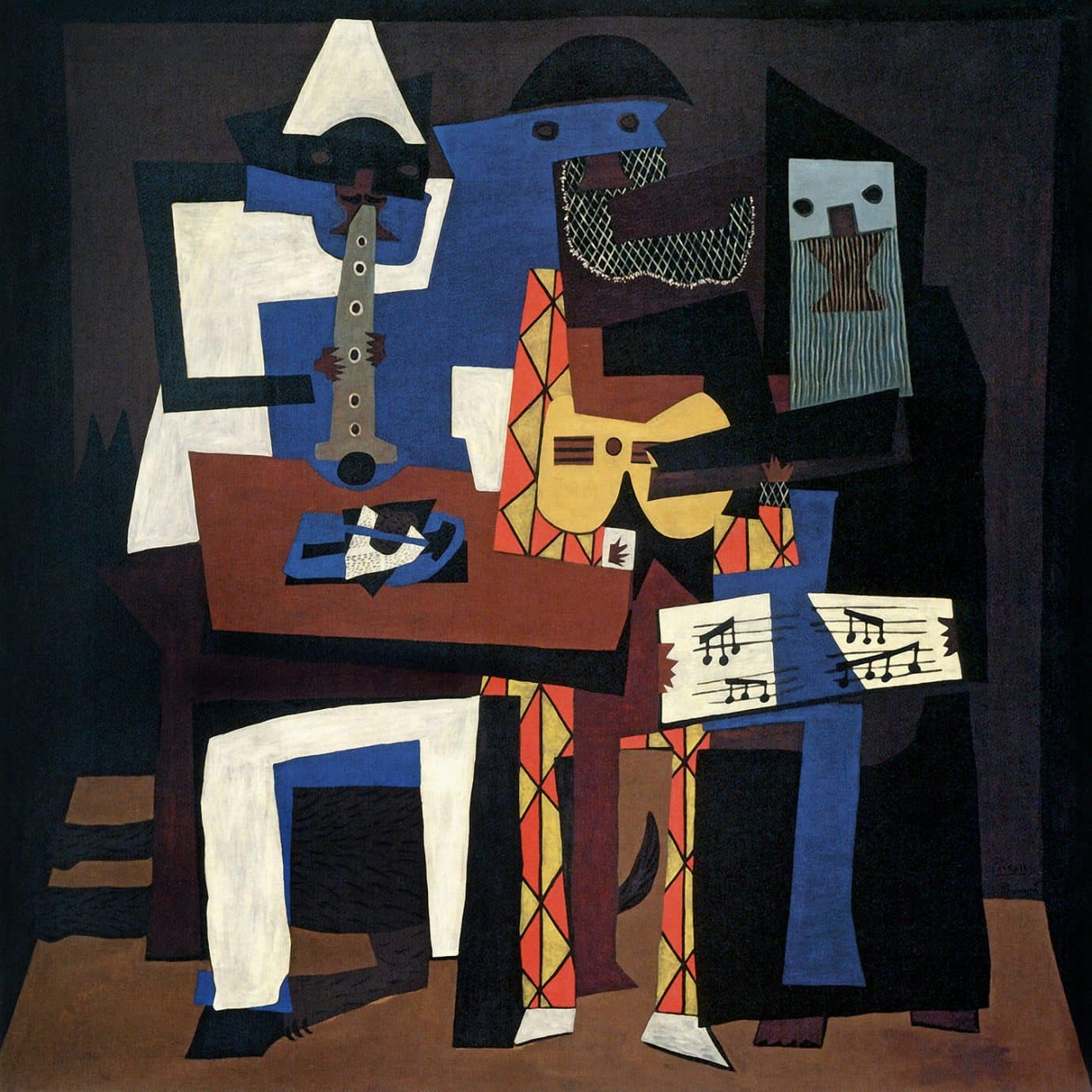
Picasso approached painting with a very different mindset.
Instead of focusing primarily on color, he became fascinated by form—how objects and figures could be broken apart, rearranged, and reimagined on the canvas.
This fascination eventually led to the development of Cubism, which radically transformed the way artists represented space and perspective.
While Matisse pursued harmony and expressive color, Picasso pursued reinvention and disruption. Their differences ensured that every new artistic breakthrough felt like another move in their ongoing rivalry.
A Creative Chess Match
Over time, Picasso and Matisse developed an unusual working relationship.
They were rivals, but also observers.
Both artists paid close attention to the other’s work. They visited each other’s studios. They attended exhibitions where the other artist debuted new paintings. They studied each other’s techniques.
Art historians often describe their interaction as a creative chess match, where each move sparked another response.
Their public comments about each other reveal the strange balance between admiration and competition.
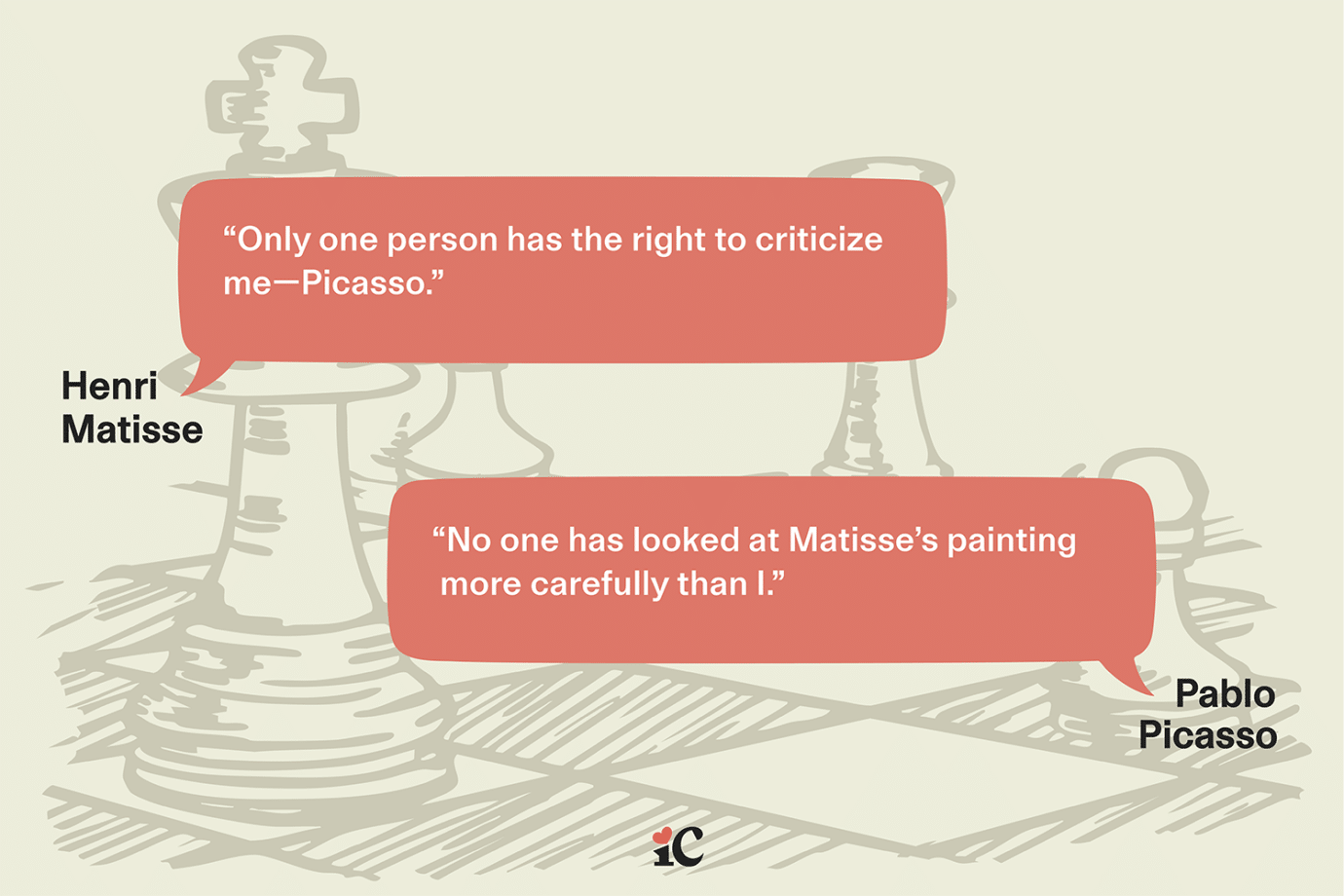
Picasso once admitted:
“No one has looked at Matisse’s painting more carefully than I.”
Matisse responded with a line that carried its own competitive edge:
“Only one person has the right to criticize me—Picasso.”
These remarks hint at the unusual respect the two artists held for one another. In a rapidly changing art world filled with critics and imitators, each artist recognized that the other was operating at a similar level of ambition and innovation.
3 Moments When the Picasso–Matisse Rivalry Got Personal
Even though their rivalry was largely intellectual, several moments reveal just how intense their competition could become.
1. Picasso’s Painting That Shocked and Offended Matisse
In 1907, Picasso revealed a painting that would become one of the most influential works of modern art: Les Demoiselles d’Avignon.
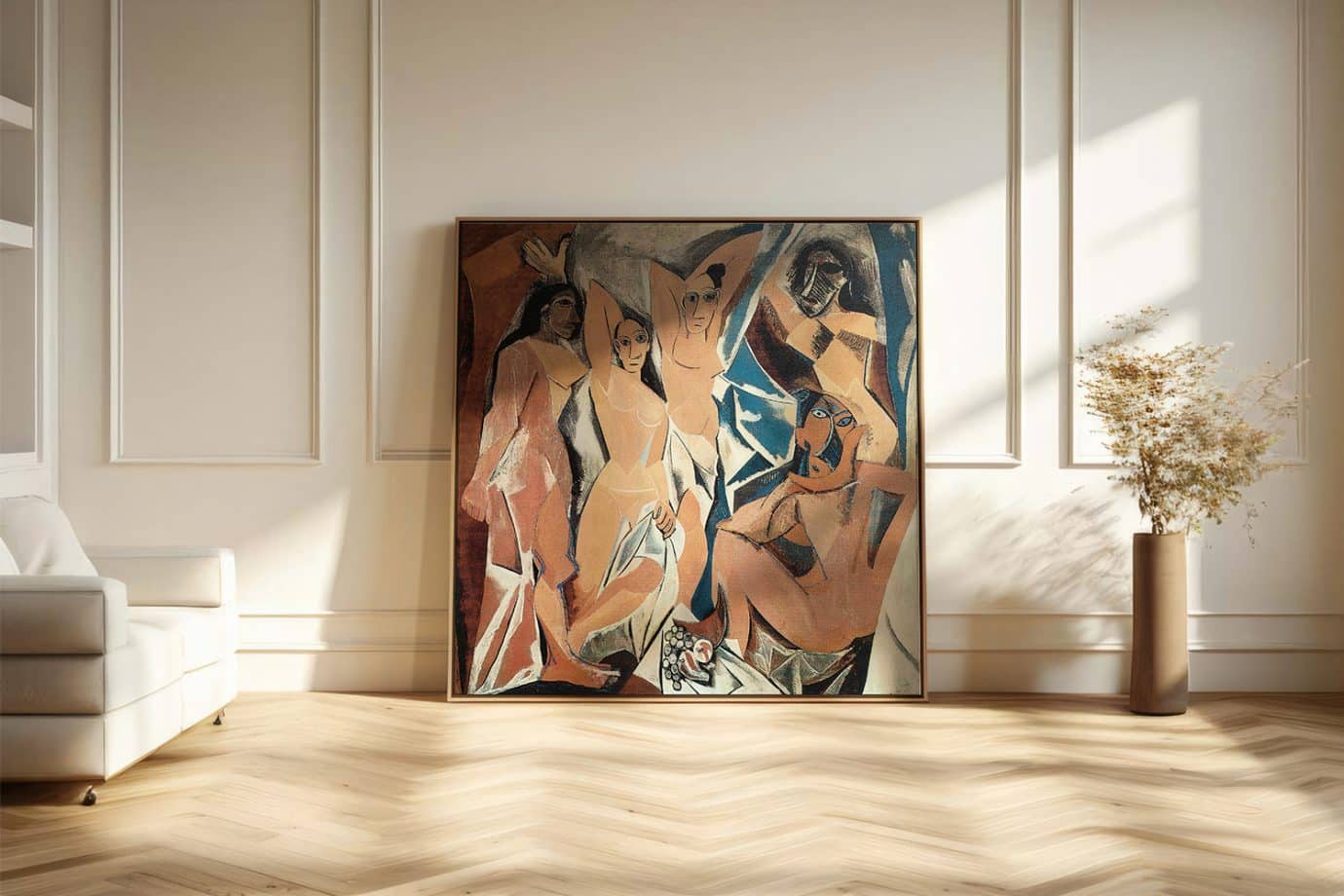
The painting shattered expectations. Its figures were fragmented and mask-like, inspired in part by African sculpture and Iberian art. Perspective collapsed, and the traditional rules of painting seemed to disappear entirely.
Many of Picasso’s friends were shocked.
Matisse was reportedly among them.
According to art historian John Richardson, Matisse initially saw the painting as a bold, and perhaps provocative, attempt by Picasso to challenge his leadership in the avant-garde art world.
In hindsight, the painting marked the beginning of Cubism and one of the most important turning points in modern art. But in that moment, it also intensified the rivalry between two artists competing to redefine the future of painting.
2. The Awkward Painting Exchange
At one point early in their relationship, Picasso and Matisse exchanged paintings.
Matisse gave Picasso a portrait of his daughter Marguerite. Picasso offered one of his still lifes in return.
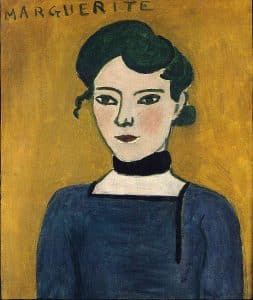
On the surface, it seemed like a friendly gesture.
But according to Gertrude Stein, the exchange carried a slightly mischievous undertone. She later suggested that each artist may have chosen a somewhat less impressive work by the other, perhaps as a subtle jab within their rivalry.
Whether playful or competitive, the moment perfectly captures their complicated relationship: admiration wrapped in rivalry. Interestingly, Picasso kept the portrait of Marguerite for the rest of his life.
3. A Rivalry Fueled by Paris Social Circles
Their rivalry extended beyond their studios and into the broader social world of modern art.
Collectors, critics, and patrons often aligned themselves with one artist or the other. Even the Stein household reflected this divide.
- Gertrude Stein supported Picasso.
- Her brother Leo Stein favored Matisse.
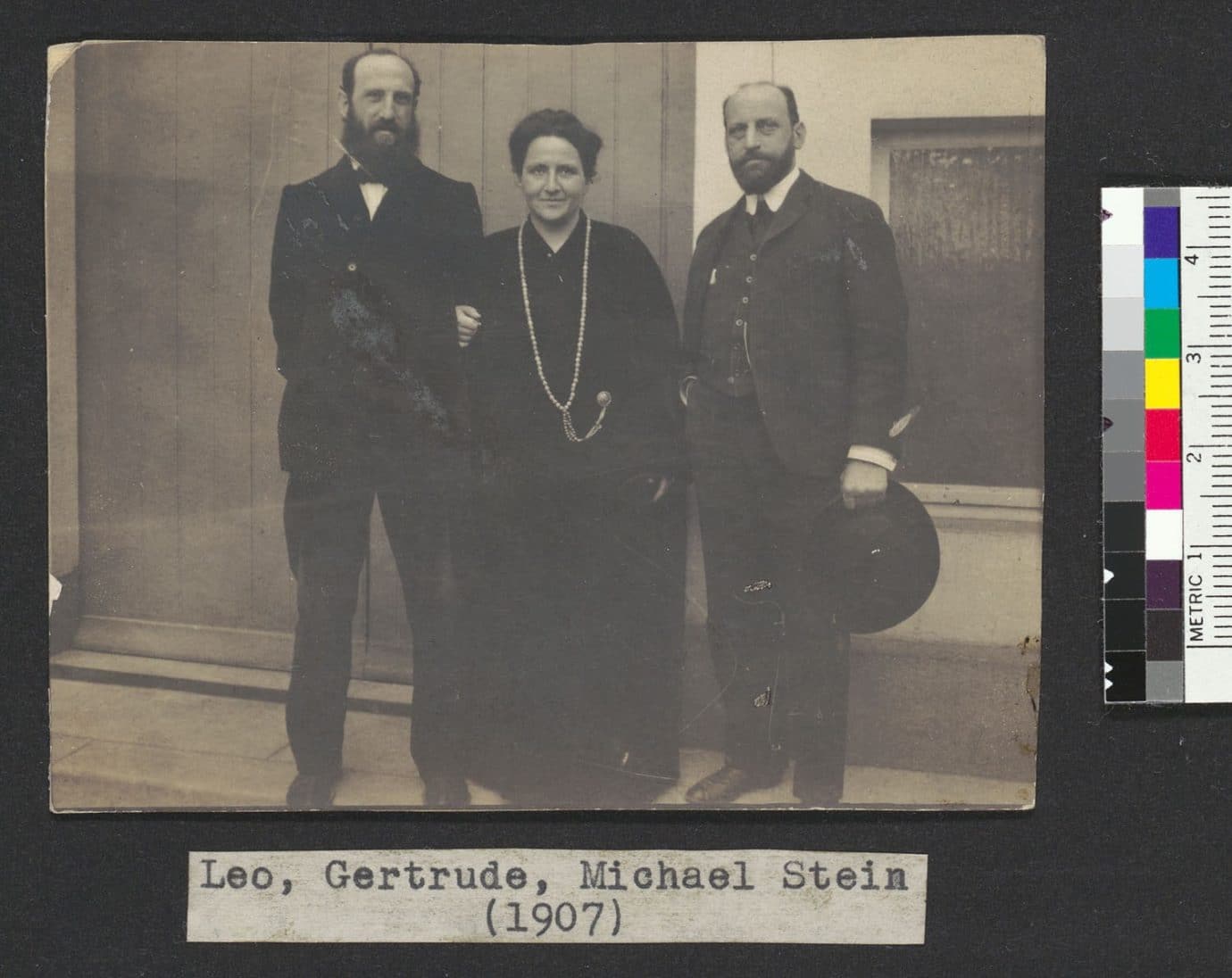
Because collectors played such a powerful role in promoting modern artists, these alliances helped shape the careers and reputations of both painters.
The rivalry therefore became something larger than two artists competing.
It became a broader debate within the Paris art world about who represented the future of modern art.
From Rivalry to Respect and a Shared Legacy
Over the years, the relationship between Picasso and Matisse gradually evolved.
The early intensity of their rivalry softened into something more reflective: mutual respect.
Each artist came to understand that the other had fundamentally shaped the trajectory of modern art. Their ongoing creative dialogue had pushed both of them toward breakthroughs that might not have happened otherwise.
Art historians now widely agree that the dynamic between Picasso and Matisse helped drive some of the most important artistic developments of the 20th century, from Fauvism to Cubism and beyond.
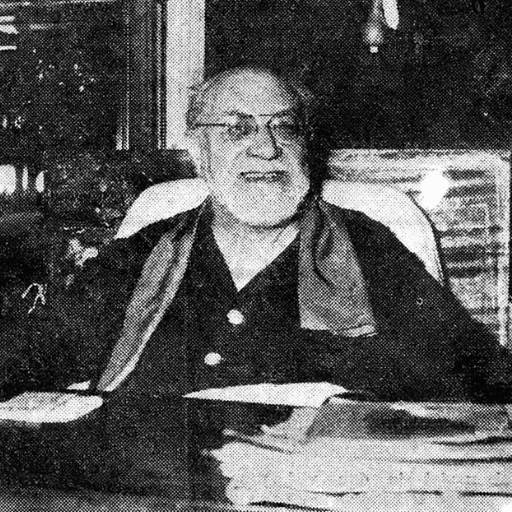
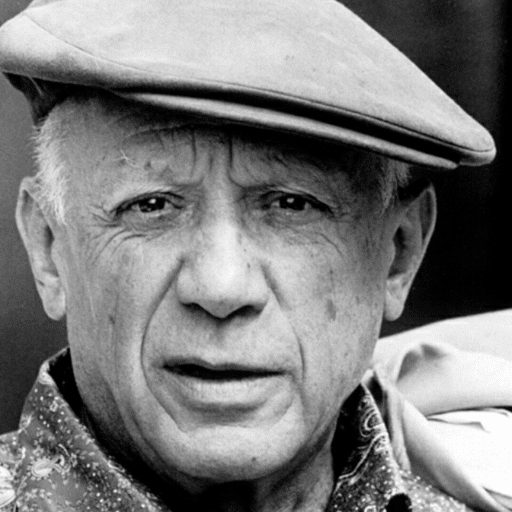
When Matisse died in 1954, Picasso reportedly reflected deeply on the loss of his longtime rival.
After decades of watching, responding, and competing with one another, Picasso had lost the one artist who had truly understood the stakes of the modern art revolution they had both helped create.
Their rivalry, in the end, had become something rare in art history:
A competition that changed the course of painting forever.
Explore the Art of Picasso & Matisse
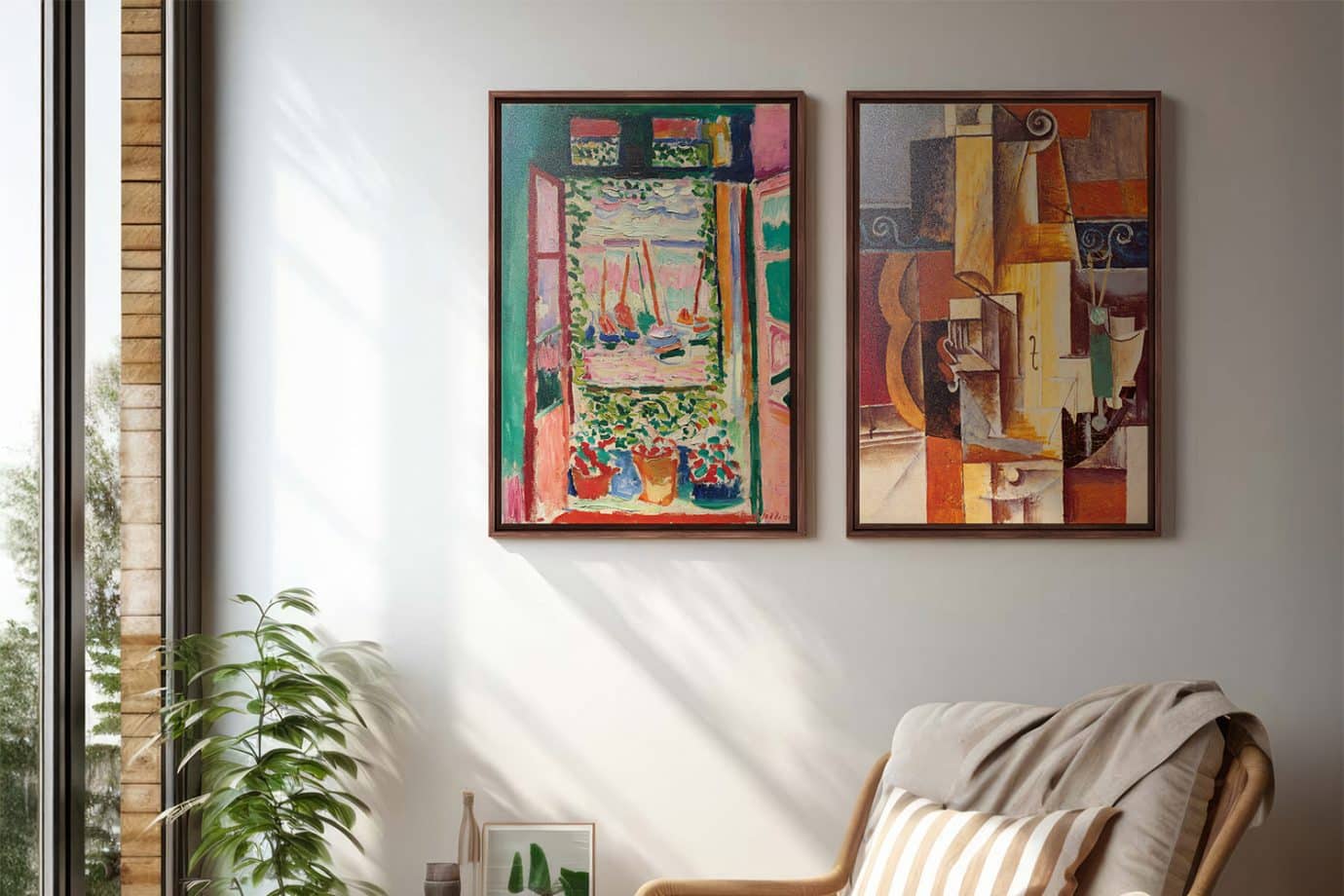
The rivalry between Pablo Picasso and Henri Matisse helped reshape modern art. Their bold experiments with color, form, and composition continue to inspire artists and collectors more than a century later.
If their creative clash sparked your curiosity, explore their work and the movements they helped define.
Discover Picasso Art
Explore prints inspired by Picasso’s groundbreaking approach to structure, abstraction, and modern form.
Browse Pablo Picasso Art →
https://www.icanvas.com/canvas-art-prints/artist/pablo-picasso
Explore Henri Matisse Art
From vibrant Fauvist color to elegant modern compositions, Matisse’s work remains one of the most celebrated expressions of modern painting.
Browse Henri Matisse Art →
https://www.icanvas.com/canvas-art-prints/artist/henri-matisse
FAQ: Picasso vs Matisse
▼View the Questions
Why were Picasso and Matisse rivals?
Pablo Picasso and Henri Matisse became rivals after meeting in Paris in 1906. Both artists were pushing modern painting in new directions, and each closely followed the other’s work. Their competition grew from artistic ambition rather than personal hostility.
Did Picasso and Matisse dislike each other?
Although they were rivals, Picasso and Matisse also respected each other deeply. They visited each other’s studios, studied each other’s paintings, and even exchanged artworks. Over time, their relationship evolved from competition to mutual admiration.
How did the Picasso–Matisse rivalry influence modern art?
The rivalry encouraged both artists to experiment and innovate. Matisse explored expressive color through Fauvism, while Picasso revolutionized form through Cubism. Their creative push-and-pull helped accelerate the development of modern art in the early 20th century.
What painting intensified the rivalry between Picasso and Matisse?
When Picasso revealed Les Demoiselles d’Avignon, the radical composition shocked many artists, including Matisse. The painting marked a major turning point in modern art and deepened the competitive tension between the two painters.
Did Picasso and Matisse influence each other’s work?
Yes. Art historians believe both artists constantly responded to each other’s innovations. By observing exhibitions, studio work, and new styles, Picasso and Matisse pushed each other toward new ideas that reshaped modern painting.