
Did the CIA Fund Abstract Expressionism? | iCanvas
Did the CIA fund Abstract Expressionism during the Cold War? For decades, this provocative rumor has circulated through art history, journalism, and popular culture. It’s a claim that immediately feels contradictory. Abstract Expressionism is typically understood as deeply personal, emotional, and resistant to ideology; art that seems incompatible with government strategy.
Yet the rumor persists for a reason.
As historians gained access to declassified intelligence documents and institutions began reassessing Cold War cultural history, a more complex picture emerged. The CIA did not commission paintings or instruct artists what to create. Instead, artists and their work were absorbed into a broader ideological framework, often without their awareness, and used to project an image of freedom abroad.
This distinction matters. The story is not about controlling art, censoring content, or manipulating individual creators. It is about leveraging freedom itself, allowing art to remain expressive and independent while using its existence as evidence of democratic openness.
TL;DR: The CIA didn’t fund Abstract Expressionist artists, but it did fund the institutions that made their work globally visible. During the Cold War, artistic freedom itself became a powerful political tool.
Table of Contents
Why Abstract Expressionism Mattered During the Cold War
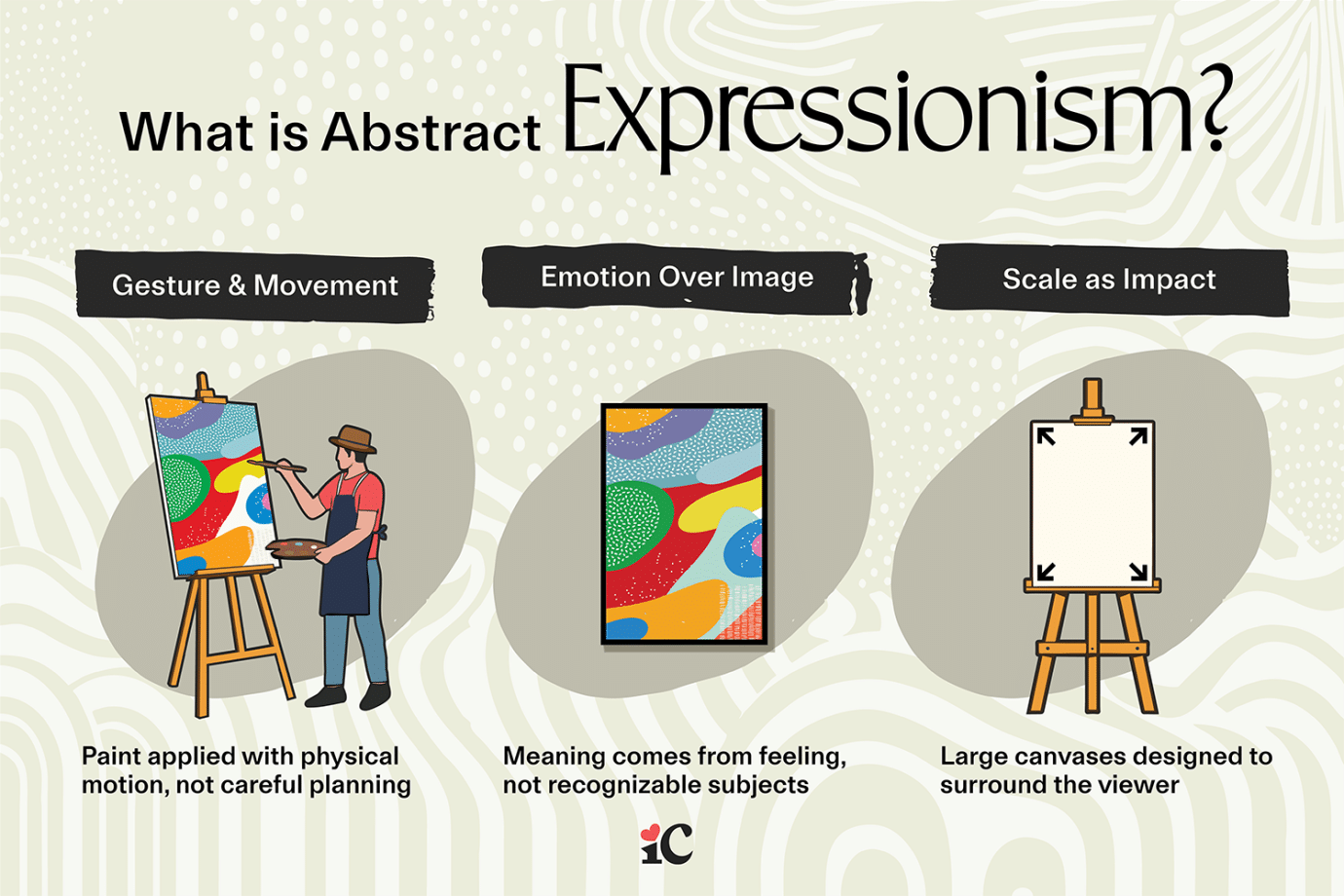
Abstract Expressionism developed in the United States during the 1940s, shaped by artists who prioritized gesture, scale, emotion, and spontaneity over representation. These painters rejected traditional composition and narrative clarity, instead embracing ambiguity and subjective experience.
From a political standpoint, this was unusual and useful.
In the Soviet Union, art was expected to serve a clear social purpose. Socialist Realism promoted legible narratives, heroic figures, and optimistic portrayals of labor, leadership, and collective progress. Art functioned as instruction. Meaning was fixed, accessible, and aligned with state ideology.
Abstract Expressionism did the opposite. It offered no obvious message, no narrative to decode, no political directive to follow. That absence became its ideological strength. As museums and critics in the United States began to frame the movement, they emphasized its spontaneity and emotional freedom as proof that such art could only exist in a society without artistic mandates.
According to Artforum, Abstract Expressionism became politically valuable precisely because it appeared unregulated – art that existed outside of state control and resisted interpretation. In Cold War terms, ambiguity itself became a statement.
This contrast allowed American abstraction to function as ideological opposition without slogans, reinforcing democratic values through form rather than content.
How the CIA’s Cultural Strategy Actually Worked
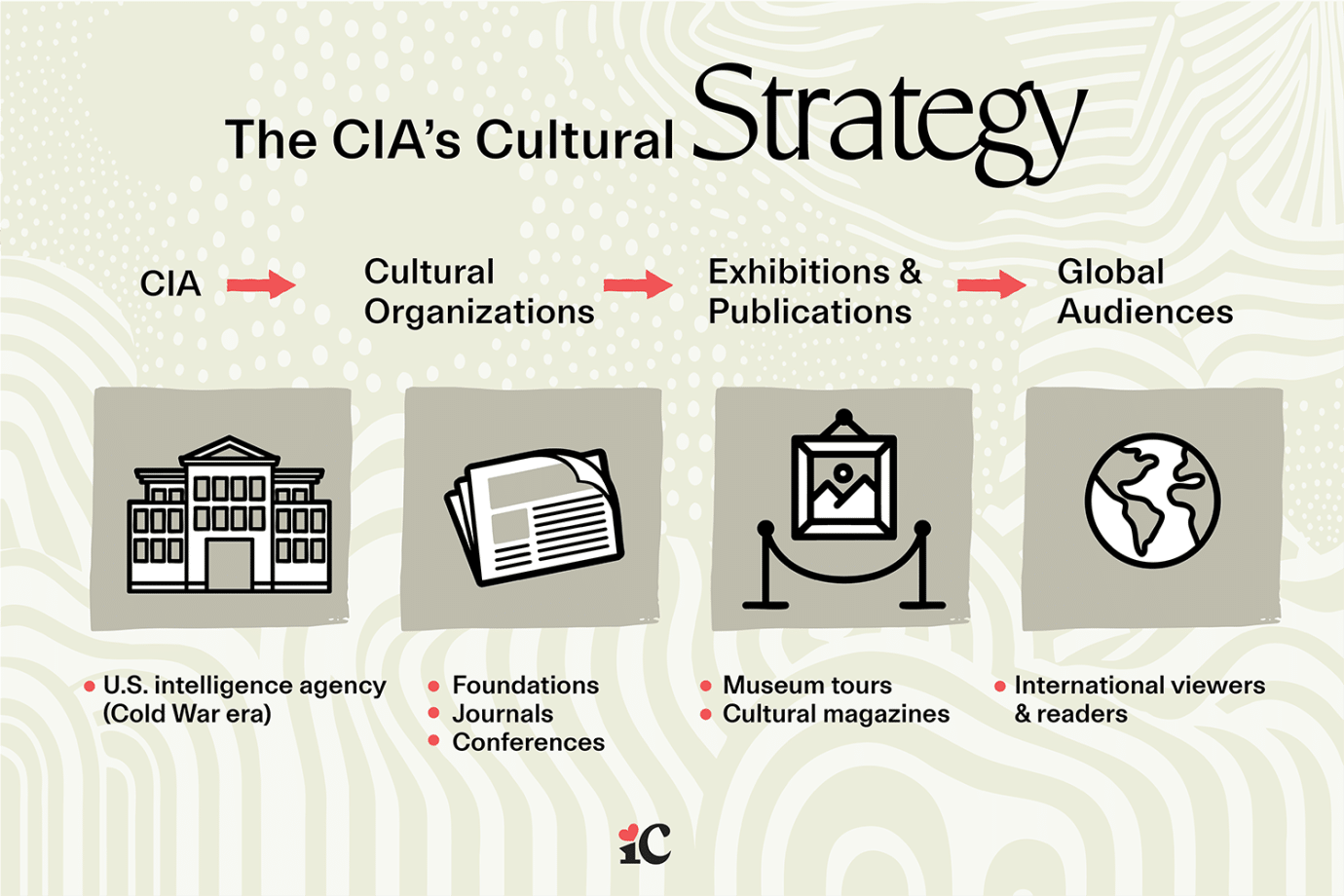
The CIA’s involvement in cultural affairs must be understood within the broader framework of the “cultural Cold War.” Rather than relying solely on military or economic power, U.S. officials sought to influence global opinion through culture: art, literature, music, and intellectual exchange.
At the center of this strategy was the Congress for Cultural Freedom (CCF), established in 1950 and covertly funded by the CIA. Publicly, the CCF presented itself as an independent organization dedicated to artistic and intellectual freedom. Privately, it served as a cultural infrastructure that supported exhibitions, publications, and events aligned with democratic ideals.
Funding flowed indirectly through:
- museums that organized international exhibitions
- publications that shaped critical discourse
- exhibitions that positioned American art as globally significant
This approach preserved the appearance of independence. Artists were not recruited, briefed, or instructed. Most were entirely unaware of the CIA’s involvement. The strategy depended on non-interference, allowing art to remain authentic while ensuring it circulated through favorable channels.
By funding institutions rather than individuals, the CIA avoided direct artistic influence while still shaping cultural visibility.
How Abstract Expressionism Spread internationally
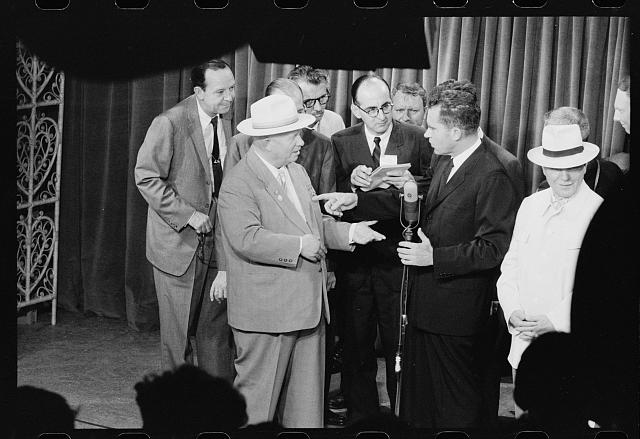
The international success of Abstract Expressionism did not happen organically or accidentally. It was facilitated through institutional support and museum-led initiatives, particularly by the Museum of Modern Art in New York.
MoMA played a pivotal role in exporting American modern art abroad, organizing touring exhibitions that introduced European audiences to large-scale abstraction. These exhibitions functioned as cultural diplomacy, positioning American art as innovative, confident, and globally relevant.
The most influential of these was The New American Painting, which toured Europe beginning in 1958. The exhibition showcased works by artists such as Jackson Pollock, Mark Rothko, and Willem de Kooning, among others.
iCanvas Art Inspired by Famous Abstract Expressionists
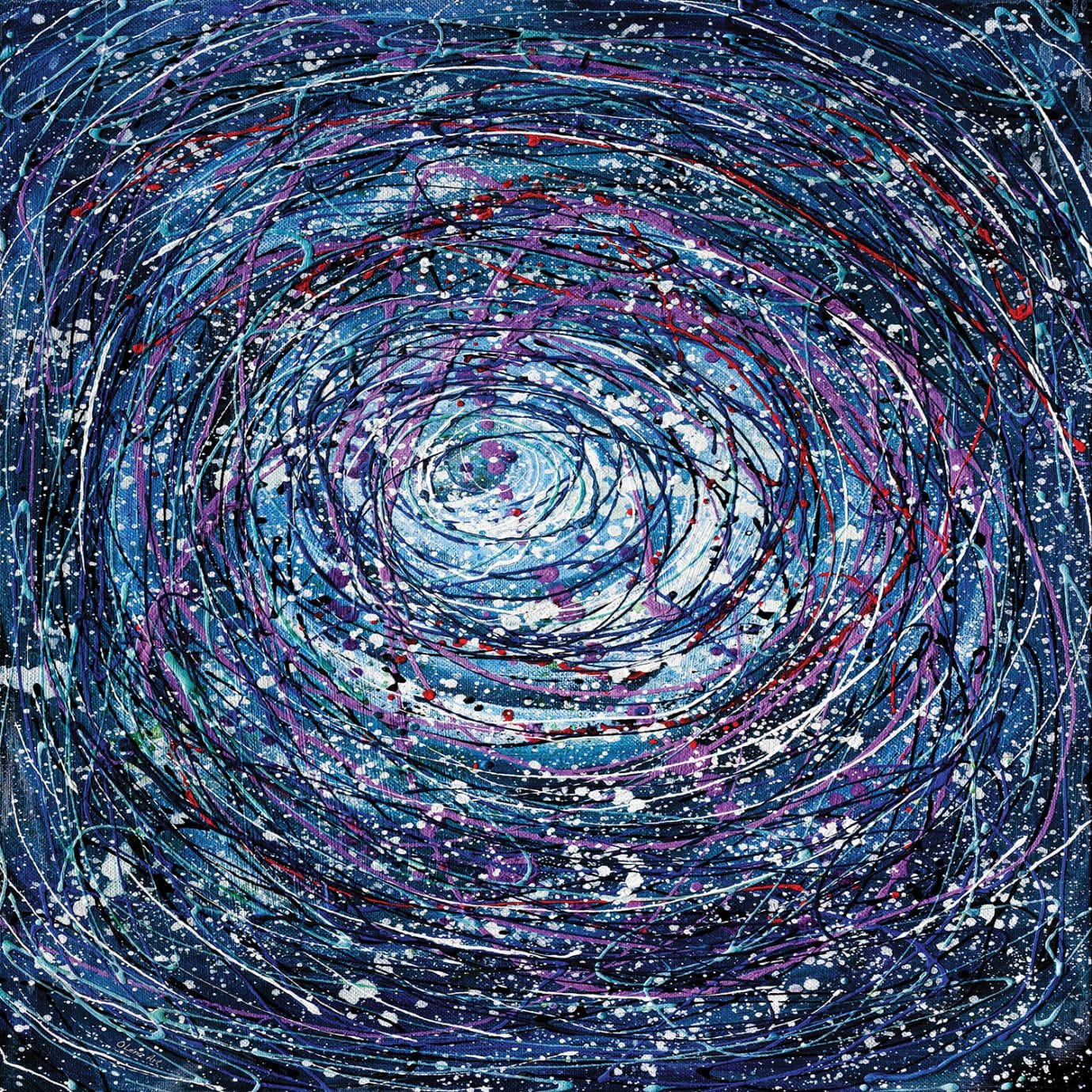
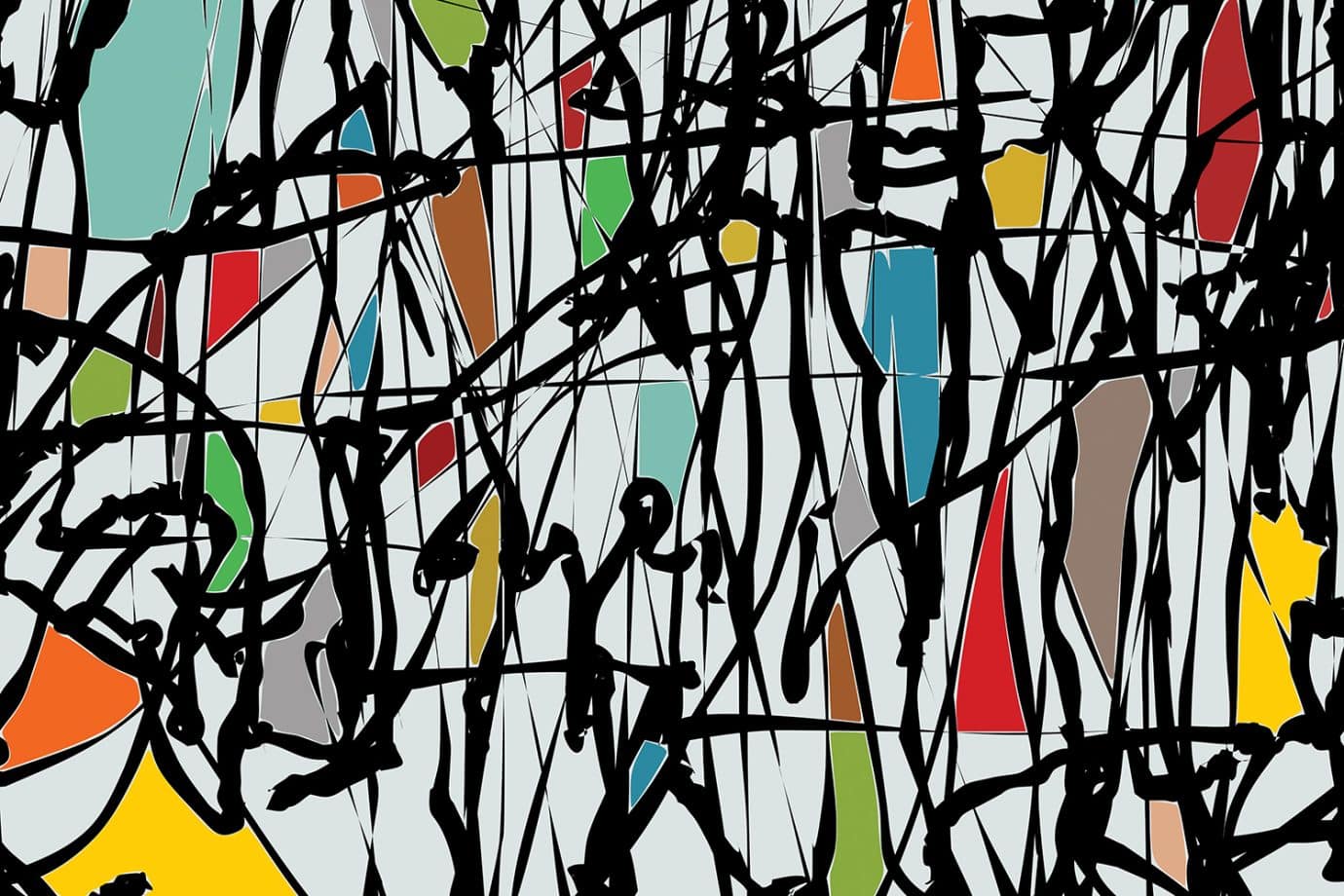
“Star Trails Circular Abstract Pollock Inspired Painting” by OLena Art
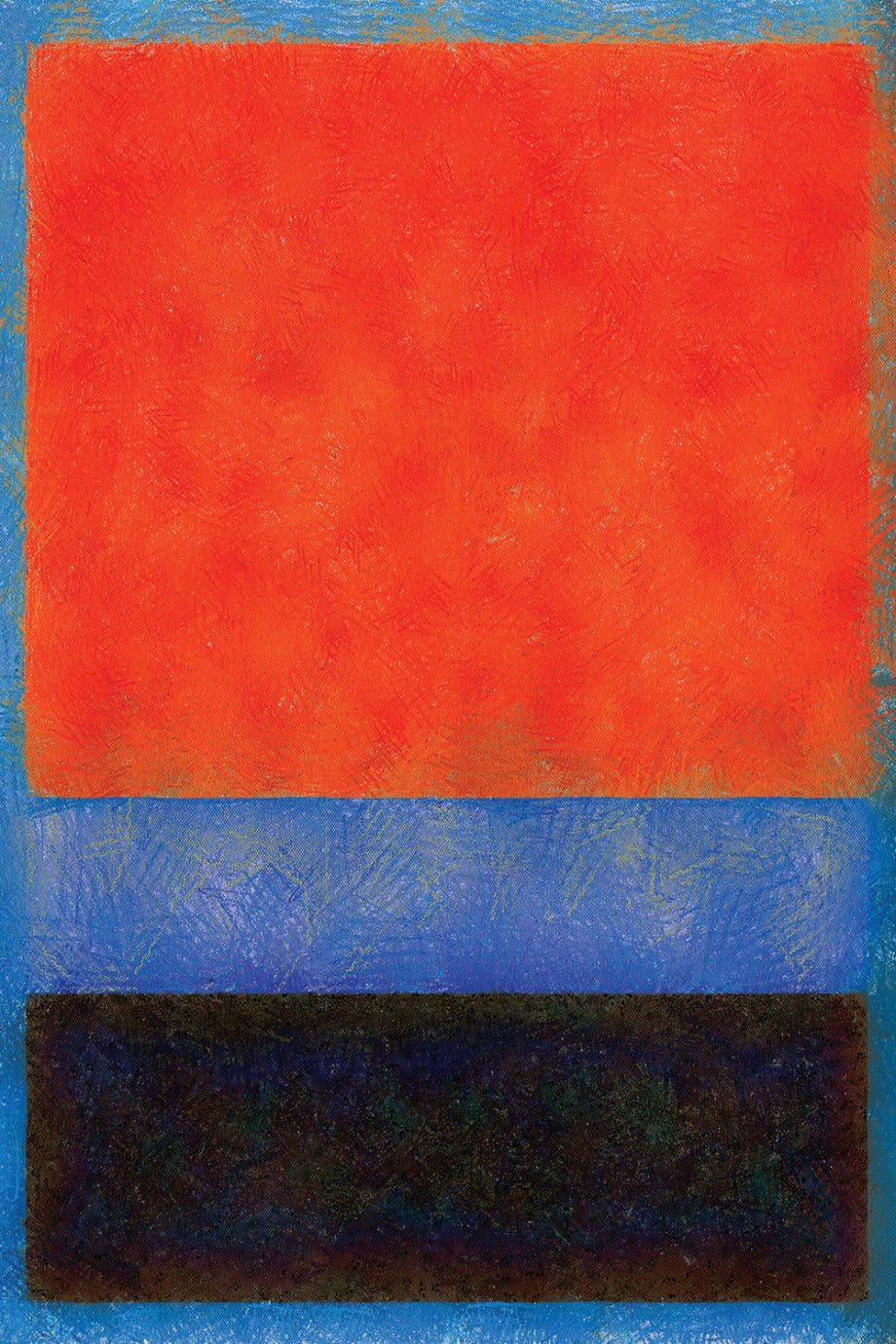
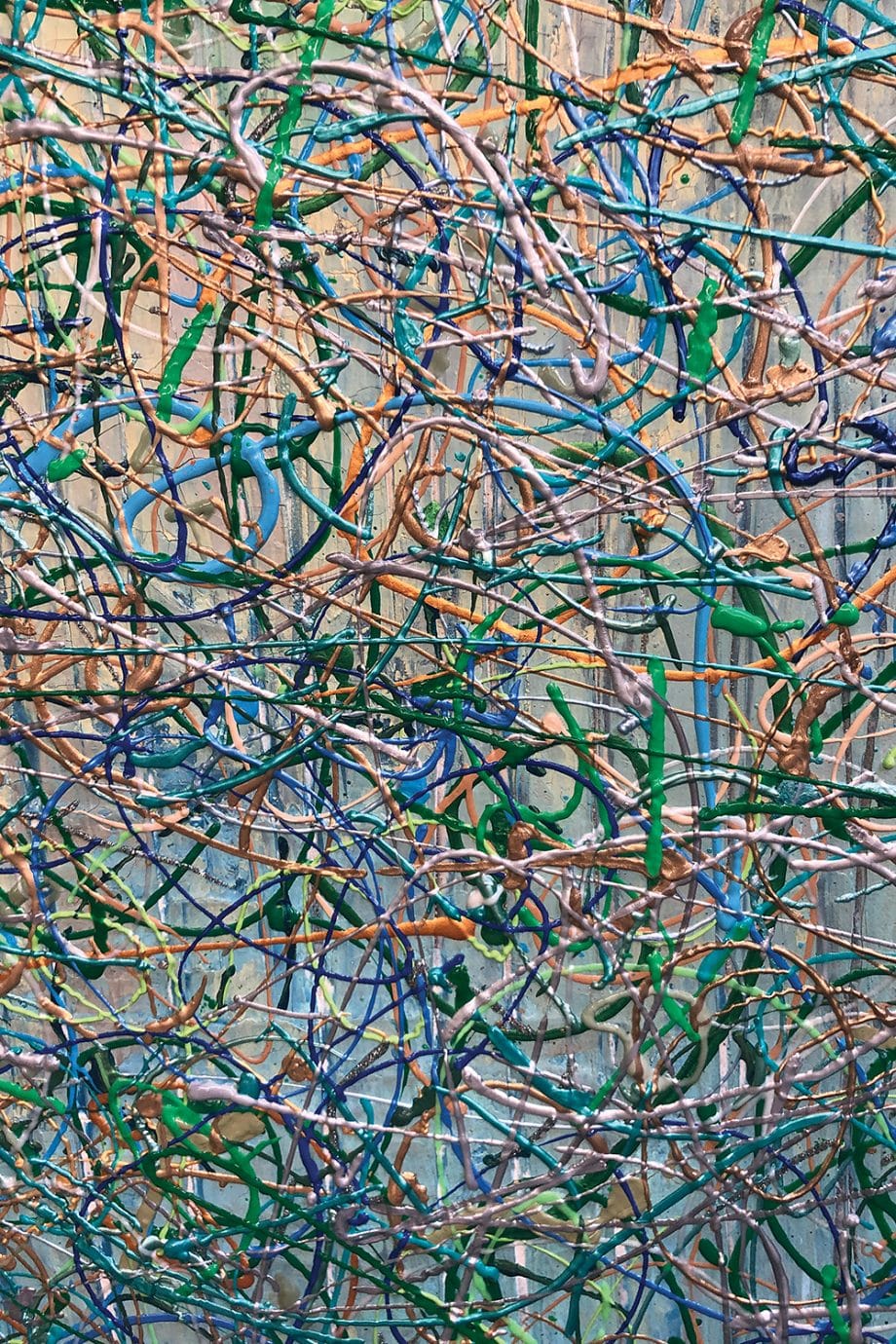
This exposure mattered profoundly. It shifted critical attention away from Paris, repositioned New York as the center of the modern art world, and established Abstract Expressionism as the dominant postwar movement. For many artists, international recognition followed museum visibility, not political intent.
Did the CIA Fund Abstract Expressionism Artists… or the Ecosystem?
This is the most frequently misunderstood aspect of the story.
The evidence overwhelmingly supports one conclusion: the CIA funded the ecosystem, not the artists themselves. There is no record of artist payrolls, commissions, or stylistic directives. Museums, journals, and cultural organizations served as intermediaries between art and ideology.
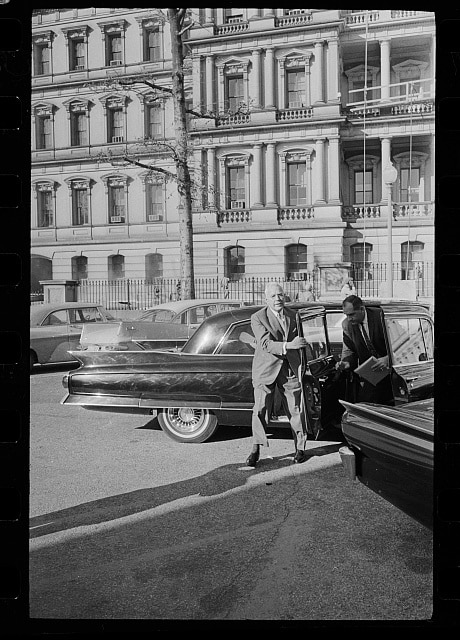
When the CIA’s involvement became public years later, many artists expressed discomfort or disbelief. They had not altered their work, but they had unknowingly benefited from an institutional system shaped by geopolitical strategy.
This distinction matters historically and ethically. It reframes the narrative from one of artistic manipulation to one of institutional power, raising questions about who controls cultural meaning and how neutrality is constructed.
When the Funding Became Public
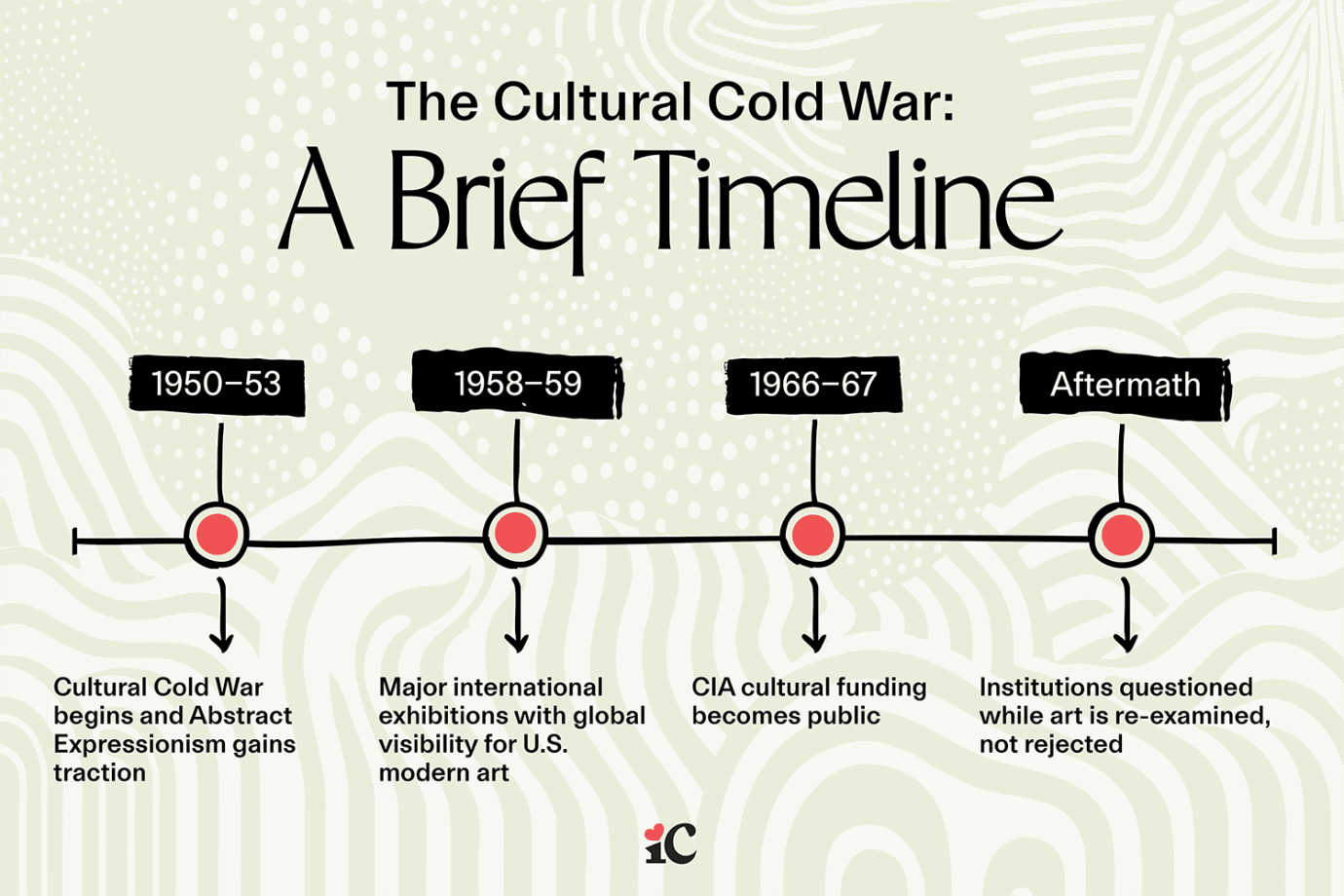
The secrecy surrounding the Congress for Cultural Freedom collapsed in the mid-1960s following investigative journalism that exposed the CIA’s role in cultural funding.
The fallout was immediate. The CCF dissolved, publications shut down, and intellectual communities reassessed their assumptions about independence and influence. Trust between artists, institutions, and the public was damaged.
Although Abstract Expressionism itself was not discredited, the revelation permanently complicated its legacy. The episode underscored the fragility of cultural neutrality and the long-term consequences of secrecy.
Soviet Art vs. American Abstraction
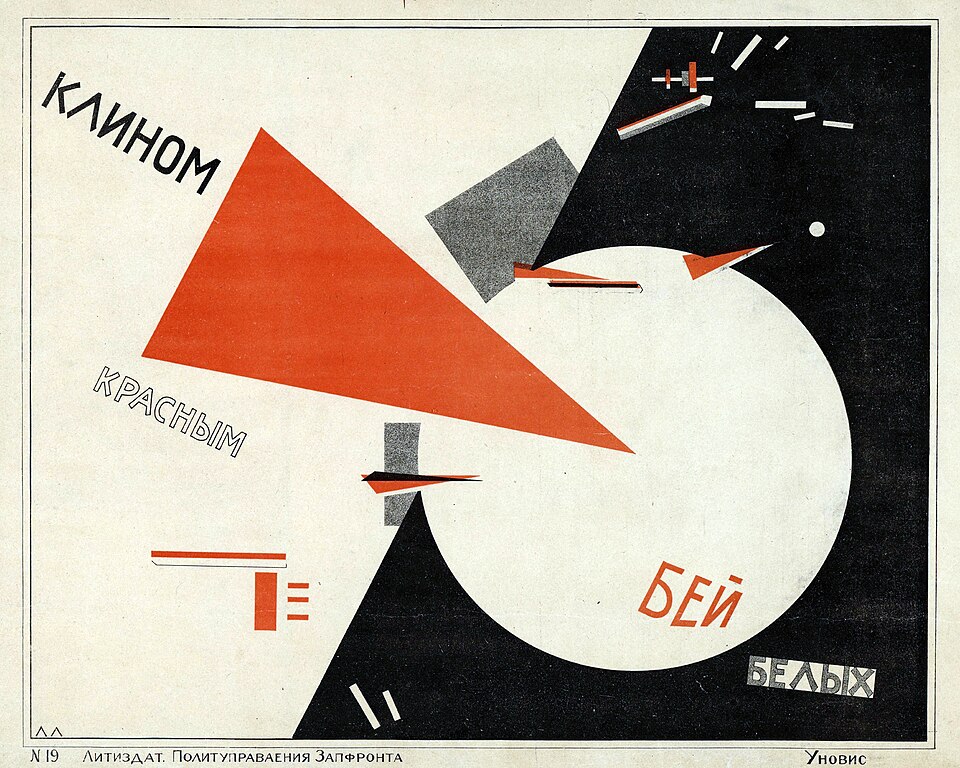
The ideological divide between Soviet art and American abstraction helps explain why Abstract Expressionism carried such symbolic weight.
Soviet Socialist Realism emphasized clarity, heroism, and state narratives. Art was expected to be legible, instructive, and aligned with political goals. Ambiguity was discouraged because it resisted ideological control.
Abstract Expressionism’s openness, its refusal to explain itself, represented a philosophical threat to authoritarian systems. Meaning was personal, unstable, and ungovernable. That quality made it difficult to weaponize directly and powerful as a symbol of freedom.
iCanvas Art Inspired by American Abstraction
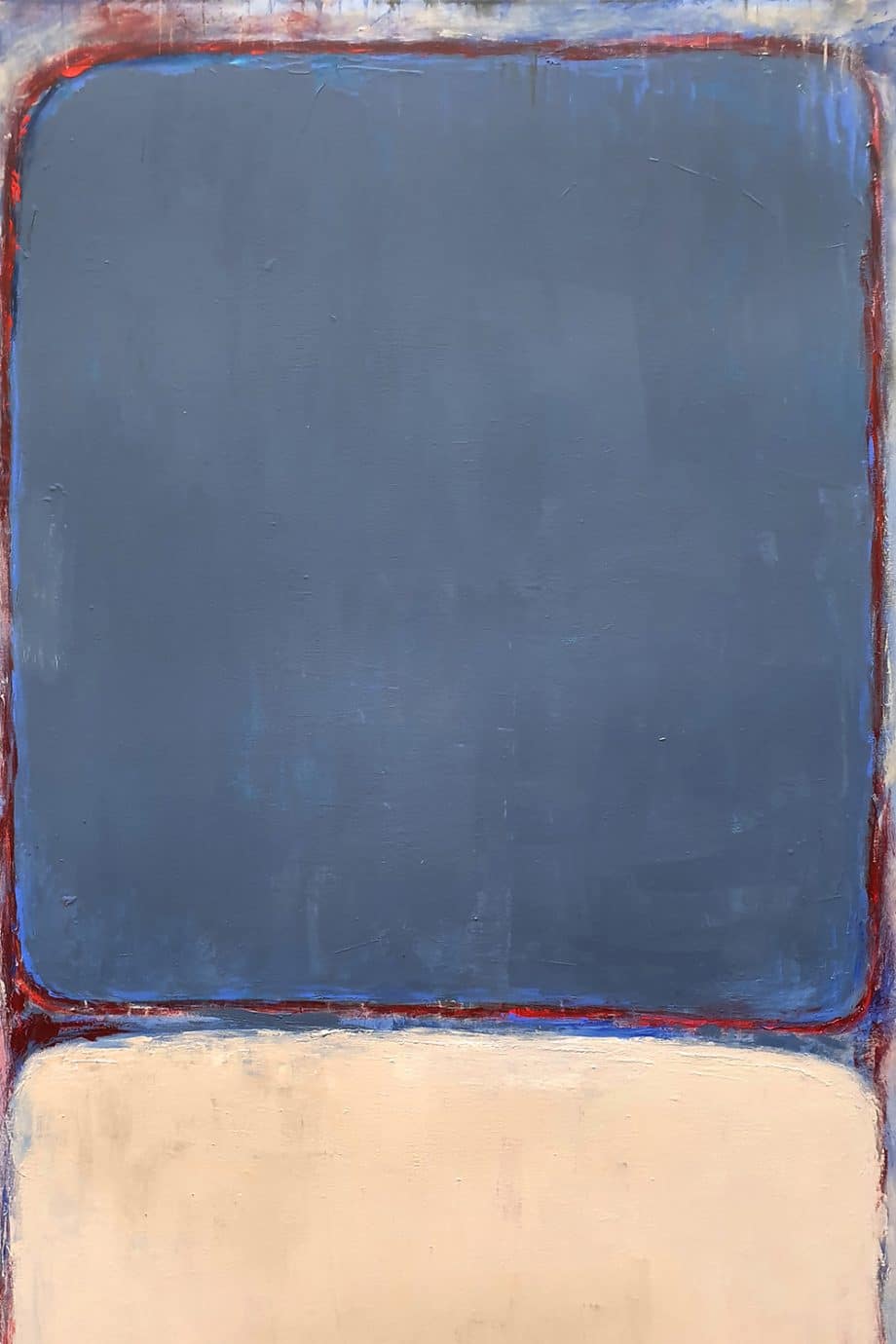

What this Means Today: Cultural Power Then and Now
The Cold War may be over, but cultural influence remains a central part of global power.
Art can be both authentic and politically useful. Governments continue to invest in cultural soft power through film, music, design, and international exhibitions. Scholars argue the lesson of Abstract Expressionism’s Cold War history is not distrust of art, but awareness of the institutions that shape visibility and interpretation.
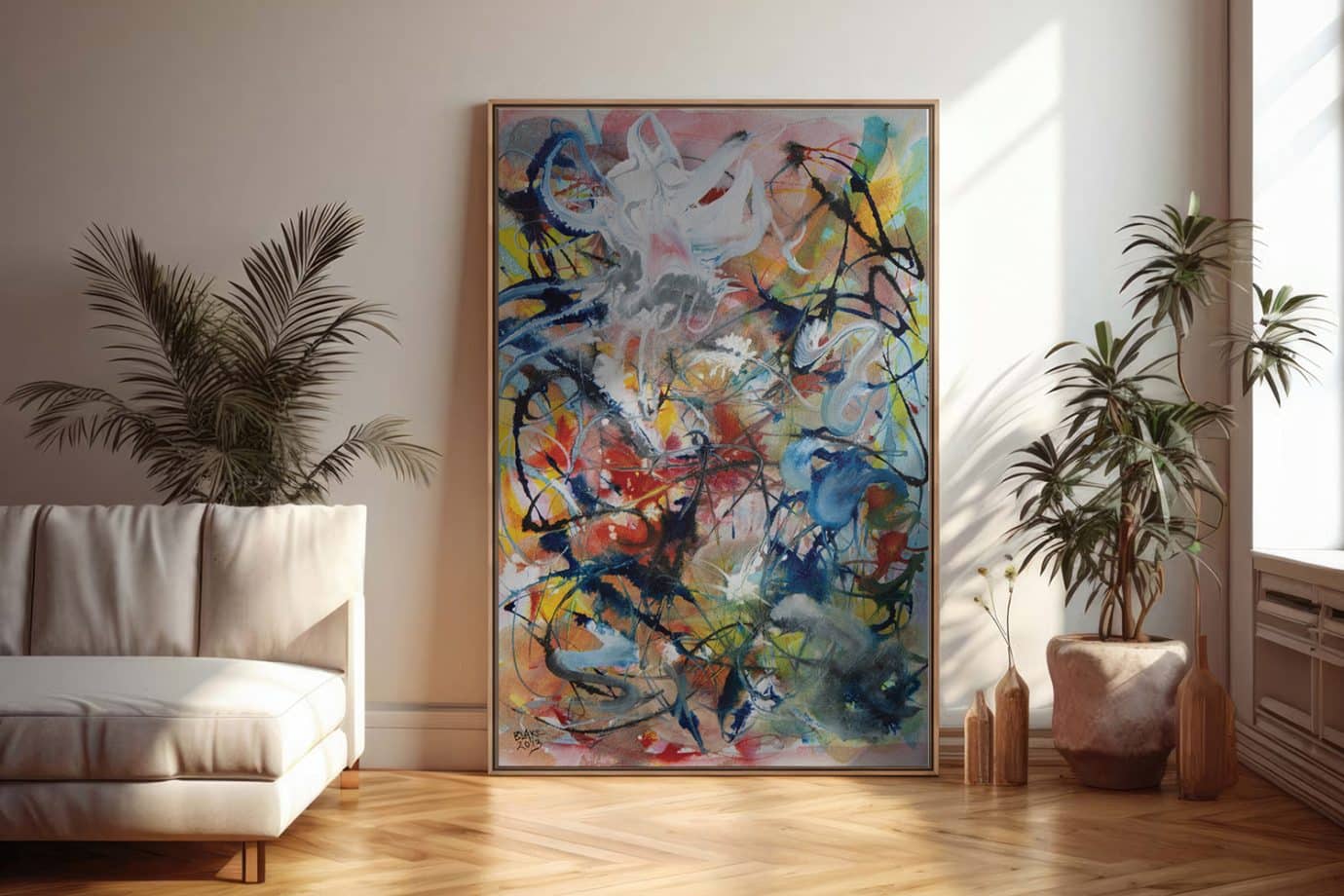
Abstract Expressionism’s emotional power endures beyond its political moment. Its history reminds us that even the most personal art can become symbolic, sometimes in ways the artist never intended.
Experience the Power of Abstract Expressionism Today
Abstract Expressionism was never about delivering a single message. Its power comes from emotion, movement, and personal interpretation; qualities that still resonate just as strongly today.
Explore contemporary abstract art inspired by this influential movement and discover pieces that invite feeling, reflection, and meaning into your space.
Explore Abstract Expressionism Art on iCanvas
Frequently Asked Questions About the CIA and Abstract Expressionism
▼View the Questions
Did the CIA fund Abstract Expressionist artists?
No. The CIA did not pay, commission, or direct individual artists. There is no evidence of artist payrolls or creative control. Funding was directed toward institutions, not creators.
Why was Abstract Expressionism important during the Cold War?
Abstract Expressionism symbolized artistic freedom, individuality, and emotional expression. Its lack of clear political messaging contrasted sharply with Soviet state-controlled art, making it a powerful symbol of democratic openness.
How did the CIA support Abstract Expressionism if not the artists?
The CIA covertly funded cultural organizations, museums, publications, and international exhibitions. By supporting the infrastructure that promoted modern art, the CIA increased global visibility without interfering in artistic production.
What role did museums play in spreading Abstract Expressionism?
Major institutions, especially the Museum of Modern Art, organized international exhibitions that introduced American abstraction to Europe. These shows helped shift the center of the art world from Paris to New York.
Does this history make Abstract Expressionism propaganda?
No. Abstract Expressionism was not created as propaganda and remained artist-driven and expressive. The CIA leveraged the existence of artistic freedom itself, not specific messages or imagery, as a cultural contrast during the Cold War.
One comment